What to Eat for Optimal Bone Healing After an Injury
22 February 2026
Breaking a bone is no joke. Whether it’s a minor fracture or a major break, your body immediately goes into repair mode. But did you know that what you eat can make or break (pun intended) your recovery time?
Your bones need the right nutrients to heal properly. Without them, you could be looking at a longer healing process, prolonged pain, or even complications. So, let’s dive into what your diet should look like when you're on the road to recovery. 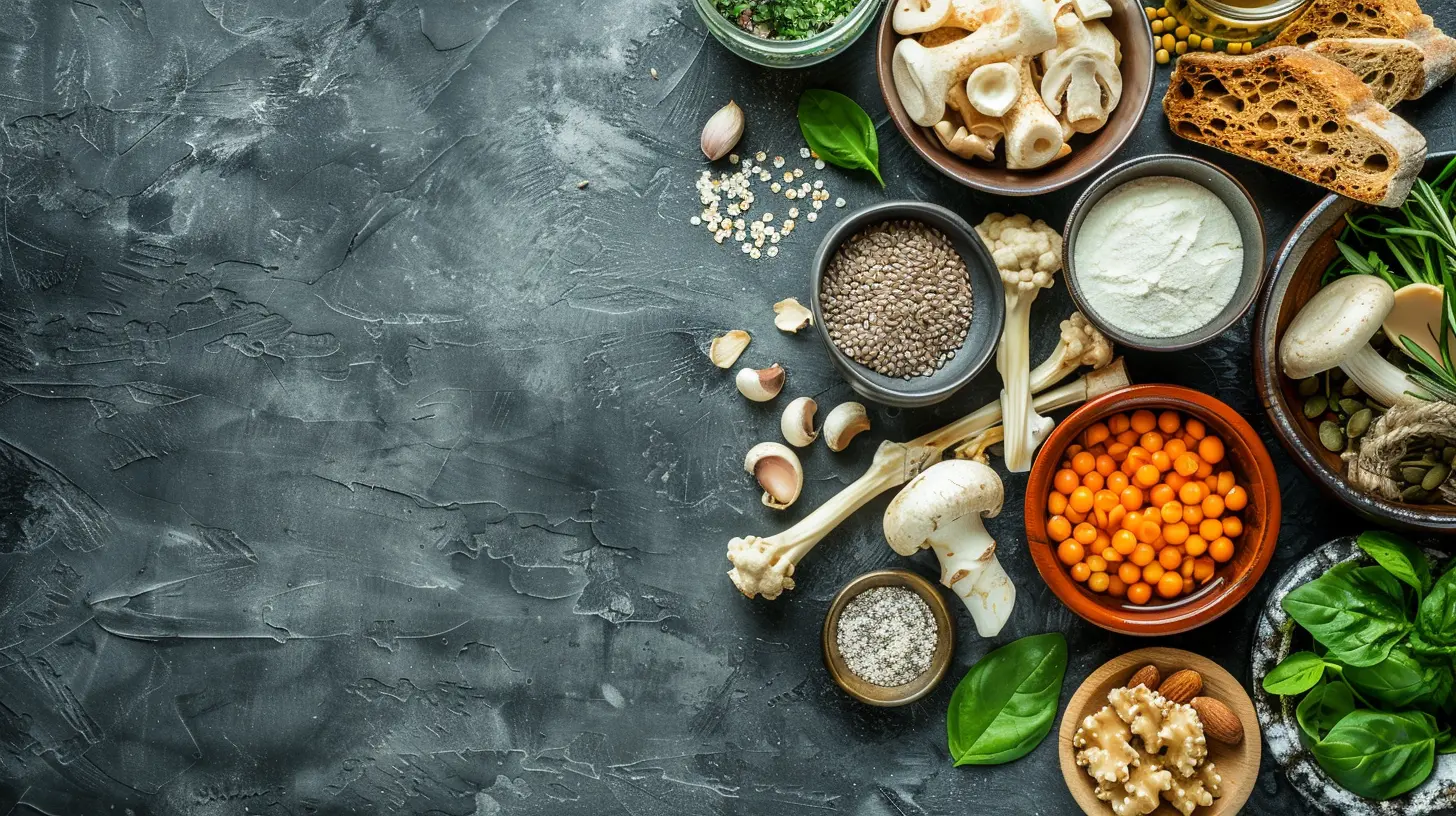
Why Nutrition Matters for Bone Healing
When you break a bone, your body starts repairing it almost immediately. The healing process has three main stages:1. Inflammation: This happens right after the injury. Your body sends white blood cells to the injured area to start the healing process.
2. Bone Production: In this stage, your body creates soft bone tissue, which later hardens into real bone.
3. Bone Remodeling: Finally, the new bone gets stronger and reshaped to fit back into its original structure.
Each of these stages relies on specific nutrients. Without the right food, your body struggles to rebuild strong, healthy bones. Let’s talk about the foods you should be packing onto your plate. 
The Best Nutrients for Bone Healing
To speed up your recovery, your diet should be rich in these key nutrients:1. Calcium – The Building Block of Bones
When people think of bone health, calcium is usually the first thing that comes to mind—and for good reason. Calcium is the primary mineral in bones, so getting enough of it is crucial.Best Sources of Calcium:
- Dairy products (milk, yogurt, cheese)- Leafy greens (kale, spinach, collard greens)
- Almonds
- Sardines and canned salmon (because of the edible bones)
- Fortified plant-based milk (almond, soy, oat)
If you don’t consume enough calcium, your body will pull it from your existing bones, which can weaken them over time. That’s the last thing you want when trying to heal!
2. Vitamin D – The Calcium Absorber
You can eat all the calcium in the world, but without vitamin D, your body won’t absorb it properly. Vitamin D acts like a key that unlocks calcium's benefits.Best Sources of Vitamin D:
- Sunlight (your skin naturally produces vitamin D when exposed to sunlight)- Fatty fish (salmon, mackerel, tuna)
- Egg yolks
- Fortified foods (milk, orange juice, cereals)
If you live in a place with little sun, consider a vitamin D supplement to ensure you’re getting enough.
3. Protein – The Tissue Repair Expert
Protein isn’t just for muscles; it’s also a key player in bone healing. Bones are made up of collagen, which is a protein-based structure, so eating enough protein ensures your bones have the right framework to regenerate properly.Best Sources of Protein:
- Chicken, turkey, and lean beef- Fish and seafood
- Eggs
- Beans, lentils, and chickpeas
- Nuts and seeds
- Greek yogurt and cottage cheese
Aim to have a protein source in every meal to support faster bone repair.
4. Vitamin C – The Collagen Booster
Vitamin C is essential for producing collagen, the protein that forms the foundation of your bones. Without enough vitamin C, your body’s ability to repair bone tissue slows down significantly.Best Sources of Vitamin C:
- Citrus fruits (oranges, lemons, limes, grapefruits)- Strawberries
- Bell peppers
- Kiwi
- Tomatoes
Try adding a splash of lemon juice to your meals or snacking on berries throughout the day.
5. Magnesium – The Bone Strengthener
Magnesium helps convert vitamin D into its active form so your body can use it properly. It also plays a crucial role in bone structure.Best Sources of Magnesium:
- Nuts and seeds (almonds, cashews, sunflower seeds)- Whole grains (brown rice, quinoa, whole wheat bread)
- Leafy greens (spinach, Swiss chard)
- Dark chocolate (yes, you read that right!)
A little square of dark chocolate can be a tasty way to boost your magnesium intake.
6. Zinc – The Bone Repair Assistant
Zinc helps with cell growth and tissue repair, making it essential for healing fractures. It also helps prevent weak bones.Best Sources of Zinc:
- Meat (beef, pork, lamb)- Shellfish (oysters, crab, shrimp)
- Pumpkin seeds
- Legumes (chickpeas, lentils, beans)
- Nuts (cashews, almonds)
Adding a handful of nuts or seeds to your diet can give your body an extra healing boost.
7. Omega-3 Fatty Acids – The Inflammation Fighters
After an injury, inflammation is a natural response, but too much of it can slow down healing. Omega-3 fatty acids help control excessive inflammation so that your body can focus on repairing the bone.Best Sources of Omega-3s:
- Fatty fish (salmon, mackerel, sardines)- Flaxseeds and chia seeds
- Walnuts
- Algal oil (plant-based omega-3 supplement)
If you’re not a fan of fish, consider taking a fish oil supplement. 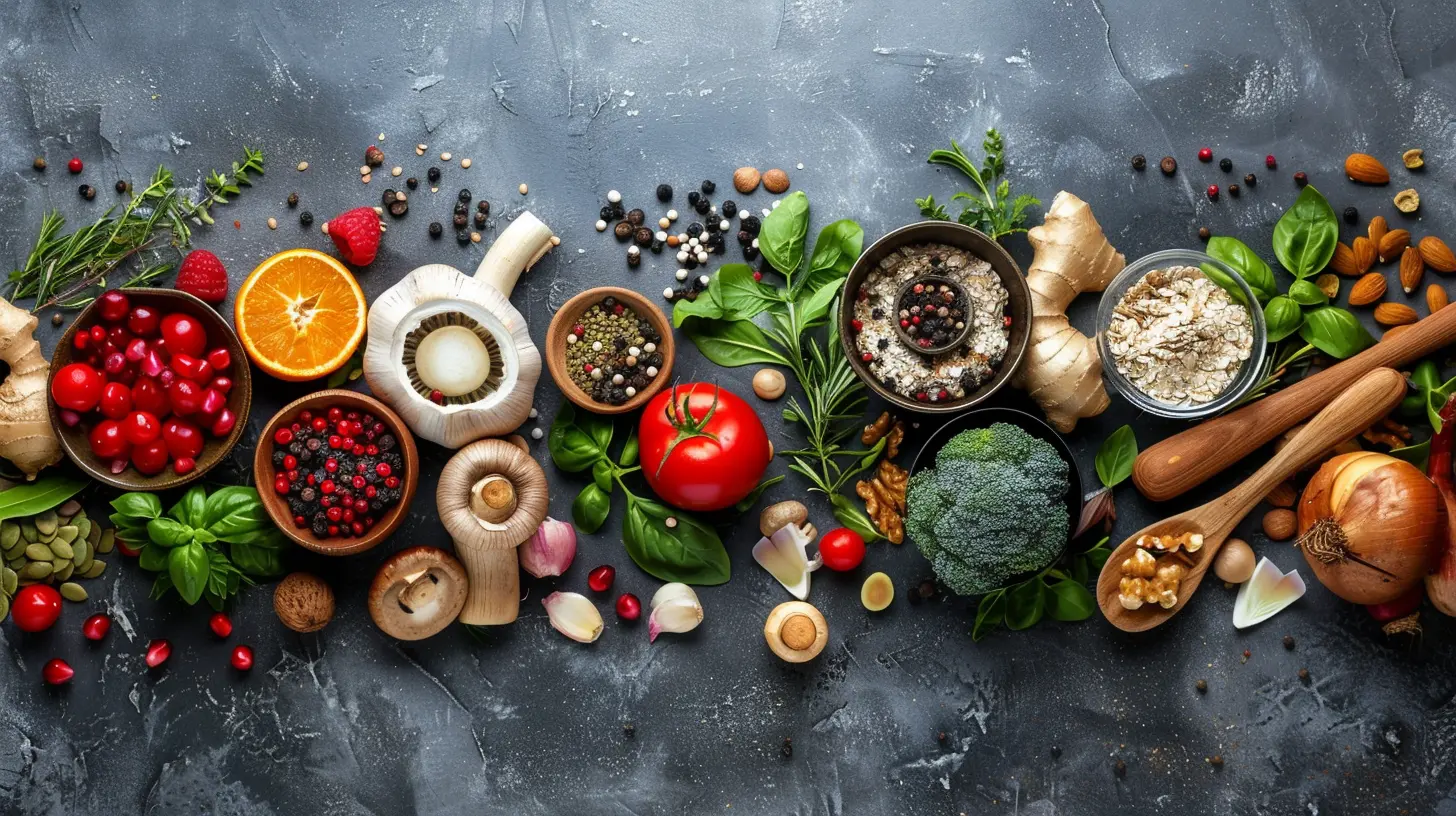
Foods to Avoid During Bone Healing
While it’s important to eat the right foods, you should also watch out for foods that might slow your recovery.1. Processed Sugars
Excessive sugar can increase inflammation and weaken bones over time. Swap out sodas and candy for natural sweeteners like fruit and honey.2. Excessive Salt
Too much salt can cause calcium loss through urine, which isn’t great when your bones need all the calcium they can get. Try using herbs and spices instead of salty seasonings.3. Alcohol
Alcohol can interfere with bone healing by weakening new bone formation. It also dehydrates your body, which isn’t ideal for any healing process. Limit your alcohol intake or avoid it altogether while recovering.4. Caffeine Overload
While caffeine in moderation isn’t harmful, too much of it can interfere with calcium absorption. Stick to one or two cups of coffee a day and balance it with calcium-rich foods.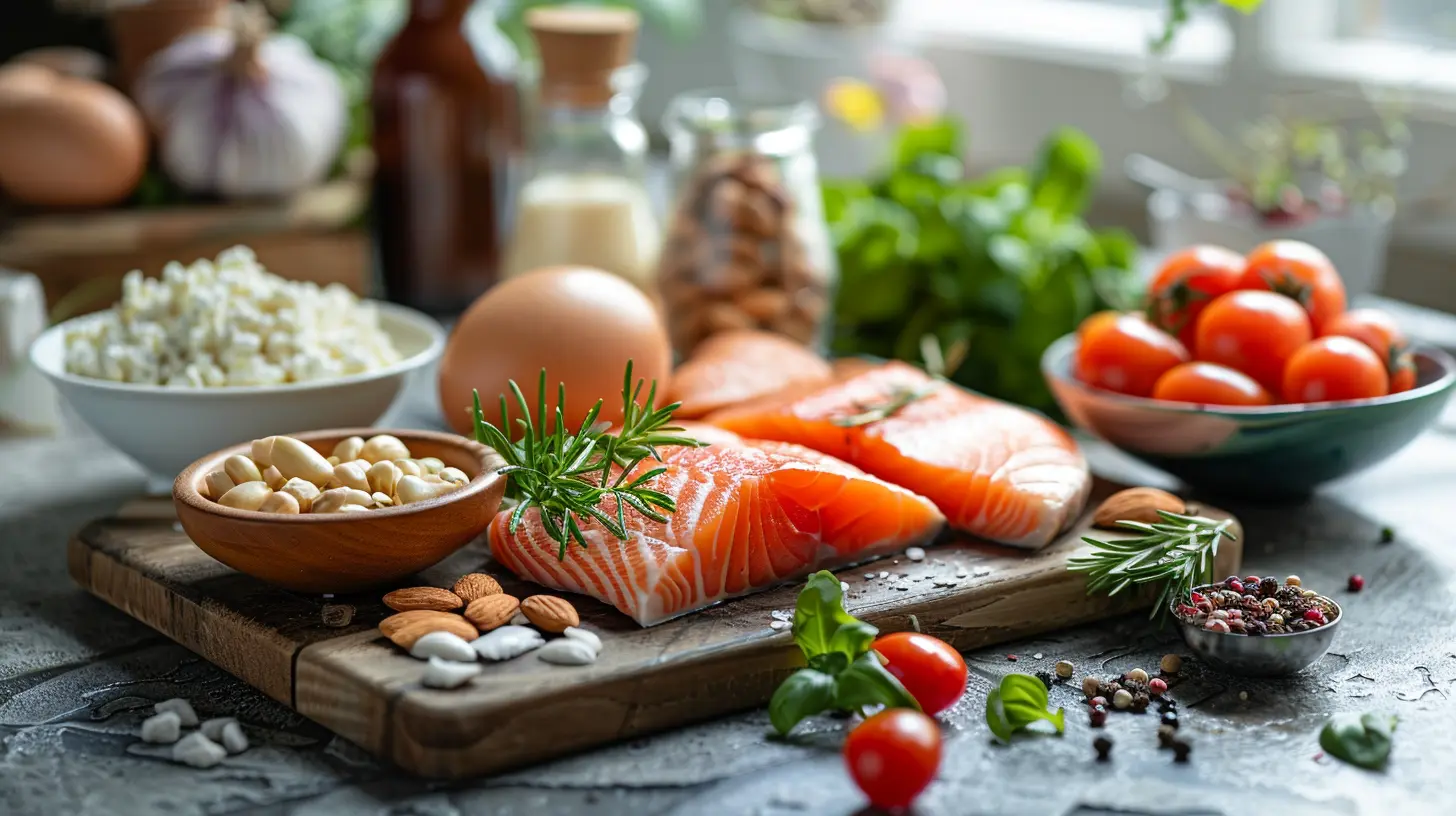
Hydration: The Overlooked Factor in Bone Healing
Water doesn’t get enough credit when it comes to bone healing. Staying hydrated is essential for transporting nutrients to your injured bone and keeping tissues flexible. Aim for at least 8-10 glasses of water daily. If plain water isn't your thing, herbal teas and infused water with lemon or berries can do the trick.Sample Meal Plan for Bone Healing
If you’re wondering how to put all of these nutrient-rich foods together, here’s a simple day’s worth of meals:Breakfast:
- Scrambled eggs with spinach and feta- A glass of fortified orange juice
- A handful of walnuts
Lunch:
- Grilled salmon with quinoa and roasted broccoli- A side of mixed greens with lemon dressing
Snack:
- Greek yogurt with strawberries and a drizzle of honeyDinner:
- Grilled chicken with sweet potatoes and steamed kale- A small square of dark chocolate for dessert
Eating well doesn’t have to be complicated. Just focus on adding more whole, nutrient-packed foods into your diet!
Final Thoughts
Healing a bone injury isn’t just about resting and waiting for time to do its thing. Giving your body the right nutrients makes all the difference. With enough calcium, protein, vitamins, and healthy fats, you can speed up the recovery process and strengthen your bones for the future.So, next time you find yourself with a fracture, think of food as your secret weapon. Eat well, heal faster, and get back to doing what you love!
all images in this post were generated using AI tools
Category:
Healthy BonesAuthor:

Laura Hudson
Discussion
rate this article
2 comments
Anna O'Neal
Great tips! Including calcium and vitamin D-rich foods can really boost recovery. Thanks for sharing this valuable information!
March 3, 2026 at 3:53 AM
Laura Hudson
Thank you! I'm glad you found the tips helpful for recovery. Your support means a lot!
Scout Butler
What surprising foods boost bone healing? I’d love to learn more!
February 25, 2026 at 5:43 AM
Laura Hudson
Some surprising foods that boost bone healing include prunes, oranges, and fatty fish like salmon. These foods are rich in nutrients like vitamin K, vitamin C, and omega-3 fatty acids, all of which support bone health.