Why Men and Women May Experience Different Blood Pressure Risks
21 April 2026
Let’s have a real talk for a moment—blood pressure isn’t something most people think about daily, right? It’s one of those numbers your doctor rattles off during a checkup while you're more focused on escaping the appointment without a flu shot. But here’s the kicker: your gender might actually play a major role in how your blood pressure behaves over time... and that’s something worth talking about.
Whether you're a guy trying to figure out why your numbers are creeping up in your thirties, or a woman hearing the term “hypertension” pop up after menopause, this stuff matters. So let’s break it all down in a conversational, easy-to-digest way. Trust me, by the end of this article, you’ll be looking at your blood pressure cuff (or your lifestyle habits) a little differently.
What Is Blood Pressure, Really?
Okay, picture this: Blood pressure is basically the force of your blood pushing against the walls of your arteries as your heart does its thing—pumping away. It’s essential for getting oxygen and nutrients around your body. But too much pressure? That’s like overfilling a balloon—it can do real damage over time.There are two numbers in a blood pressure reading:
- Systolic pressure (the top number): Pressure when your heart beats.
- Diastolic pressure (the bottom number): Pressure when your heart rests between beats.
The "normal" is considered to be around 120/80 mm Hg. But this can vary based on age, lifestyle, and yep—you guessed it—gender.
Do Men and Women Really Experience Blood Pressure Differently?
Short answer? Absolutely. But let’s unpack what that means.For years, doctors treated high blood pressure like a one-size-fits-all issue. But newer research paints a different picture. Men and women don’t just have different heart rates or hormone levels. They actually experience risks, symptoms, and outcomes of high blood pressure quite differently. This isn't just an interesting side note—it's a vital piece of the puzzle when it comes to prevention and treatment.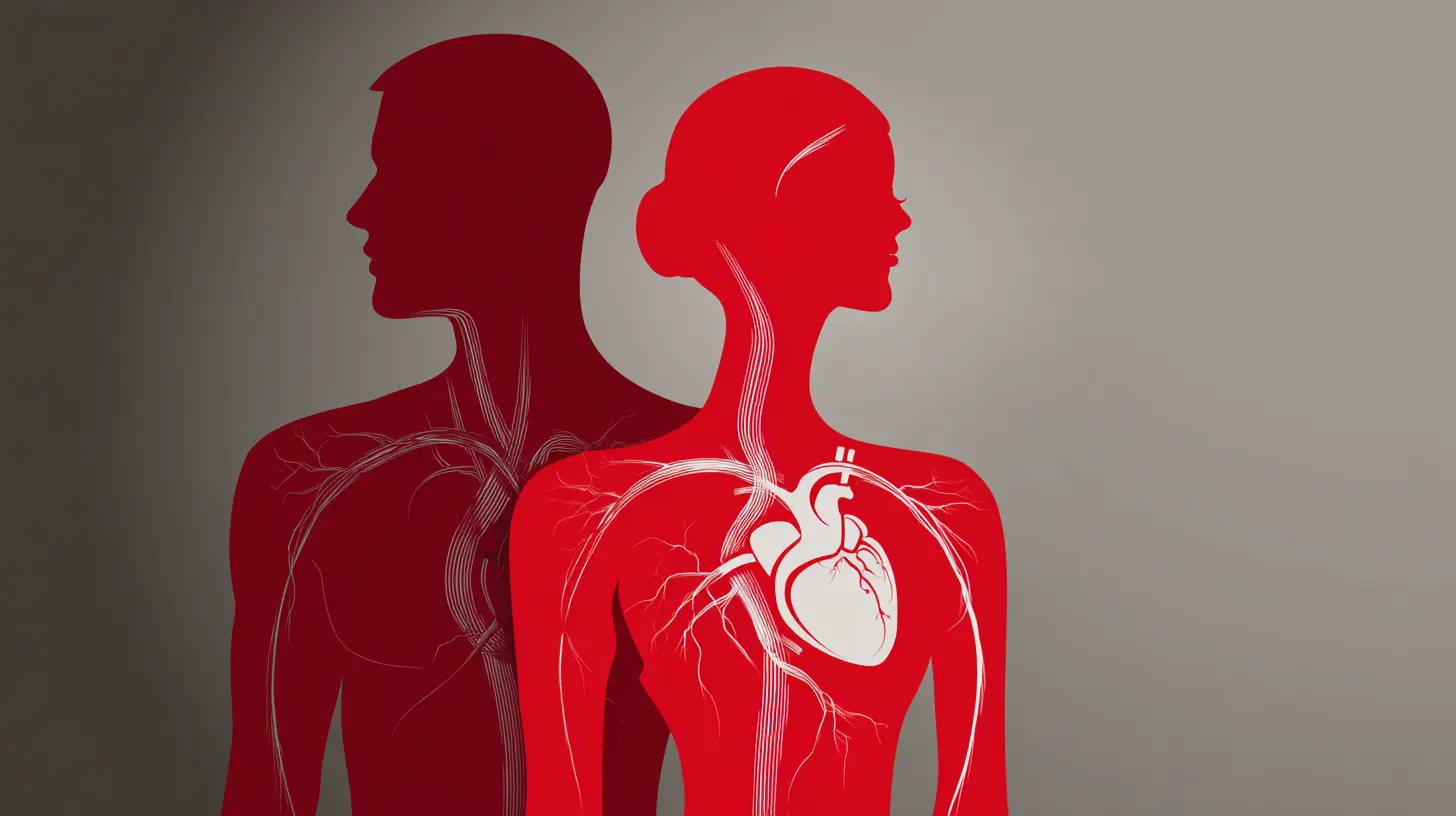
The Role of Hormones: Estrogen vs Testosterone
Ah, hormones. The chemical messengers of the body. They play a massive role in blood pressure regulation—and they're different in men and women.Estrogen's Protective Shield (Until It Disappears)
In premenopausal women, estrogen helps keep blood vessels flexible and elastic. It’s like a natural blood pressure buffer. That’s one reason why younger women tend to have lower blood pressure than men of the same age.But here’s the deal: Once menopause hits, estrogen levels plummet. The protective shield weakens, and suddenly, elevated blood pressure becomes way more common in older women. In fact, women over 65 are more likely to have hypertension than men in the same age group.
Testosterone’s Double-Edged Sword
Testosterone, on the other hand, has a more complicated role. While it contributes to muscle mass and other masculine traits, it may also be linked to higher blood pressure earlier in life. Men typically start dealing with high blood pressure in their 30s or 40s—much earlier than women.
Different Symptoms = Different Experiences
Here’s where things get even trickier. High blood pressure is often called the "silent killer" because it creeps up without obvious symptoms. But when symptoms do pop up, they can look very different in men and women.Men Might Notice:
- Headaches- Blurred vision
- Chest pain
- Nosebleeds (in some cases)
Women Might Experience:
- Fatigue- Nausea
- Anxiety or panic-like feelings
- Shortness of breath
See the difference? Women may not even connect these symptoms to blood pressure until something serious happens. It’s often written off as stress or just feeling "off". That leads to late diagnosis and a higher risk of complications like stroke or heart failure.
Lifestyle Choices: Gender Habits Affect Blood Pressure
Let’s be honest—many of us don’t always make the best lifestyle choices. But the choices we do make (and the way society shapes them) can impact the risk of hypertension differently between men and women.Men Tend to:
- Drink more alcohol- Smoke more often
- Have diets higher in red meat and sodium
- Be less likely to visit a doctor regularly
Women Are More Likely To:
- Eat more fruits and vegetables- Get more regular checkups
- Experience hormonal fluctuations like pregnancy and menopause
- Be more affected by stress, often juggling family responsibilities and work
The truth is, our behaviors and pressures shape our health. That’s why prevention strategies should be customized by gender—not just lumped into one generic health plan.
Different Responses to Medications
Here's a crazy fact: Most medications were originally tested on men, not women. Why? Because women’s hormone cycles were considered “too complicated” for early clinical trials. (Yeah… ouch.)The result? Some blood pressure medications may work very differently in women than in men, especially after menopause.
For example:
- ACE inhibitors and ARBs may be less effective in women.- Diuretics and calcium channel blockers often work better for older women than men.
- Beta-blockers may cause more side effects in women, like fatigue or cold hands.
It’s not just about dosage—it’s about how our bodies metabolize drugs. Knowing this can empower you (and your doctor) to choose a treatment plan that respects your biology.
The Pregnancy Factor (Ladies, Listen Up)
Pregnancy is a game-changer when it comes to blood pressure. Conditions like preeclampsia and gestational hypertension affect only women, obviously, but their impact can last long after delivery.Many women don’t realize that having high blood pressure during pregnancy increases the risk of chronic hypertension later in life. That’s like a red flag waving years before bigger issues show up. Yet, postpartum follow-ups often miss the chance to tackle long-term heart health.
Age and Blood Pressure: A Gender Shift
Remember how we said men tend to have higher blood pressure earlier, and women catch up later? Here’s how that timeline often looks:| Age Group | Likely Higher BP In… |
|----------------|----------------------|
| 20s - 40s | Men |
| 50s - 60s | Neck and neck |
| 65+ | Women |
The shift is tied closely to hormonal changes, lifestyle adjustments, and even changes in blood vessel structure that happen with age.
Stress and Mental Load – The Silent Triggers
Stress isn’t just mental—it’s physical too. Chronic stress triggers the release of cortisol, which narrows arteries and spikes blood pressure. And guess what? Women tend to carry more emotional labor—juggling kids, work, social obligations—all of which builds up into a simmering pot of tension. Over time, that takes a toll on the heart and vessels.Men aren't necessarily less stressed, but they may process and react to stress differently—sometimes turning to riskier behaviors like alcohol or aggression, which can also raise blood pressure over time.
Cultural and Social Factors Add Another Layer
It’s impossible to talk about health without acknowledging the impact of culture, race, and socioeconomic status. For instance, Black women in the U.S. face significantly higher risks of hypertension, often because of a complex blend of genetic predisposition, environmental stress, lack of access to care, and systemic inequities.Men in certain cultures may avoid seeking care due to stigmas around vulnerability or weakness. That means blood pressure issues can go unchecked for years until something more serious forces intervention.
What You Can Do—Tailored Prevention Tips
So now you know the “why” behind gender differences in blood pressure. Let’s talk about the “what now?”For Men:
- Start young – Keep tabs on your BP in your 30s and 40s.- Watch the salt and booze – You don’t need to give up burgers or beer, but moderation is key.
- De-stress without self-destruction – Try exercise or mindfulness instead of reaching for a drink when life gets heavy.
- Go to the doctor – No, seriously. Just go.
For Women:
- Track changes post-menopause – Blood pressure might sneak up on you.- Monitor during and after pregnancy – Keep an eye on your numbers even after baby arrives.
- Ask about meds – If something doesn’t feel right, say something. Your body isn’t a textbook.
- Don’t ignore fatigue – It's not just “mom tired.” It could be a sign of something deeper.
The Bottom Line
Here’s the takeaway: Blood pressure is not just a number—and it’s not the same for everyone. Men and women experience it differently due to hormones, lifestyle, and even how medications work in the body.Understanding these gender-specific risks gives you a better shot at staying ahead of the curve. When it comes to heart health, knowledge isn’t just power—it’s protection.
So next time you're at the doctor’s office, don’t just nod and go through the motions. Ask questions. Share concerns. And remember—your story, your body, and your risks are completely unique.
all images in this post were generated using AI tools
Category:
Blood PressureAuthor:

Laura Hudson
Discussion
rate this article
2 comments
Destiny Bennett
Insightful article on gender differences in blood pressure!
April 25, 2026 at 4:37 PM
Laura Hudson
Thanks for your feedback! I'm glad you found it insightful.
Mercy Hayes
Turns out, men and women face different blood pressure villains! It’s like a superhero movie where estrogen and testosterone battle it out. Just remember, whether you're fighting high blood pressure or flying to the fridge, balance is key!
April 25, 2026 at 4:03 AM
Laura Hudson
Great analogy! It really highlights how hormones influence health. Balance truly is essential for everyone.