Why Protein is Important for Bone Strength
31 July 2026
When we talk about strong bones, the first thing that probably pops into your mind is calcium. And you’re not wrong! Calcium does play a crucial role in bone health. But did you know that protein is just as important? Yep, that’s right! Your bones need protein just as much as your muscles do.
If you’ve been underestimating protein's role in bone strength, don’t worry—you’re not alone. Let’s dive deep into why protein is essential for your bones, how much you need, and where you can get it.
? Protein: The Unsung Hero of Bone Strength
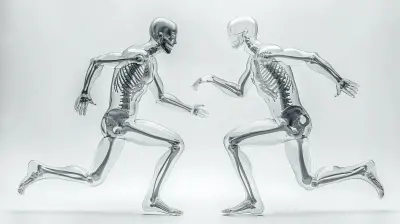
When it comes to bone health, most people focus on minerals like calcium and vitamin D. While they’re absolutely crucial, bones are actually made up of about 50% protein by volume. In simple terms, protein provides the framework that holds calcium and other minerals in place. Imagine building a house—protein is like the wooden framework, and calcium is the concrete that gives it strength. Without the structure, the whole thing falls apart!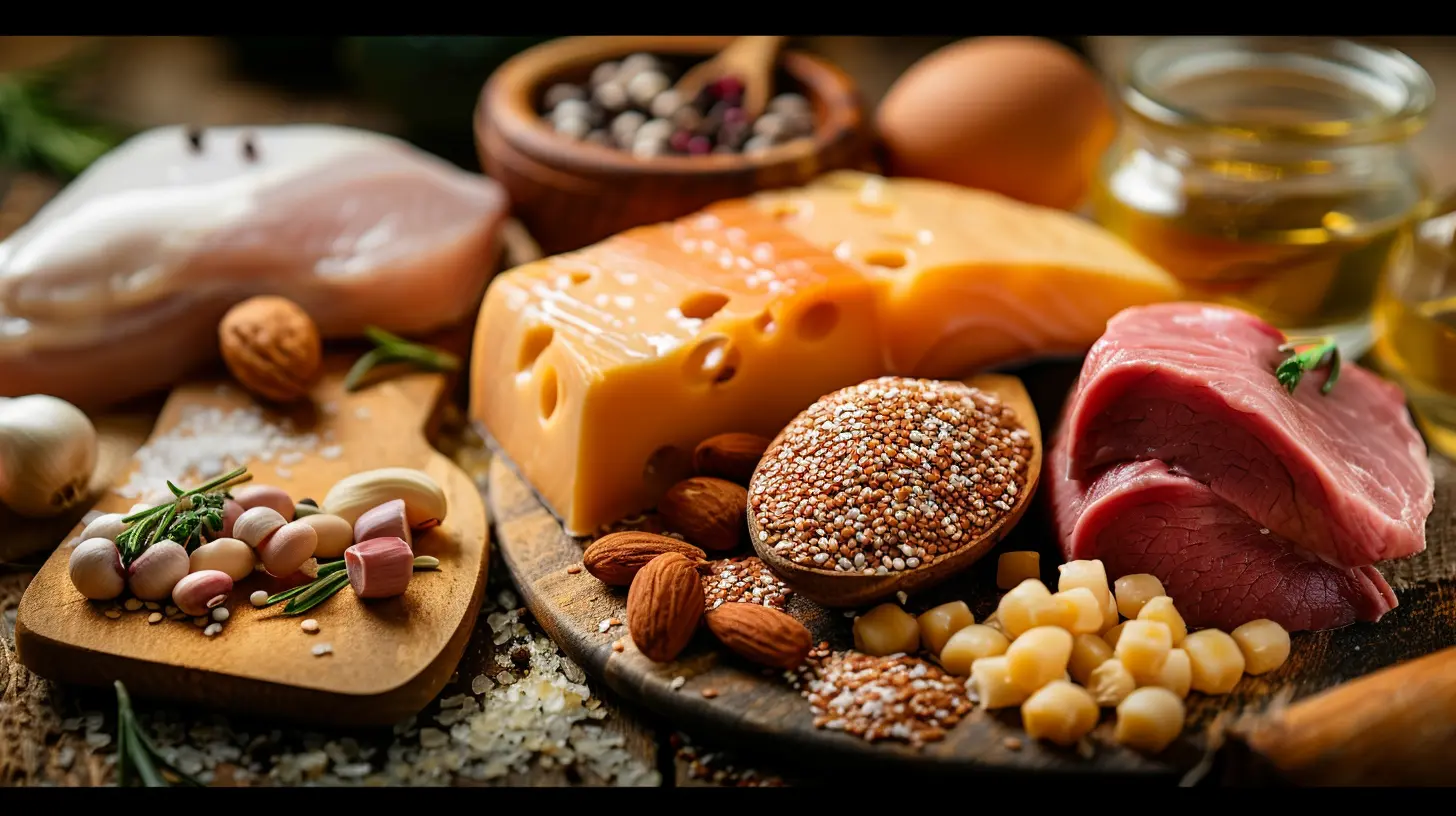
? The Science Behind Protein and Bone Strength
Let’s break it down:1. Collagen & Bone Flexibility – Your bones aren’t just rigid sticks inside your body; they need some flexibility, too. Protein helps produce collagen, which keeps bones from being too brittle and prone to fractures.
2. Calcium Absorption & Retention – Protein plays a key role in how well your body absorbs and retains calcium. If you don’t get enough protein, your bones might not be able to use all that calcium effectively.
3. Muscle and Bone Connection – Strong muscles help protect and support your bones. Since muscle tissue relies on protein, a good protein intake also means stronger muscles, reducing the risk of falls and fractures.
4. Bone Remodeling & Repair – Your bones are constantly breaking down and rebuilding (this process is called bone remodeling). Protein helps with bone formation and repair, keeping them strong throughout your life.
?️♂️ How Much Protein Do You Really Need?
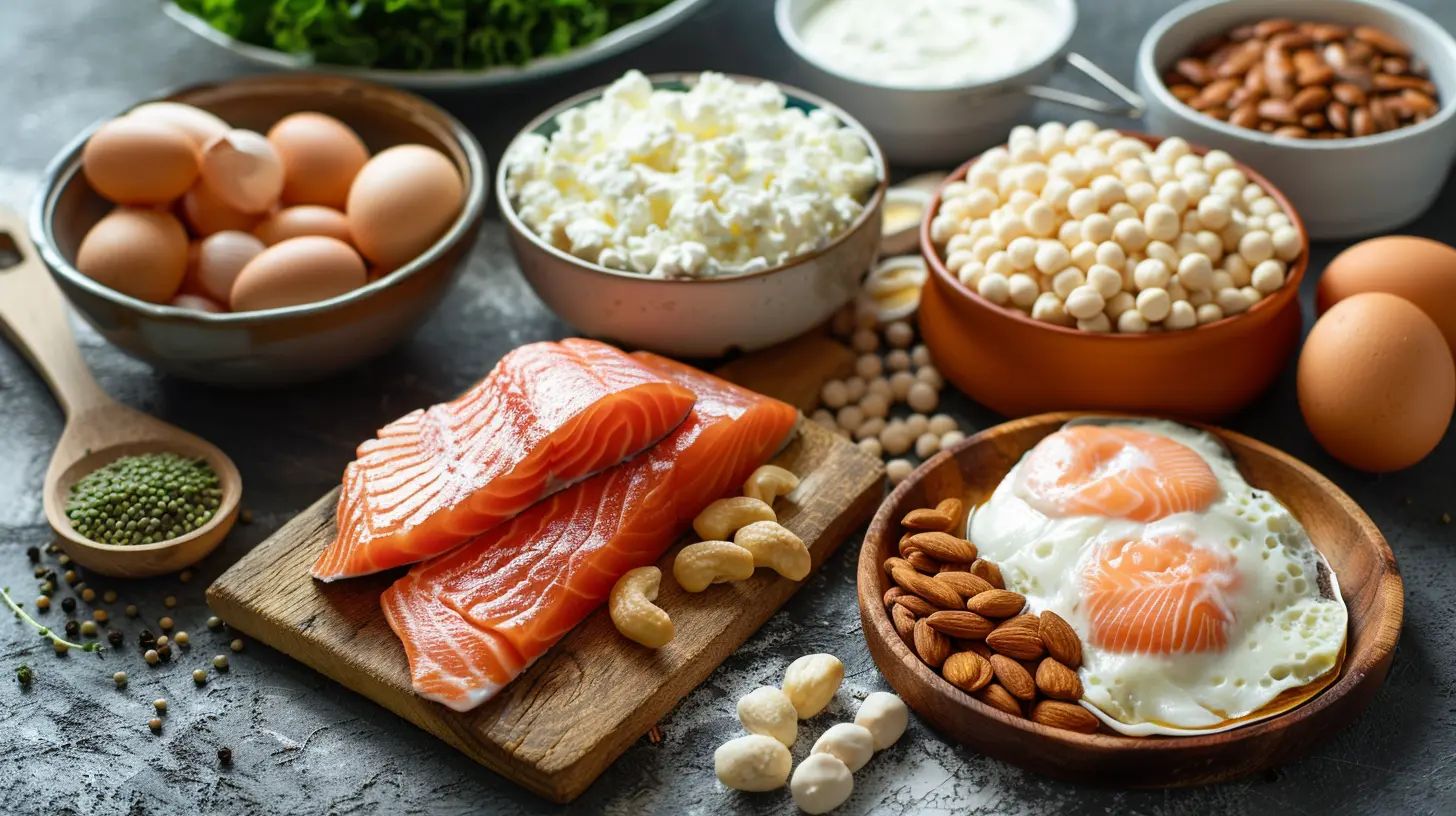
The amount of protein you need depends on your age, gender, and activity level. But here’s a general guideline:- Adults: About 0.8 grams of protein per kilogram of body weight per day (that’s roughly 46g for women and 56g for men).
- Older adults: Research suggests that people over 50 years may need 1.0-1.2g per kg to maintain muscle and bone strength.
- Athletes or Active Individuals: If you’re lifting weights or engaging in high-impact sports, you may need between 1.2-2.0g per kg to keep both muscles and bones in top shape.
Not sure if you're getting enough? Keep reading—I've got some delicious (and protein-packed) food ideas for you!
? Best Protein Sources for Strong Bones
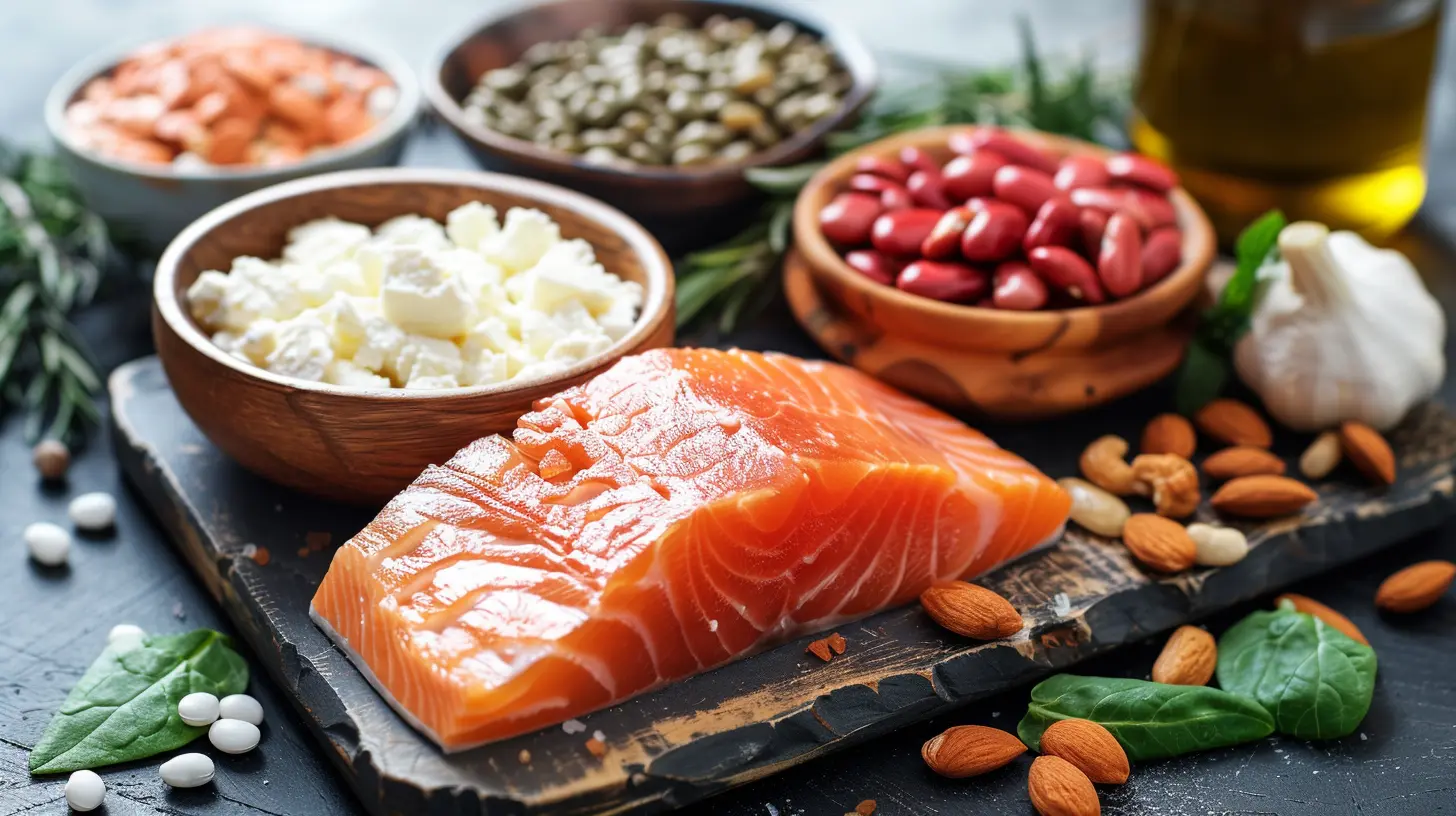
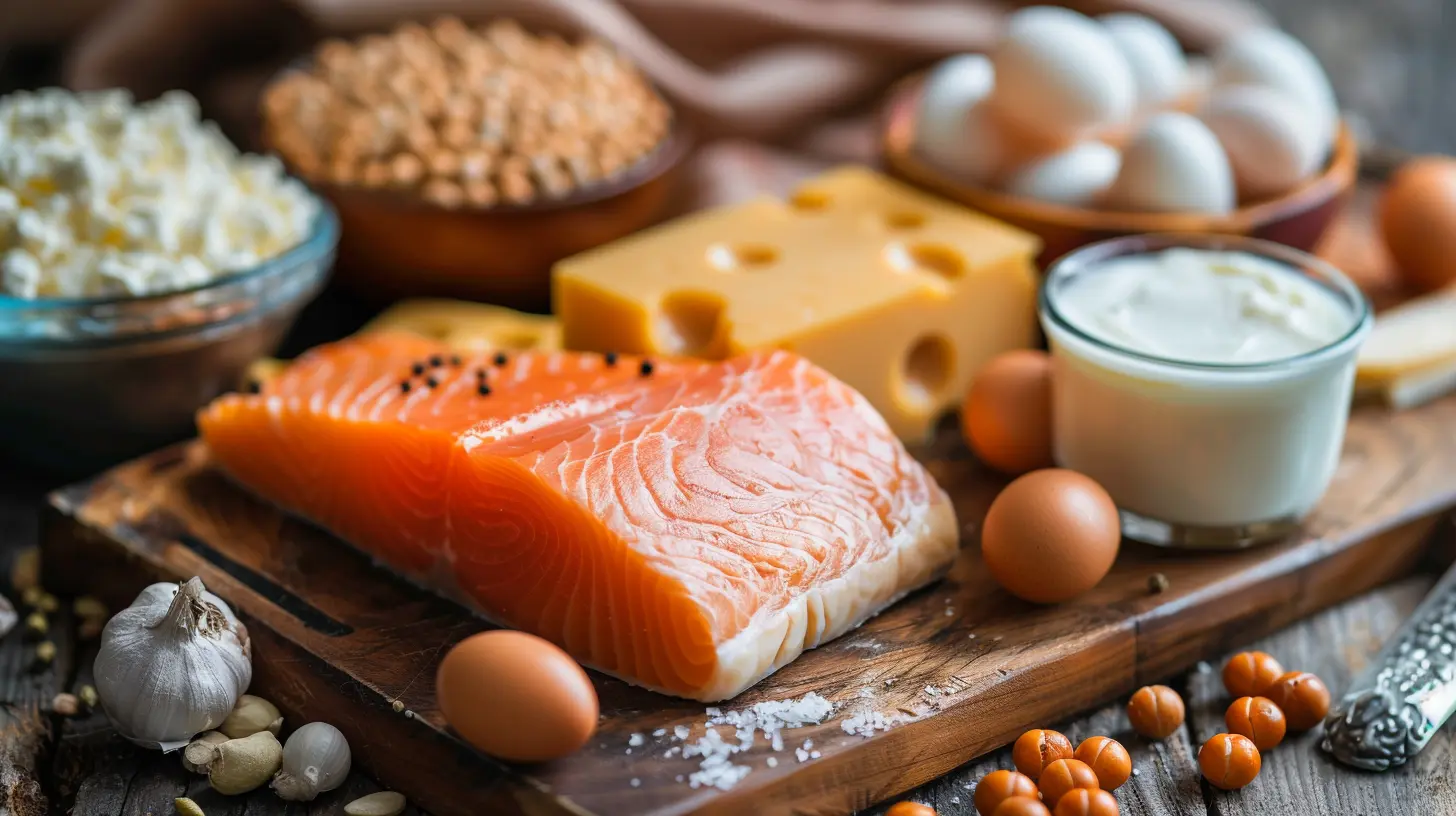
Lucky for us, protein is everywhere in our food. Whether you're a meat-lover or a plant-based eater, you have plenty of options to keep your bones in tip-top shape!? Animal-Based Protein
These sources contain all essential amino acids, making them complete proteins:- Lean meats (chicken, turkey, beef)
- Fish (salmon, tuna, sardines—great for bones since they also have omega-3s and vitamin D!)
- Eggs (a powerhouse of protein and nutrients)
- Dairy products (milk, cheese, and yogurt—double bonus because they contain calcium, too!)
? Plant-Based Protein
If you're vegetarian or vegan, no worries—there are plenty of plant-based proteins:- Legumes (lentils, chickpeas, black beans)
- Tofu & Tempeh (high in protein and great substitutes for meat)
- Nuts & Seeds (almonds, chia seeds, flaxseeds)
- Quinoa (one of the few plant foods that are complete proteins)
- Soy Products (soy milk, edamame, soy protein)
? What Happens When You Don’t Get Enough Protein?
Here’s the not-so-fun part. Not getting enough protein can lead to some serious bone issues, including:- Weaker bones & increased fracture risk – Your bones lose density, making them fragile.
- Slower recovery – If you do get injured, your bones will take longer to heal.
- Muscle loss – Less protein means weaker muscles, leading to an increased risk of falls and accidents.
If you often feel weak, fatigued, or have brittle nails and hair, your protein intake might need an upgrade!
? Protein Myths & Misconceptions
Still unsure about protein’s role in your diet? Let’s bust some common myths:❌ Myth #1: "High Protein Diets Cause Bone Loss"
This is one of the biggest misconceptions. Some believe that eating too much protein makes your body lose calcium, leading to bone weakening. However, recent studies show that a balanced intake of protein actually supports bone health, especially when paired with enough calcium.❌ Myth #2: "Only Athletes Need Protein"
Nope! Protein isn’t just for bodybuilders or athletes. Whether you're young, old, active, or sedentary, your bones need protein at every stage of life.❌ Myth #3: "You Can Get Enough Protein Without Thinking About It"
While it’s true that many foods contain protein, not all diets provide adequate amounts—especially if you're vegan, vegetarian, or eat minimal protein-rich foods. Being mindful of your protein intake ensures your bones stay strong and healthy.? Tips for Boosting Protein Intake
- Include protein in every meal – Instead of just a protein-heavy dinner, aim for a balanced intake throughout the day.- Try protein-rich snacks – Greek yogurt, nuts, protein bars, or smoothies can help fill the gaps.
- Experiment with plant-based options – If you’re tired of chicken and eggs, mix things up with tofu, tempeh, or legumes.
- Consider supplements – If you're struggling to meet your protein needs, high-quality protein powders (whey, casein, or plant-based) can help.
? Final Thoughts
If you want strong, healthy bones, protein isn’t optional—it’s essential. While calcium often gets all the attention, protein is the foundation that keeps your bones resilient and fracture-free. Whether you're getting it from animal or plant sources, ensuring you eat enough protein daily is one of the best things you can do for lifelong bone health.So, next time you’re enjoying that protein-packed meal, give yourself a little pat on the back. Your bones (and body) will thank you!
all images in this post were generated using AI tools
Category:
Healthy BonesAuthor:

Laura Hudson