Facebook Faces Growing Crisis Over Health Scam Advertisements
April 28, 2026 - 03:35
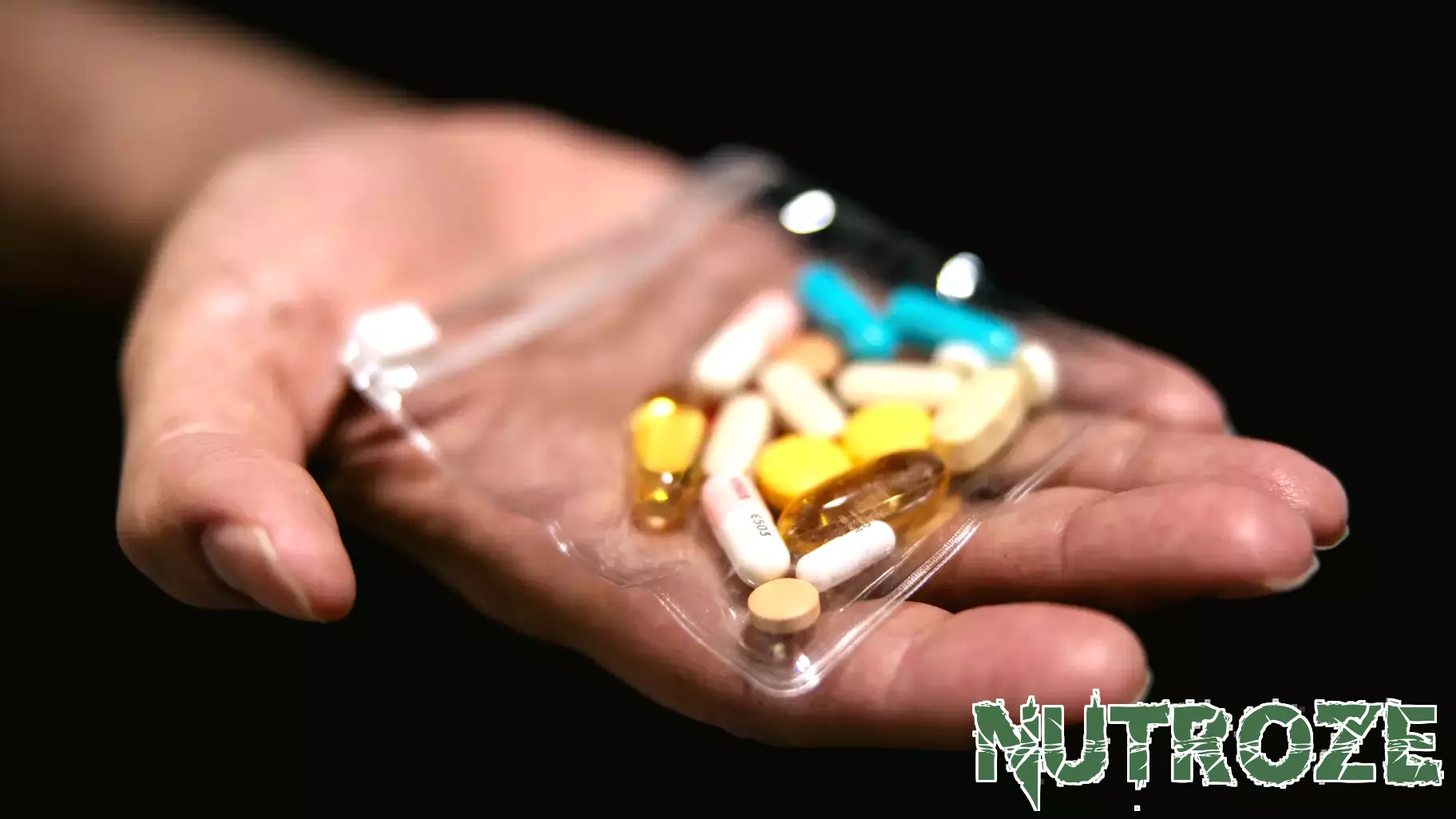
A recent investigation has revealed that Facebook is struggling to contain a massive influx of fraudulent health-related advertisements, with hundreds of thousands of scam ads promoting medical products that are either illegal or have been classified as dangerous by health authorities. The report, based on an analysis of ad data and internal documents, highlights a systemic failure in the platform's content moderation systems.
The problematic ads range from unapproved weight-loss supplements to fake cancer treatments and counterfeit prescription drugs. Many of these advertisements use deceptive tactics, such as fake celebrity endorsements, manipulated before-and-after photos, and misleading testimonials to lure vulnerable users. Some products promoted in these ads have been explicitly banned by regulators like the U.S. Food and Drug Administration (FDA) for containing harmful ingredients or making unsubstantiated health claims.
Despite Facebook's stated policies prohibiting deceptive health claims and dangerous products, the platform's automated review systems have repeatedly failed to catch these scams before they reach millions of users. Researchers found that many ads remained active for weeks or even months before being taken down, often only after user complaints or media scrutiny. The problem is exacerbated by the sheer volume of ads submitted daily, which overwhelms human moderators and allows sophisticated scammers to evade detection by constantly tweaking their ad copy and images.
Critics argue that Facebook's business model, which relies on ad revenue, creates a perverse incentive to allow questionable ads to run as long as they generate clicks and payments. The company has faced similar criticisms in the past regarding political ads, hate speech, and misinformation, but the health scam issue poses a particularly acute danger because it directly threatens users' physical well-being. Victims of these scams may suffer financial losses, delayed medical treatment, or adverse health effects from consuming unregulated products.
Advocacy groups are calling for stronger regulatory oversight and more aggressive enforcement by Facebook, including pre-screening all health-related ads before publication. Some have also suggested that the platform should be held legally liable for damages caused by fraudulent advertisements. Facebook has responded by stating that it is investing in artificial intelligence tools to better detect scam patterns and has banned thousands of bad actors from its advertising platform. However, critics remain skeptical, noting that the scale of the problem continues to grow faster than the company's ability to address it.
MORE NEWS

July 27, 2026 - 02:12
Natrona County health and food inspections (7/17/26–7/23/26)CASPER, Wyo. - The Casper-Natrona County Health Department released its weekly food safety inspection reports for the period of July 17 through July 23. Inspectors visited a range of establishments...

July 26, 2026 - 11:13
Cyclospora Outbreak Raises Health Concerns NationwideThe Centers for Disease Control and Prevention announced that hundreds more people have been infected with cyclospora, bringing the nationwide total to 1,947 as of Friday. This increase has raised...

July 25, 2026 - 17:49
Gabby Thomas Reflects on Healing and Skips US NationalsGabby Thomas, one of the most insightful athletes in track and field, has made the decision to skip the upcoming US nationals. Last year, she faced significant challenges but chose to approach her...
July 24, 2026 - 18:11
Tower Health enters affiliation with Jefferson amid financial strugglesTower Health, a healthcare system in Berks County facing financial difficulties, has announced a new affiliation with Jefferson Health. This partnership aims to improve access to specialty care and...