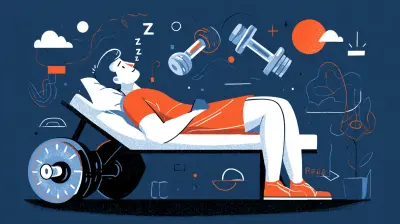
Bone Health Mistakes You Might Be Making
10 August 2026
When we think about our long-term health, it’s easy to focus on things like heart health, brain function, or losing weight. But what about your bones? Yep, those sturdy structures keeping you upright every day often get overlooked—until there’s a problem. Here's the kicker: by the time you feel a difference in your bones, the damage might already be done.
So, let’s talk about the bone health mistakes you might be making (without even realizing it). Don’t worry—we’re going to break it all down and keep things simple.
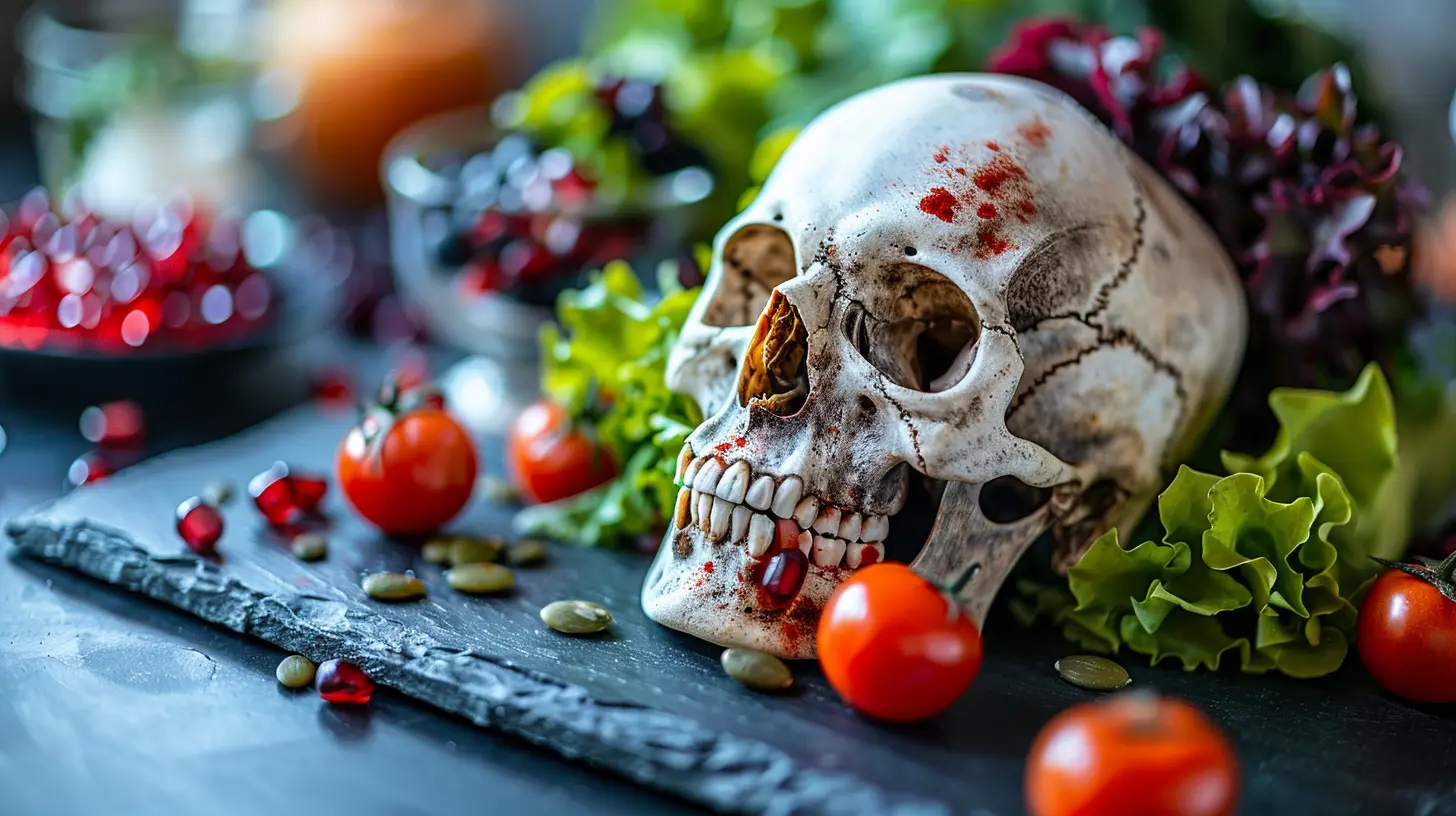
Why Bone Health Should Be a Priority
Think of your bones like the foundation of a house. Without a solid base, the whole thing becomes shaky—and the same is true for your body. Strong bones are key for mobility, balance, posture, and protection of your internal organs. As we age, our bone density naturally decreases, which raises the risk of fractures, osteoporosis, and chronic pain. But bone loss isn’t just something that happens to the elderly—it can start as early as your 30s.The good news? Many of the most common bone health mistakes are easy to fix once you know what they are.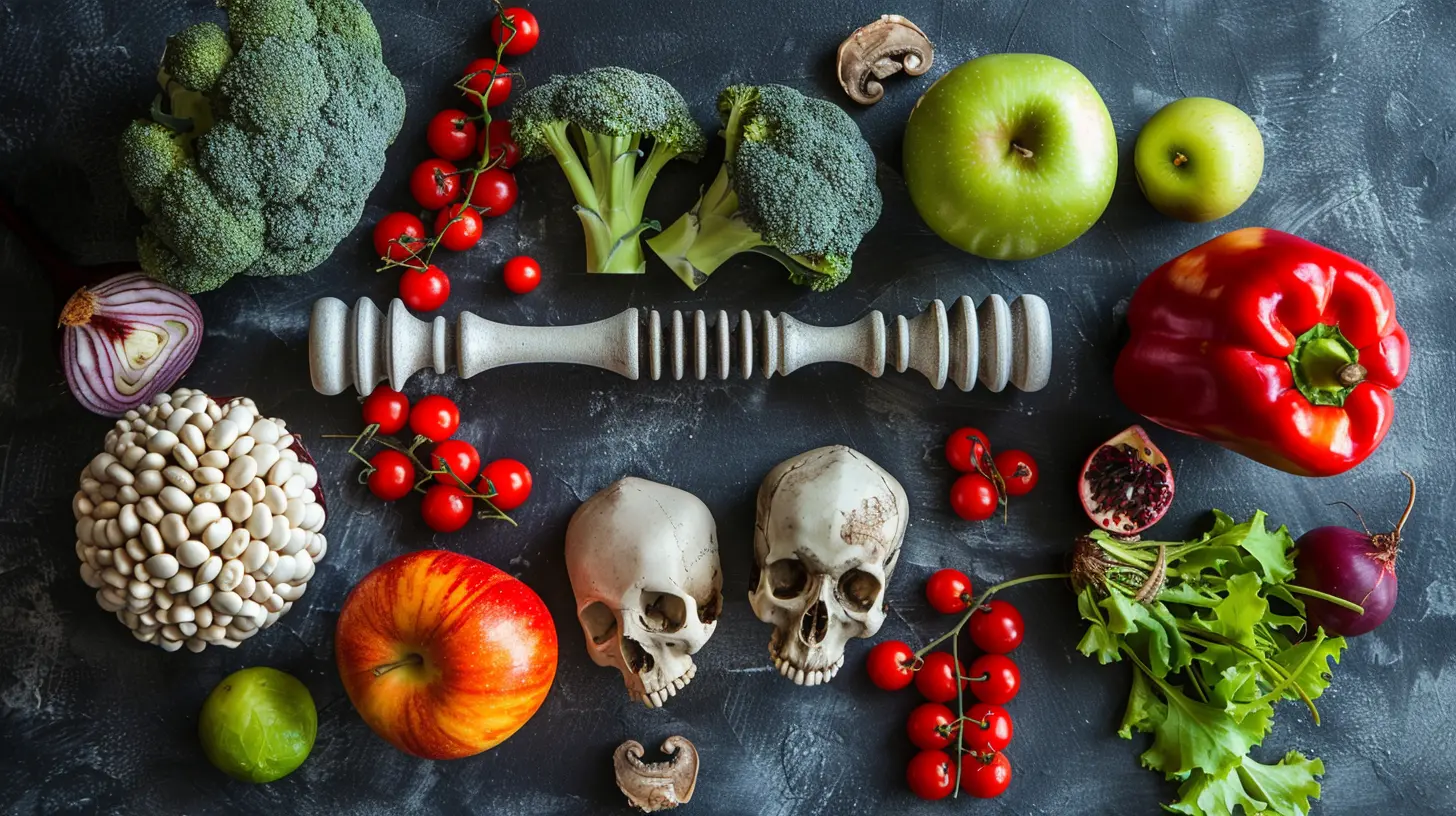
Mistake #1: Not Getting Enough Calcium
Let’s start with the obvious one. Calcium is the building block of bones. But guess what? A lot of us aren’t getting enough of it.Why It Matters
Calcium doesn't just help with bone strength—it also helps your muscles contract and your heart beat. If your body doesn’t get enough from your diet, it’ll take what it needs from your bones, leaving them weak and brittle.The Fix
Make sure you're getting your daily dose—about 1,000 mg for adults, and up to 1,200 mg for women over 50 and men over 70.Great calcium sources include:
- Dairy products (milk, cheese, yogurt)
- Leafy greens (like kale and collard greens)
- Fortified foods (like orange juice or cereals)
- Almonds and tofu
If you're not a fan of dairy or are lactose intolerant? No stress—there are plenty of plant-based options and supplements out there.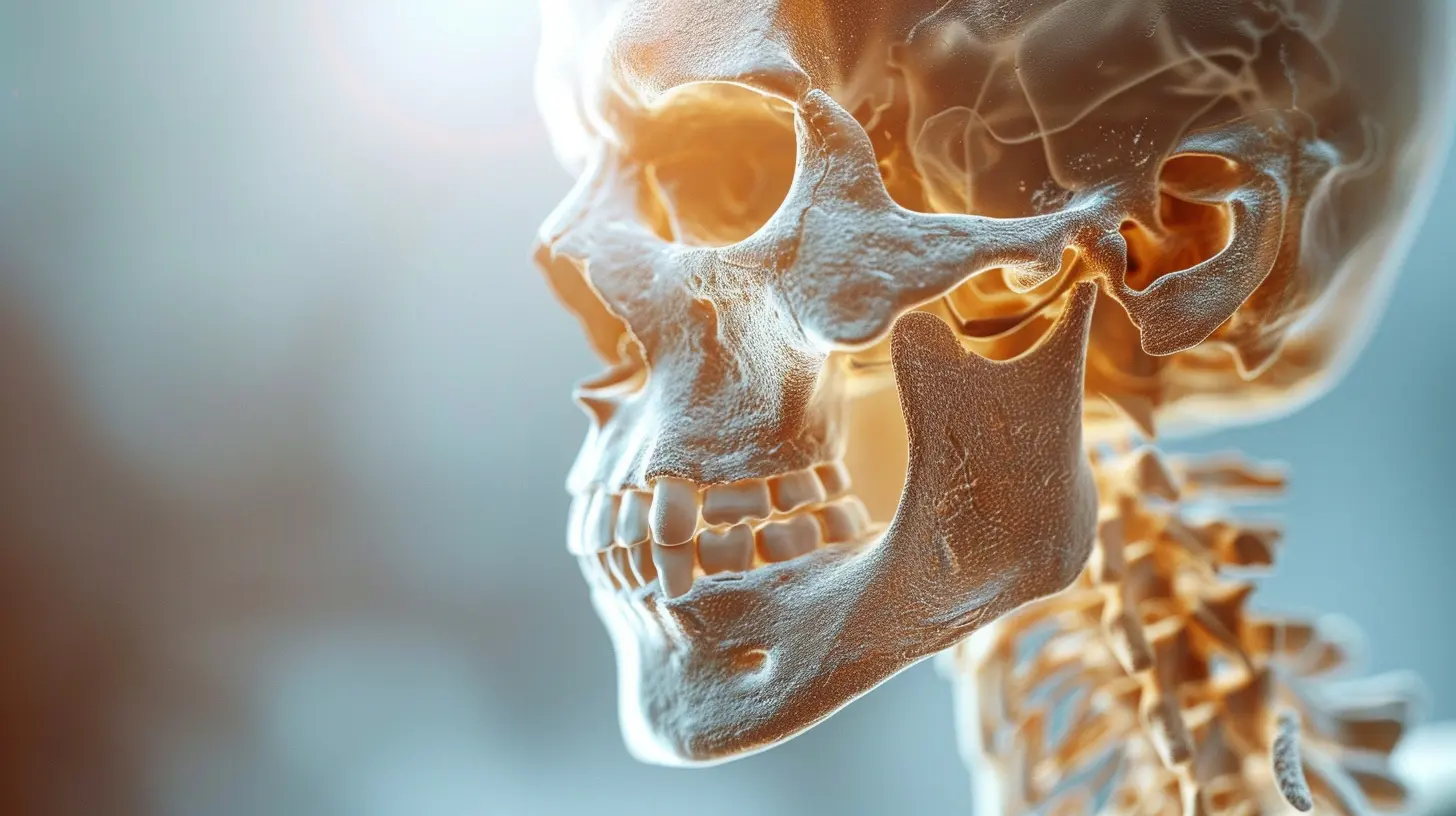
Mistake #2: Skimping on Vitamin D
Calcium’s best friend? Vitamin D. Without it, your body can’t absorb calcium properly.Why It Matters
Think of Vitamin D as the key that unlocks calcium’s benefits. Without enough of it, even a calcium-rich diet won’t protect your bones.The Fix
Aim for 600 to 800 IU of Vitamin D daily (more if you're deficient).How to get it:
- Sunshine (just 10-15 minutes a few times a week)
- Fatty fish (like salmon and sardines)
- Fortified milk and cereal
- Supplements (especially if you live in colder or darker regions)
Mistake #3: Ignoring Regular Exercise
When you're thinking of ways to boost bone health, the gym probably isn't the first place that comes to mind. But it should be.Why It Matters
Bones are living tissue—they respond to exercise by becoming stronger. Weight-bearing and resistance exercises stimulate bone-forming cells, helping to maintain or even build bone mass.The Fix
Incorporate these into your weekly routine:- Walking, hiking, or dancing
- Resistance training with weights or resistance bands
- Yoga or Pilates for balance and flexibility
- High-impact exercises (where appropriate)
Even just 30 minutes a day can make a huge difference. It's like training your bones to stay strong.
Mistake #4: Overdoing Caffeine and Soda
Coffee lovers, hear me out. While a cup or two a day isn’t harmful, going overboard with caffeine or sugary sodas might be messing with your bone health.Why It Matters
Excessive caffeine can leach calcium from the body, and many sodas (especially colas) contain phosphates, which might rob your bones of calcium.The Fix
Keep your caffeine intake to under 300mg a day (roughly two to three cups of coffee), and swap sugary sodas for water, herbal teas, or calcium-fortified drinks. Your bones will thank you.Mistake #5: Smoking (Yes, It Impacts Your Bones Too)
You already know smoking is bad for your lungs and heart—but did you know it can weaken your bones?Why It Matters
Smoking interferes with how your body absorbs calcium and metabolizes Vitamin D. It also reduces blood flow to your bones and disrupts hormone levels essential to bone building.The Fix
If you're a smoker, the best thing you can do (for your bones and everything else) is to quit. Talk to your doctor about a cessation program that works for you.Mistake #6: Drinking Too Much Alcohol
An occasional glass of wine? No big deal. But heavy drinking? That’s where trouble starts.Why It Matters
Excessive alcohol interferes with the body's calcium absorption and disrupts bone-building cells. Over time, this can lead to lower bone density and higher fracture risks.The Fix
Stick to moderate drinking—no more than one drink per day for women and two for men. And if drinking is affecting your diet and activity levels, it’s time to reassess.Mistake #7: Not Knowing Your Bone Health Status
Here's the deal: you can’t fix what you don’t know. Many people don't realize their bone density is declining until they suffer a fracture.Why It Matters
Early detection can prevent serious problems down the line. If you're at risk (family history, post-menopause, older age), a bone density test (DEXA scan) is a smart move.The Fix
Talk to your doctor about your bone health risk factors and whether you should get tested.Mistake #8: Going Too Hard on Diets
Been on a crash diet lately? Cutting out entire food groups? That might be doing more harm than good.Why It Matters
Restrictive eating can deprive your body of essential nutrients—especially calcium, protein, and Vitamin D. These are key for bone health, and without them, your bones become vulnerable.The Fix
Aim for a balanced diet that includes:- Protein (supports bone structure)
- Calcium and Vitamin D
- Healthy fats for hormone production
- Plenty of fruits and veggies for antioxidants and minerals
Weight loss doesn't have to come at the expense of your bones. Think sustainability, not extremes.
Mistake #9: Lack of Protein in Your Diet
Protein isn’t just for bodybuilders. Your bones need it too.Why It Matters
Bones are made up of collagen, a protein that gives them flexibility and strength. Without enough protein, your bones become fragile and break more easily.The Fix
Include high-quality protein in every meal:- Eggs
- Lean meats
- Dairy
- Beans and legumes
- Protein-rich smoothies
Try to get 0.8 grams of protein per kg of body weight daily—but if you're active or older, you may need more.
Mistake #10: Ignoring Post-Menopausal Bone Loss
Ladies, this one’s for you. After menopause, estrogen levels drop—and that’s a big deal for your bones.Why It Matters
Estrogen protects your bones, and its decline can lead to rapid bone loss. Women can lose up to 20% of their bone density in the five to seven years after menopause.The Fix
Talk to your healthcare provider about hormone replacement therapy or other treatments to help manage this transition. And ramp up your efforts with calcium, Vitamin D, exercise, and regular screenings.Mistake #11: Not Focusing on Balance and Fall Prevention
You could have the strongest bones in the world—but if you fall frequently, you’re still at risk of fractures.Why It Matters
As we age, falls become one of the leading causes of injury and bone breaks, especially in those with existing bone density issues.The Fix
- Add balance exercises to your routine (like Tai Chi or standing on one foot)- Remove tripping hazards at home (think loose rugs or clutter)
- Get your vision and hearing checked regularly
- Use handrails and proper lighting
Keeping yourself upright is just as important as keeping your bones strong.
Final Thoughts: A Little Effort Goes a Long Way
Most of us don’t think about our bones until we’ve got a break or a diagnosis staring us in the face. But bone health isn’t just about aging—it’s about creating a strong, supportive framework for your life at every stage.The great news is that even small changes in your daily habits can yield big results. Start with one or two tweaks today—maybe up your calcium, get a little sunshine, or take a slow walk around the block. Your future self (and your skeleton) will thank you.
So, let’s stop making these bone health mistakes and start giving our bones the love, care, and strength they deserve.
all images in this post were generated using AI tools
Category:
Healthy BonesAuthor:

Laura Hudson