Curbing Sugar Intake to Slow Down Skin Aging
13 June 2026
Let’s face it — we all love our sweets. Whether it's diving into a decadent chocolate cake or sneaking a spoonful of ice cream at midnight, sugar can be oh-so-satisfying. But here’s the kicker: sugar is a major culprit behind premature skin aging. Yep, the sweet stuff might be doing more damage to your skin than you realize.
Before you panic and toss out every cookie in your pantry, let’s break down exactly how sugar affects your skin, and more importantly, how cutting back can help you maintain that youthful glow for years to come. Spoiler alert: it’s not just about wrinkles.
The Sugar and Skin Connection: Why It Matters
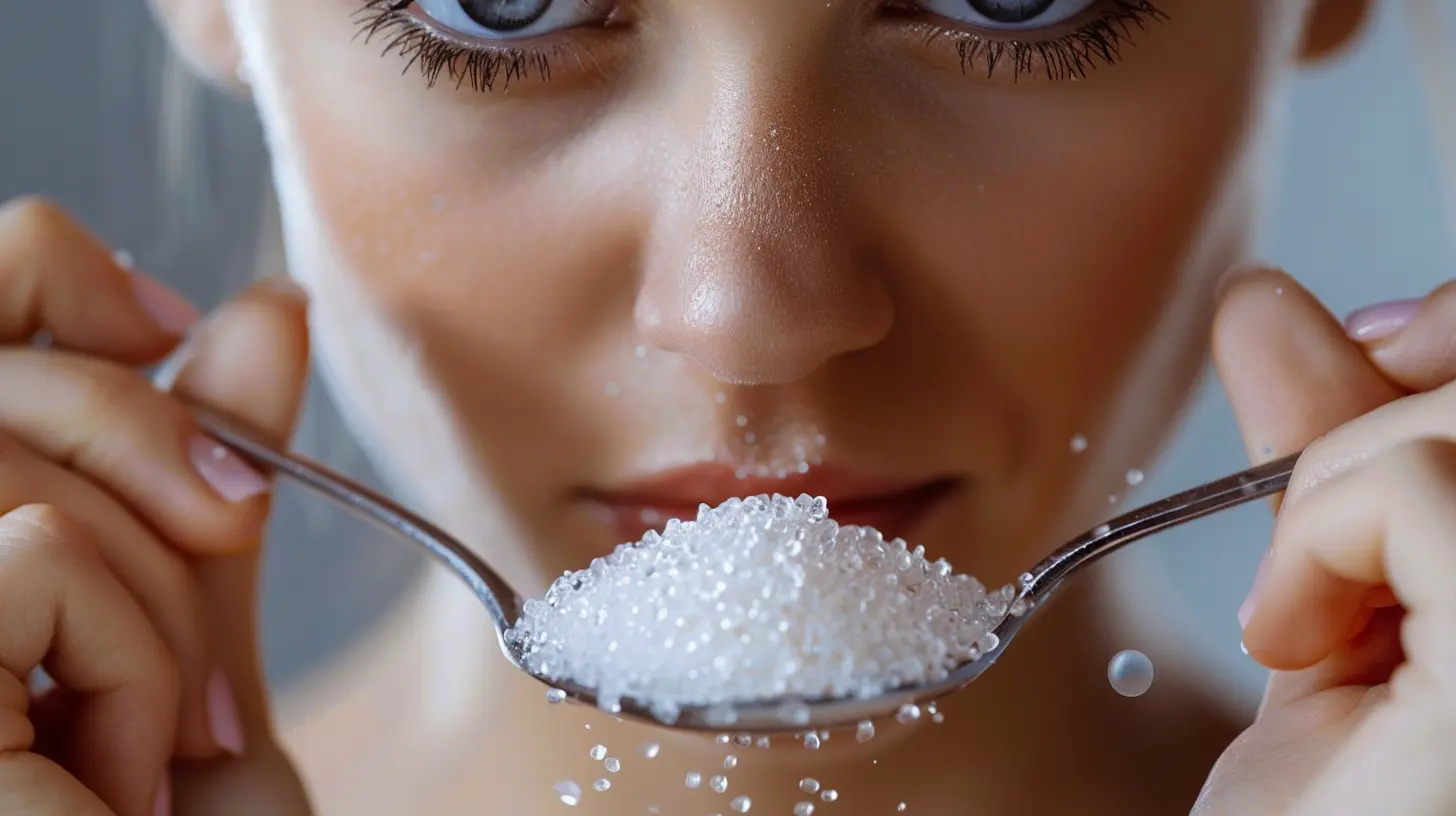
Ever heard the term "sugar face"? It’s a thing, and trust me, it’s not a compliment. Dermatologists can actually identify signs of excessive sugar consumption just by looking at your face. We’re talking sagging skin, fine lines, puffiness, breakouts – the whole nine yards.So what’s going on here?
Glycation: The Science Behind Sugar Aging Your Skin
Let’s get a little nerdy for a second. When you consume sugar, it enters your bloodstream and binds to proteins through a process called glycation. When sugar latches onto proteins like collagen and elastin — which are the building blocks of firm, youthful skin — it forms what are called Advanced Glycation End Products, or AGEs (ironic, right?).These AGEs stiffen and destroy collagen and elastin fibers, making your skin lose its bounce, firmness, and smooth texture. The result? More wrinkles, droopiness, and that dull, tired look.
Inflammation: Sugar’s Sneaky Sidekick
But wait — there’s more (and it’s not good). High sugar intake also sparks chronic inflammation. This low-level inflammation damages skin cells and accelerates aging from the inside out. Think of it like silent sabotage — you don’t notice it happening, but the damage adds up over time.
Visible Signs That Sugar Might Be Aging Your Skin
You might be wondering if your sweet tooth is leaving its mark. Here are some telltale signs sugar is affecting your skin:- Fine lines and wrinkles showing up earlier than expected
- A dull, tired-looking complexion
- Loss of elasticity, especially around the jawline and eyelids
- Breakouts and acne, even if you’re well past your teenage years
- Chronic skin conditions like eczema or rosacea flaring up
If you’re nodding along, it might be time to rethink what’s on your plate.

How Cutting Back on Sugar Can Help Your Skin
Now, here's the good news: your skin is incredibly resilient and adaptable. Give it the right environment to thrive, and it will bounce back. Reducing sugar intake can slow down — or even reverse — many signs of premature aging. Here's how it helps:1. Restores Collagen and Elastin Flexibility
When you stop flooding your system with sugar, you reduce glycation. This gives your collagen and elastin a break, allowing your skin to hold onto its youthful structure. Translation? Firmer, smoother, tighter skin over time.2. Reduces Inflammation
Less sugar means less systemic inflammation. That results in clearer skin, fewer breakouts, and a brighter, healthier glow. It also helps manage conditions like acne, rosacea, and psoriasis.3. Boosts Hydration and Radiance
Sugary foods can mess with your water balance, leaving you dehydrated — and dehydrated skin looks lifeless. Cut back on sugar and your skin holds onto water better, making it look naturally plump and radiant.4. Keeps Blood Sugar Levels Stable
When your blood sugar is under control, your hormones stay balanced. That means fewer hormonal breakouts, reduced oil production, and less skin stress overall.
Tips to Reduce Sugar in Your Diet Without Losing Your Mind
Let’s be real — cutting sugar completely isn’t easy, and for most of us, it’s not realistic. But you don’t have to quit cold turkey. Small changes = big results. Here’s how to start:Start Reading Labels
You’d be shocked at how many foods are secretly packed with sugar. Check the ingredient list for words like “high-fructose corn syrup,” “maltose,” “dextrose,” or anything ending in “-ose.” If sugar’s in the top five ingredients, it's worth reconsidering.Ditch Sugary Drinks
Sodas, sweetened lattes, energy drinks — they’re sugar bombs in disguise. Swap them for flavored sparkling water, unsweetened iced tea, or fresh fruit-infused water. Your skin (and waistline) will thank you.Eat More Whole Foods
Processed foods are often loaded with added sugars. The more real, whole foods you eat — think fruits, vegetables, nuts, lean proteins — the easier it becomes to avoid hidden sugars.Satisfy Sweet Cravings the Smart Way
Got a sweet tooth? You’re not alone. Try healthier swaps like:- Fresh berries with Greek yogurt
- A piece of dark chocolate (look for 70% or higher)
- Dates or dried figs in moderation
- Frozen banana "nice cream"
Be Mindful of "Healthy" Sugars
Honey, agave, maple syrup — while they’re more natural, they still spike blood sugar. Use them sparingly.Don’t Forget About Alcohol
Alcohol, especially cocktails and mixed drinks, can be high in sugar and dehydrate your skin. Choose dry wine or spirits with soda water if you’re drinking.Best Anti-Aging Foods to Support Your Skin
Cutting sugar is one side of the coin. The other? Replacing it with skin-loving nutrients. Here's what to pile on your plate:- Avocados: Packed with healthy fats that keep your skin supple.
- Salmon: High in omega-3s that reduce inflammation.
- Leafy greens: Loaded with antioxidants and vitamins for skin repair.
- Berries: Full of vitamin C to boost collagen.
- Nuts and seeds: Great source of vitamin E, a natural skin protector.
Supplements That May Help
If your diet is already clean but you're still concerned about sugar-related skin issues, consider these:- Alpha-lipoic acid: Helps prevent glycation.
- Vitamin C: Supports collagen production.
- Collagen peptides: May improve skin elasticity.
- Zinc and Biotin: Support skin healing and clarity.
(Always talk to your doctor before starting new supplements!)
How Long Before You See Changes in Your Skin?
This is the million-dollar question, right?While everyone’s different, many people begin to notice improvements in their skin within 2 to 4 weeks of reducing sugar intake. You might see fewer breakouts, less puffiness, and a more radiant complexion.
Deeper, structural changes (like elasticity and firmness) take a bit longer — typically 2 to 3 months. But trust the process. Your skin is healing from the inside out.
Final Thoughts: It's Not Just Vanity, It's Vitality
Reducing sugar isn’t just about preserving that youthful glow—it’s about protecting your overall health. From better skin to better energy, mood, and metabolism, the benefits of curbing sugar go far beyond the mirror.Think of it like this: every bite of sugar you skip is like a little investment in your future self. So next time you're tempted by that second slice of cake, ask yourself — is it really worth it?
Your skin will answer for you.
Frequently Asked Questions (FAQs)
Does quitting sugar altogether make you look younger?
It can! You might not look 18 again, but cutting sugar significantly reduces glycation and inflammation — two major aging accelerants. Your skin will likely look clearer, brighter, and smoother.Is natural sugar from fruits bad for skin?
Not at all when eaten in moderation. Fruits contain fiber, vitamins, and antioxidants that help slow the absorption of sugar and protect skin. Just don’t overdo it on fruit juices or dried fruits.Can cutting sugar reverse wrinkles?
It can improve skin quality and slow down the formation of new wrinkles. While it may not erase deep lines, it can definitely enhance the skin’s overall texture and firmness.How much sugar is okay per day?
The American Heart Association recommends no more than 25 grams (about 6 teaspoons) of added sugar per day for women, and 36 grams (9 teaspoons) for men. Less is better, though!all images in this post were generated using AI tools
Category:
Anti AgingAuthor:

Laura Hudson
Discussion
rate this article
1 comments
Cassian Collins
This article highlights an important aspect of skincare that often gets overlooked. Reducing sugar can significantly impact skin health and aging. Practical tips provided make it accessible for anyone looking to enhance their skincare routine and maintain a youthful appearance.
June 16, 2026 at 3:38 AM