From Hikes to Hill Sprints: How to Add Intensity to Outdoor Cardio
7 July 2026
There’s something magical about ditching the gym and heading outdoors for a sweat session. The fresh air, the open skies, the freedom to move without a treadmill beeping at you—it’s refreshing, right? But let’s be real for a second. Sometimes your regular jog in the park or your weekend hike starts to feel more like a leisurely stroll than an actual workout. If you’re thinking, “Yep, that’s me,” then hold onto your water bottle because we’re about to crank the intensity up a notch—or ten.
Whether you’re a weekend warrior, a cardio newbie, or someone who just really hates running on a hamster wheel (AKA treadmill), this guide is here to show you how to shake up your outdoor cardio routine. From hikes to hill sprints, we’re talking practical, quirky, and—let’s face it—sweaty ways to level up your heart-pounding adventures.

Why Add Intensity to Your Outdoor Cardio?
Let’s start with the "why" before we dive into the "how."Adding intensity to your outdoor workouts isn't just about burning more calories (though hey, that’s a nice bonus). It’s about:
- Pushing your endurance limits
- Breaking through plateaus
- Keeping your workouts interesting (buh-bye, cardio boredom)
- Improving cardiovascular health
- Boosting mood and energy levels
More intensity = more gains. Period.
And don’t worry—you don’t need fancy equipment or a climb up Mount Everest to get results. Nature has your gym equipment covered, and all you need is a little creativity and a lot of motivation.

Start With a Solid Base: The Power of the Hike
Hiking is like the gateway drug of outdoor cardio. It’s low-key addictive, easy to scale up or down, and scenic enough to keep your mind entertained while your calves do the heavy lifting.Here’s how to turn your average hike into a full-on leg-dominating cardio fest:
1. Pick the Right Terrain
Not all trails are created equal. If your current hiking route feels a little too Instagram-friendly, it might be time to hunt for steeper, more uneven paths. The rockier, the better (within reason, please don’t sprain an ankle trying to prove a point).Pro Tip: Apps like AllTrails allow you to filter by difficulty and elevation gain. Look for words like "moderate," "strenuous," or just anything that makes you go, “Ugh.”
2. Add a Backpack (Weighted Hiking)
Want to know how to instantly double the challenge? Strap on a backpack with a few pounds of extra weight. Not only does this make your heart work harder, but it also activates your core and glutes. Bonus: you’ll look like a wilderness explorer, which is always cool.Start light (like 5-10 pounds), then work your way up. No need to carry your entire pantry—just a couple of water bottles, snacks, and maybe a change of clothes.
3. Use Hiking Intervals
Intervals aren’t just for sprinting. Try hiking at a normal pace for 5 minutes, then power-walk or jog (if the trail allows) for 1-2 minutes. Alternate for the entire hike, and you’ve just created a killer cardio interval workout in the woods.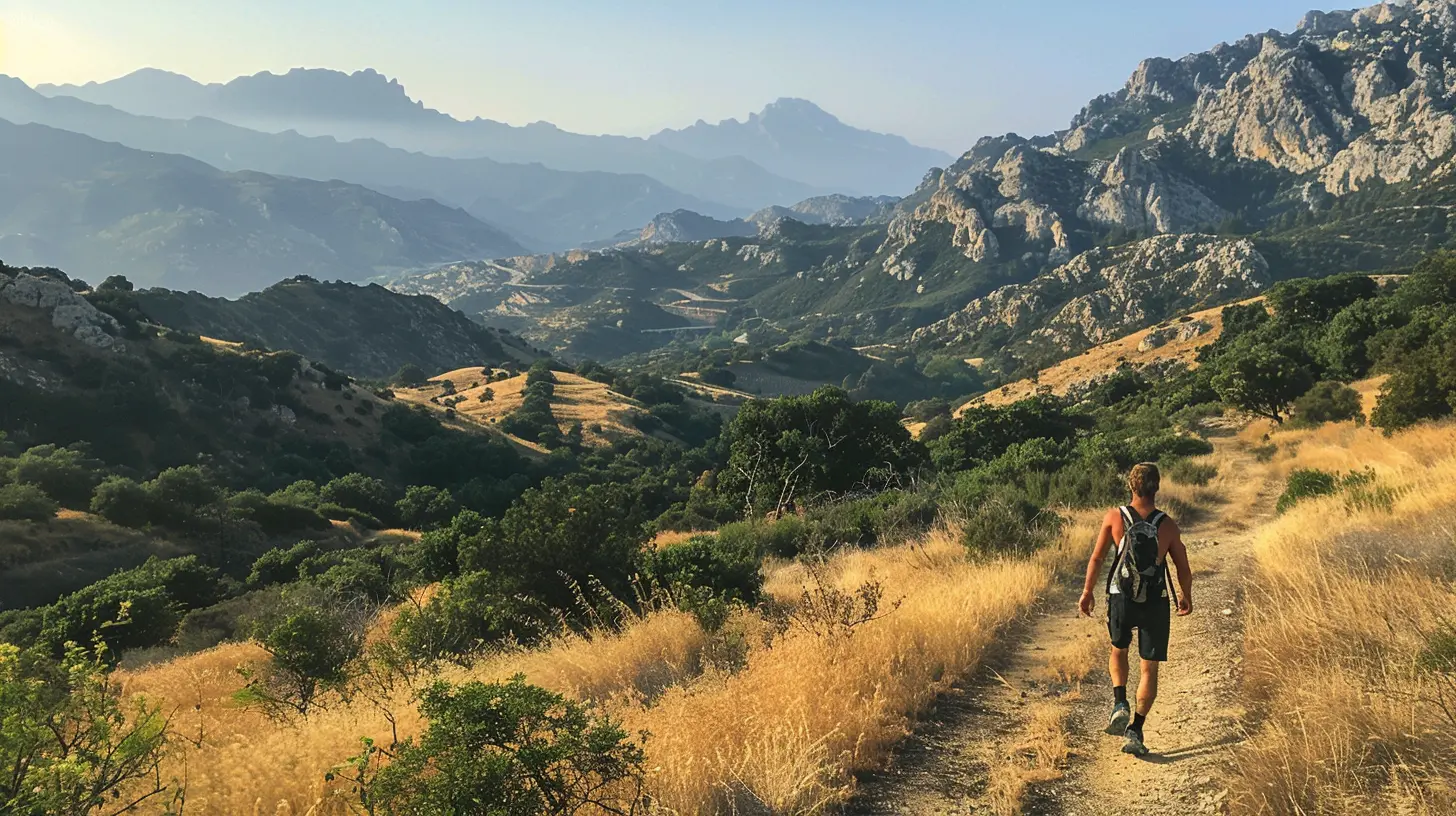
Trail Running: When Hiking Isn’t Hardcore Enough
So, maybe you’ve mastered hiking and you’re ready to turn up the dial. Enter: trail running, the hillier, messier, way-more-fun cousin of jogging on pavement.Trail running adds the intensity through:
- Uneven terrain (hello stabilizer muscles!)
- Constant elevation changes
- Quick decision-making (dodging roots, jumping over puddles—it’s like a video game)
Keys to Trail Running Like a Pro (Well, Like a Slightly Clumsy Pro)
- Shorten your stride: Trails aren’t the place for long, elegant steps.- Keep your eyes down: Rocks, roots, and surprise squirrel holes are waiting.
- Use your arms: For balance and power on hills.
- Shoes matter: Trail shoes with grippy soles are game-changers.
Not only will trail running torch calories, but it’ll also give you an ego boost every time you finish a run without face-planting.

Let’s Talk Hill Sprints (Yes, They Hurt—in a Good Way)
Now we’re getting into beast mode territory. Hill sprints are like espresso shots for your cardio routine. They're quick, intense, and have you wondering why you ever signed up for this madness (until the endorphins kick in).The Beauty of Hill Sprints:
- Build explosive power- Increase aerobic and anaerobic capacity
- Improve running form
- Take less time than traditional cardio
How to Do Hill Sprints Without Dying
1. Find a hill. Not a mountain, not a gentle slope—something in-between. A 5-10% incline is gold.2. Warm up. Please don’t go from zero to Usain Bolt uphill. Walk, jog, stretch.
3. Sprint uphill for 20-30 seconds.
4. Walk back down slowly.
5. Repeat 4-8 times.
That’s it. You’ll be gasping, shaking, and questioning your life choices—but in the best way.
Pro Tip: Bring music or a buddy. Misery loves company.
Add Play to Your Pain: Outdoor Cardio Playgrounds
Who says workouts can’t be fun? If hill sprints sound too intense, mix things up with some cardio “play” sessions. Think ninja warrior meets nature hike.Ideas to Make it a Game:
- Tree tag: Sprint from tree to tree, changing directions.- Agility drills: Use cones, rocks, or sticks to create zig-zag courses.
- Bear crawls up hills: Yes, it’s ridiculous. Also yes, it’s effective.
- Park bench circuits: Step-ups, tricep dips, box jumps—go nuts.
The goal? Keep your heart rate up and your inner child engaged. Because let’s face it, adulting is hard and play is underrated.
Add Strength for Serious Gains
Cardio and strength? A match made in sweaty heaven. You don’t need a gym to get ripped—just a trail, your body weight, and maybe a log or two.Here’s how to turn your outdoor cardio into a full-body workout:
The Trail Bootcamp Combo
Every 5-10 minutes of hiking or jogging, stop and do:- 20 squats
- 15 push-ups (modify on a bench if needed)
- 15 lunges per leg
- 1-minute plank
Repeat until you reach your destination or collapse in a grassy heap. Whichever comes first.
This combo torches fat, builds muscle, and keeps you from zoning out during long hikes.
Monitor Progress Without Killing the Vibe
Now, I’m not saying you need to obsess over stats. But a little tracking can be motivating. It can also show you that yes, those hill sprints are paying off.Low-Key Ways to Track:
- Heart rate monitor: See how quickly your heart recovers.- Apps like Strava or MapMyRun: Track distance, pace, elevation.
- Progress photos: Silly but effective.
- Journal how you feel: More energy? Less panting? Fewer internal screams?
The key is to avoid overanalyzing and just celebrate the little wins.
Recovery Is Not Optional
Look, pushing hard is awesome, but recovery is where the magic happens. Don’t be that person who hill sprints every day and wonders why they’re falling apart.Outdoor-Friendly Recovery Ideas:
- Easy nature walks- Yoga in the park
- Foam rolling on a picnic blanket
- Stretching at a scenic overlook (bonus: epic Instagram backdrop)
Recovery isn’t lazy—it’s smart. Your body will thank you. Your quads might even forgive you.
Final Thoughts: Channel Your Inner Mountain Goat
Look, outdoor cardio doesn't have to be gentle. It can be fierce, wild, and surprisingly fun. All it takes is a little creativity and a willingness to sweat outside your comfort zone (literally).From hiking steep trails with a loaded pack to sprinting up hills like a caffeinated gazelle—there are endless ways to level up your adventure. The best part? You’ll build endurance, strength, and mental toughness while soaking up sunshine and fresh air.
So next time you lace up those sneakers, ditch the familiar path. Push harder. Jump higher. Sprint faster. And remember: nature doesn’t care if you're red-faced, sweaty, and breathing like a bear. Neither should you.
Now go climb that hill, you glorious cardio beast.
all images in this post were generated using AI tools
Category:
Outdoor WorkoutsAuthor:

Laura Hudson
Discussion
rate this article
1 comments
Fern McDonough
Embracing intensity in outdoor cardio transforms a routine into an adventure. It not only strengthens the body but also refreshes the mind, making each moment count.
July 7, 2026 at 3:50 PM
Laura Hudson
I completely agree! Adding intensity really does turn workouts into exciting experiences. It's amazing how it can energize both body and mind.