Healthy Cooking Secrets for Beginners to Master by 2026
16 April 2026
Let’s be honest: the idea of “healthy cooking” can feel like a secret club with a complicated handshake. You see pictures of vibrant bowls and steaming pans, and it seems like everyone else got the rulebook except you. Maybe you’re staring at a bunch of kale wondering what you signed up for, or perhaps your current cooking repertoire starts and ends with the microwave’s “popcorn” button. Wherever you’re starting from, I want to let you in on a little secret: healthy cooking isn’t about perfection; it’s about progression.
Think of it like learning a new language. You don’t start by writing poetry; you start with “hello,” “please,” and “thank you.” By 2026, you won’t just be memorizing a few phrases—you’ll be having fluent, delicious conversations with your food. This guide is your friendly, no-judgment tutor. We’re going to break down the intimidating walls of the kitchen and build a cozy, confident space where you can thrive. Ready to become the master of your own meals? Let’s turn the heat on.
The Foundation: Rethinking Your Kitchen Mindset
Before we chop a single vegetable or preheat an oven, we need to tackle the biggest obstacle: your mindset. Healthy cooking often gets a bad rap for being bland, expensive, and time-consuming. What if we flipped that script?Secret #1: Healthy is Flavor, Not Deprivation
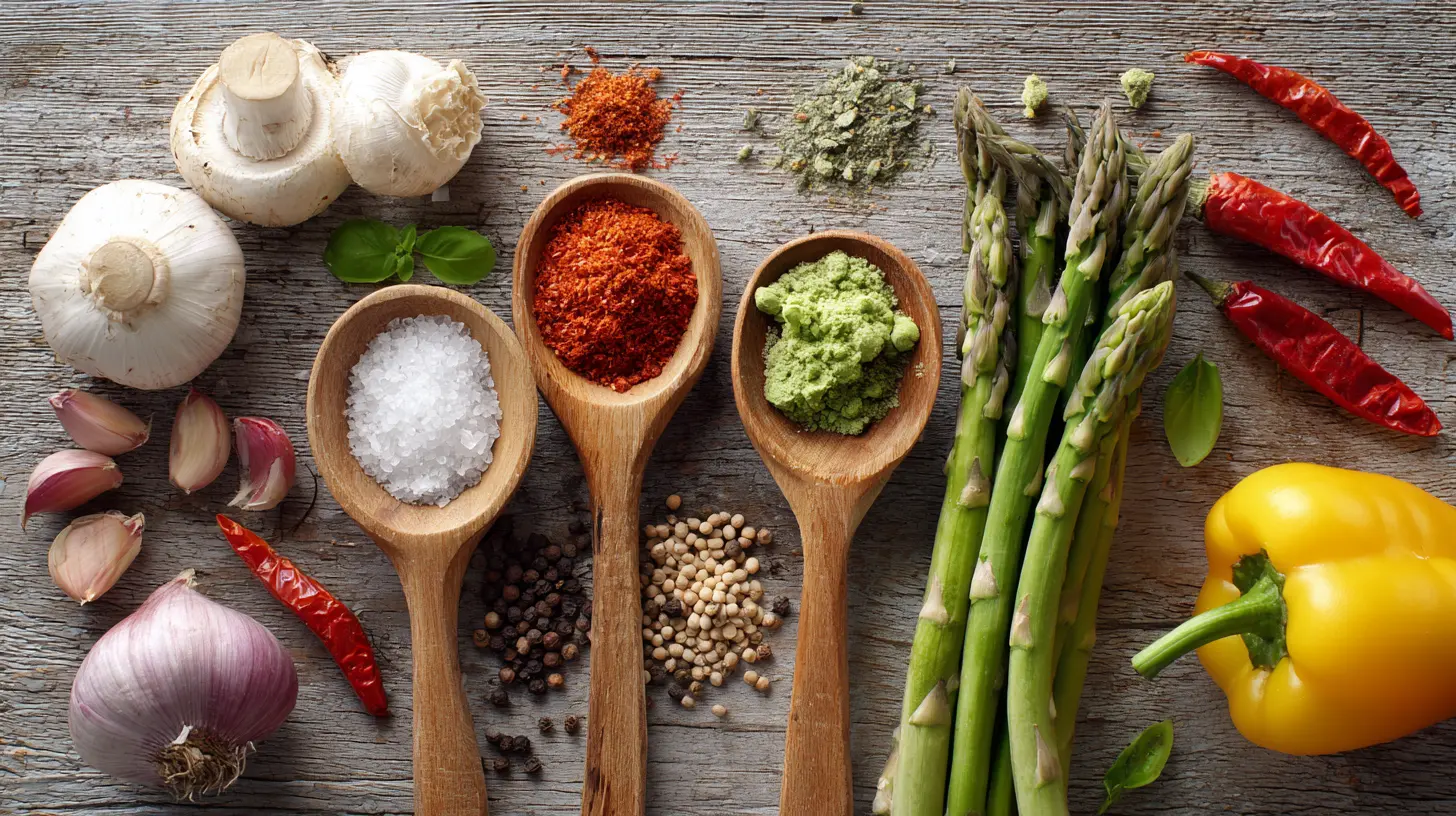
This is the north star of your journey. The most powerful secret isn’t a specific spice; it’s the understanding that healthy food should be the most exciting food on your plate. We’re not here to take away your favorite tastes; we’re here to amplify them using nature’s toolkit. Forget steamed, unseasoned broccoli. Imagine it roasted with a smoky paprika and a squeeze of lemon until the edges are crispy. See the difference? Your mission is to become a flavor architect, building taste with herbs, spices, acids (like vinegar or citrus), and healthy fats.Secret #2: Your Kitchen is a Laboratory, Not a Courtroom
Mistakes will happen. The soup will be too salty. The quinoa might turn to mush. That’s not failure; it’s data collection! Every “oops” is a lesson that teaches you more than any recipe ever could. Did you burn the garlic? Now you know it cooks in seconds, not minutes. Your kitchen is a place for playful experimentation. There are no cooking police. Give yourself permission to try, to taste, and to adjust as you go.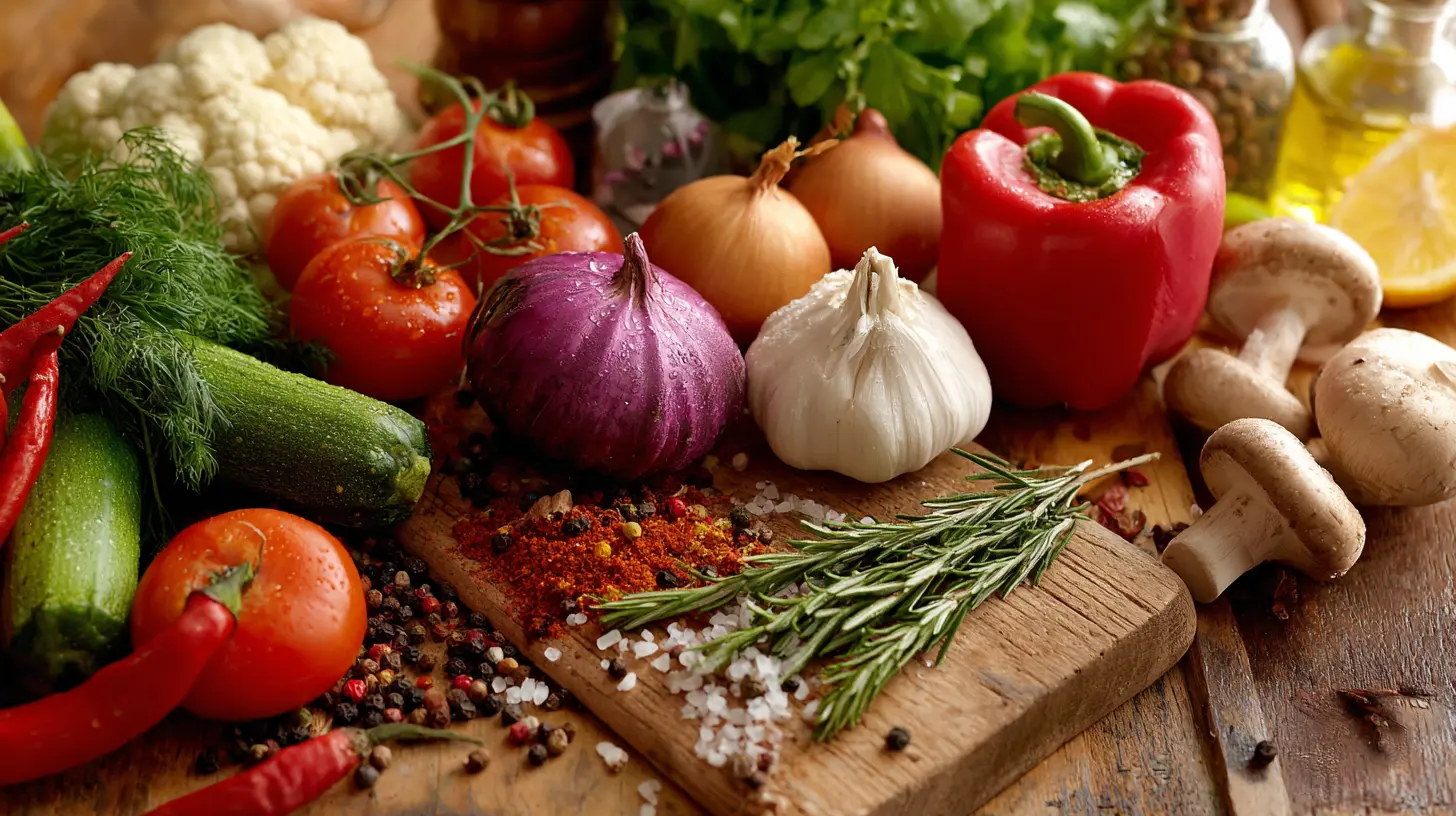
Your Culinary Toolkit: Gear & Ingredients for Success
You don’t need a TV chef’s kitchen. A few key tools and a well-considered pantry are your best allies. This is about working smarter, not harder.The 5 Essential Tools You Actually Need
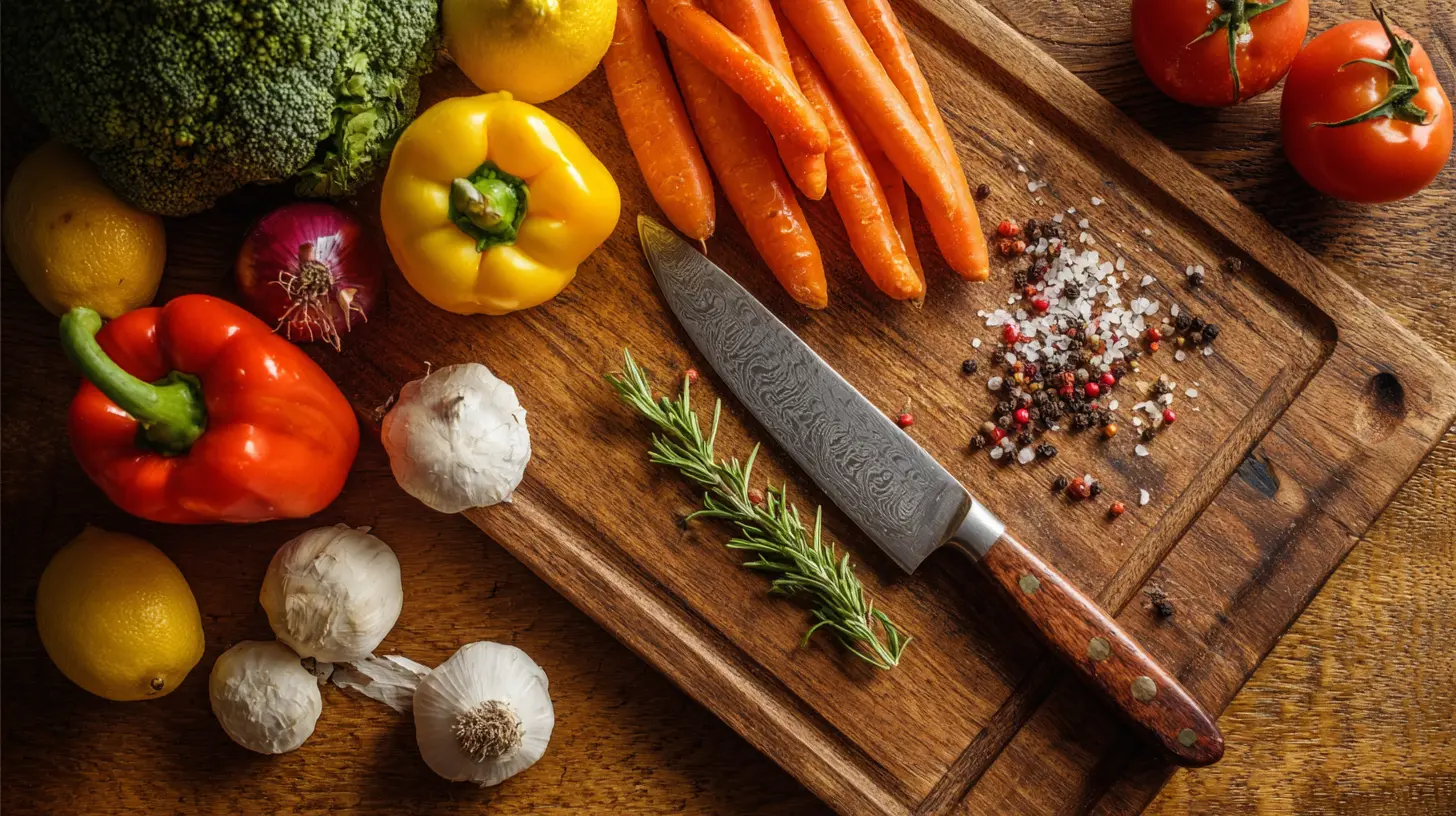
1. A Great Chef’s Knife (and How to Hold It): One 8-inch chef’s knife is worth a block of twenty dull ones. A sharp knife is safer and makes prep a joy, not a chore. Hold it by pinching the blade between your thumb and forefinger—this gives you control, like holding a pencil, not a hammer.2. A Large, Sturdy Cutting Board: Give yourself space to work. A large board prevents a messy, chaotic counter.
3. A Heavy-Bottomed Pot and Pan: Thin pans burn food. A decent heavy-bottomed skillet and a Dutch oven or large pot distribute heat evenly, giving you those beautiful sears and consistent simmers.
4. A Sheet Pan (Baking Tray): The unsung hero of easy, healthy cooking. Roasting vegetables, fish, or chicken on a sheet pan is a hands-off miracle for busy nights.
5. A Simple Blender or Immersion Blender: For transforming vegetables into silky soups, making quick sauces, or whipping up a smoothie in minutes.
Building a "Healthy Now" Pantry
A stocked pantry is your safety net. It means you can always whip up something good, even when the fridge looks bare.* The Flavor Brigade: Keep these dry goods on hand: sea salt, black peppercorns (with a grinder), garlic powder, onion powder, smoked paprika, cumin, dried oregano, and cinnamon. A bottle of extra-virgin olive oil and a neutral oil (like avocado) for cooking are essential.
* The Preserved Lifesavers: Canned beans (like chickpeas and black beans), canned diced tomatoes, tomato paste in a tube, low-sodium broths, and jars of capers or olives add instant depth and protein.
* The Grain & Legume Foundation: A bag of brown rice, quinoa, lentils, and whole-wheat pasta. These are your blank canvases.
* The Acid Arsenal: A bottle of apple cider vinegar, balsamic vinegar, and some fresh lemons or limes. Acid is the magic wand that brightens and balances any dish.
The Action Plan: Secrets to Transform Everyday Cooking
Now, let’s get into the practical magic—the techniques that will change how you interact with food.Secret #3: Master the Art of Mise en Place (Everything in its Place)
This fancy French term simply means: prep everything before you start cooking. Chop all your vegetables, measure your spices, have your oil and tools ready. It turns cooking from a frantic race into a calm, organized process. It’s the difference between a stressful scramble and feeling like a serene TV chef. You’ll never burn your garlic while frantically chopping an onion again.Secret #4: Become Best Friends with Your Oven (The Roasting Revelation)
If you learn only one cooking method by 2026, let it be roasting. It’s the ultimate beginner-friendly technique that delivers maximum flavor with minimal effort. Chop vegetables (broccoli, carrots, bell peppers, Brussels sprouts), toss them with oil, salt, and your favorite spices, and spread them on a sheet pan. Roast at 400°F (200°C) until caramelized and tender. The oven does the work, transforming humble veggies into sweet, crispy, irresistible bites. This works for chicken thighs, fish fillets, and tofu, too!Secret #5: The "Sauce & Dressings" Liberation
Store-bought sauces and dressings are often hidden sugar and preservative bombs. The secret to loving salads and grains? Make your own dressing. The formula is foolproof: 1 part acid + 3 parts oil + flavor. For example, the juice of one lemon (acid), 3 tablespoons of olive oil (oil), a teaspoon of Dijon mustard, a small minced garlic clove, salt, and pepper (flavor). Shake in a jar. You’ve just created something fresher, healthier, and more delicious than anything in a bottle. The same goes for simple sauces like a quick yogurt-herb sauce or a blended tomato sauce.Secret #6: Listen to the Sound of the Sizzle (The Sauté Secret)
Sautéing is about quick-cooking over medium-high heat. The secret is in the sound—a steady, lively sizzle. If it’s silent, your pan isn’t hot enough. If it’s screaming and smoking, it’s too hot. This technique is perfect for greens like spinach, sliced mushrooms, or shrimp. The key? Don’t overcrowd the pan. Give your ingredients room to breathe and brown, not steam in their own juices.Secret #7: Build a Bowl, Not Just a Meal
This is the ultimate template for a balanced, no-recipe-needed meal. Think of it as a delicious food pyramid in a dish.1. The Base: A whole grain or leafy green (quinoa, brown rice, spinach, kale).
2. The Protein: Grilled chicken, chickpeas, lentils, tofu, salmon, or a soft-boiled egg.
3. The Color: At least two different roasted or raw vegetables (the more color, the wider the range of nutrients!).
4. The Crunch: Something for texture—toasted nuts, seeds, or a few whole-grain croutons.
5. The Drizzle: Your homemade dressing or sauce.
Mix and match based on what you have. It’s creative, balanced, and impossible to mess up.
Planning for the Future: Habits for Lifelong Success
Mastery by 2026 isn’t about a single recipe; it’s about building sustainable habits.Secret #8: Batch Cooking & Strategic Leftovers
Cook once, eat two or three times. When you make a grain like quinoa or roast a tray of vegetables, double the batch. Store them in the fridge. Now, you have the building blocks for quick bowls, scrambles, or wraps throughout the week. A big pot of soup or chili tastes better the next day and makes lunches effortless.Secret #9: Read Labels Like a Detective, Shop the Perimeter Like a Local
When you do buy packaged foods, turn the box over. Look at the ingredient list. Fewer, recognizable ingredients is a good rule. And when you’re at the grocery store, spend most of your time in the “perimeter”—the outer aisles where the fresh produce, meats, fish, and dairy live. The inner aisles are where the highly processed foods lurk.Secret #10: The 80/20 Rule of Real-World Healthy Eating
Aim for nourishing, home-cooked meals 80% of the time. Leave 20% room for life—the pizza with friends, the birthday cake, the takeout night when you’re exhausted. This isn’t about being strict; it’s about being consistent without guilt. It’s what makes a healthy lifestyle stick for the long haul, all the way to 2026 and beyond.Your Journey Starts Now
Remember, every expert cook was once a beginner who burned the toast. The true secret is starting. Pick one secret from this list—maybe roasting vegetables or making a simple dressing—and try it this week. Celebrate the small wins. That moment you taste a dish you made from whole ingredients and think, “Wow, I made this, and it’s actually good?” That’s the magic. That’s you, mastering the art of feeding yourself well.By 2026, these practices won’t be secrets; they’ll be your second nature. You’ll walk into your kitchen not with anxiety, but with confidence, knowing you have the skills to create something wholesome and delicious. Your future self—healthier, happier, and probably hosting some great dinners—is waiting. Let’s get cooking.
all images in this post were generated using AI tools
Category:
Cooking TipsAuthor:

Laura Hudson
Discussion
rate this article
2 comments
Izaak Duke
This article offers valuable insights for beginners aiming to enhance their cooking skills. By incorporating fresh ingredients and simple techniques, readers can create nutritious meals that are both satisfying and enjoyable. It emphasizes the importance of learning foundational skills for a healthier lifestyle.
May 10, 2026 at 4:58 PM
Eleanor McMurtry
Absolutely loved this article! 🌟 It's so inspiring to see practical tips for beginners aiming to master healthy cooking. Can't wait to try out those secrets and whip up delicious meals! Here’s to a healthier lifestyle and unlocking our culinary creativity by 2026! 🥦🍳✨
April 16, 2026 at 4:24 PM
Laura Hudson
Thanks so much for your kind words! I'm thrilled you found the tips inspiring. Enjoy your cooking journey and here's to delicious meals ahead!