How Outdoor Workouts Can Help You Sleep Better
14 March 2026
Let’s face it—getting a good night’s sleep sometimes feels like an impossible task. You toss, you turn, you stare at the ceiling, hoping sleep will magically find you. If you’ve ever been there (and let’s be honest, we all have), let me introduce you to a natural remedy that doesn't involve counting sheep or downing melatonin: outdoor workouts.
Yep, something as simple as moving your body outside could be the missing puzzle piece to your sleep struggles. The fresh air, the sunlight, the sound of birds chirping—it all plays a surprising role in how quickly and deeply you sleep. So, grab your sneakers because we’re diving into how outdoor workouts can help you sleep better.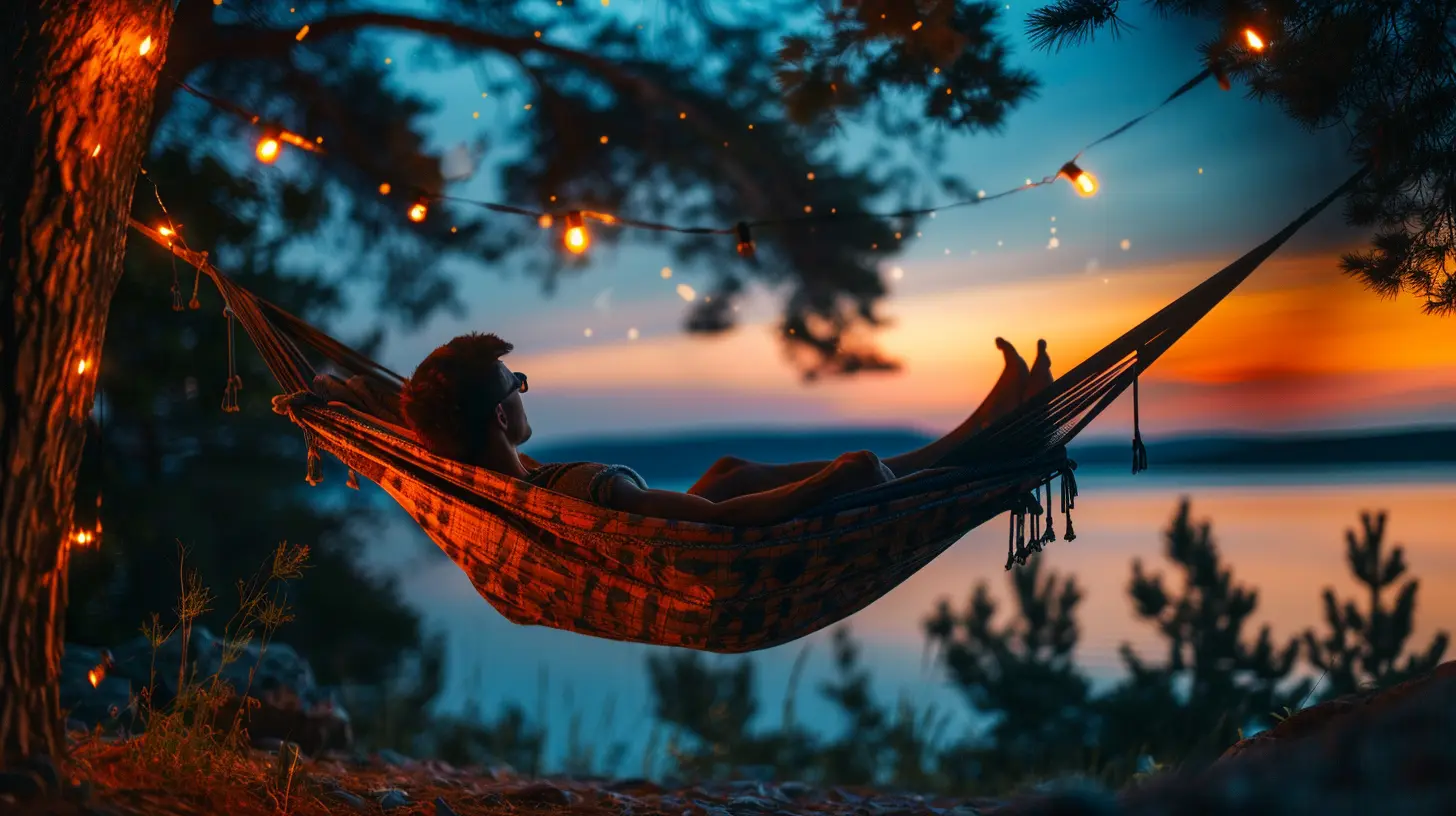
Why Sleep Matters More Than You Think
Before we talk about how to improve sleep, let’s talk about why it’s so crucial in the first place.Sleep isn't just rest. It's a full-body recharge. While you snooze, your brain processes memories, your muscles repair, your hormones balance out, and your immune system gets a boost. Without enough sleep? You wake up groggy, unfocused, and unusually cranky. Prolonged sleep deprivation can even lead to serious health issues like heart disease, obesity, and depression.
Sound important enough? Good. Now let’s talk about how outdoor workouts step in.
The Magic Combo: Exercise + Nature
You’ve probably heard that exercise helps you sleep better. And it’s true. But when you take that activity outside, the benefits multiply. Let’s break it down.1. Sunlight Helps Reset Your Body Clock
Our bodies run on a 24-hour cycle called the circadian rhythm. Think of it like your internal clock. Natural light is one of the most potent tools for syncing that clock to the right time. When you spend time outside—especially in the morning—you help reset your body’s sleep-wake cycle.So, when you jog, cycle, or walk in the daylight, you’re not just burning calories—you’re telling your brain when it’s time to be awake and when it’s time to wind down.
2. Outdoor Workouts Reduce Stress and Anxiety
Let’s be real, stress is a major sleep killer. If your brain is still buzzing from the day when your head hits the pillow, falling asleep isn’t going to happen so easily.Here’s where nature swoops in like a superhero.
Spending time outdoors has a calming effect on your mind. Green spaces, fresh air, and natural sounds lower levels of cortisol—the stress hormone. Combine that with the endorphins from a workout and you’ve got a killer combo for reducing anxiety and inviting peaceful sleep.
3. Physical Fatigue = Better Sleep
Ever notice how kids conk out after running around all day? It’s not magic—it’s movement.Physical activity makes your body tired in the best way. It helps you use up energy, so when bedtime rolls around, your body is ready to rest and recharge. Outdoor workouts tend to be more dynamic and varied than gym routines, giving you an even better shot at feeling that “good tired” by nighttime.
Types of Outdoor Workouts That Promote Sleep
The good news is, you don’t need to be an elite athlete or run marathons to get the sleep benefits. Let’s go through some outdoor activities that are sleep-friendly and beginner-approved.1. Walking
Don’t underestimate the power of a simple walk. A brisk 30-minute walk outside—especially in the morning sun—can work wonders for your sleep schedule.Pro tip: Try walking in a nearby park or trail for maximum nature exposure.
2. Running or Jogging
If you’re up for something more intense, jogging or running is a great option. It boosts your heart rate, burns energy, and gets those “feel-good” hormones flowing. Just be sure to avoid late-evening runs—they might leave you feeling too amped up to sleep.3. Hiking
Hiking is a double win. It combines the benefits of walking with full immersion in nature. Climbing hills, navigating trails, and breathing in fresh air can reduce mental chatter and physical restlessness that keeps you up at night.4. Yoga in the Park
Take your mat outside and flow under the sky. Outdoor yoga taps into deep breathing, mindfulness, and relaxed movement—all of which prep your body and mind for restful sleep.5. Cycling
Whether it's a leisurely ride or a more intense cycle session, pedaling through your neighborhood or along a bike trail offers a perfect balance of cardio and relaxation.
Best Time to Work Out Outside for Quality Sleep
Timing is everything when it comes to sleep.Morning outdoor workouts are ideal. You're getting early sunlight, boosting your circadian rhythm, and setting a positive tone for the day. Plus, your body is more alert and less prone to evening restlessness.
Afternoon workouts are also fine—just try to finish at least 3–4 hours before bed. That way, your body has enough time to cool down and slide into sleep mode.
Evening workouts? Not necessarily bad, but keep them light. A slow walk or some gentle stretching might help you wind down, but an intense boot camp session at 9 PM could backfire.
How Long and How Often Should You Work Out?
You don’t need to spend hours outside to see results. Just 20 to 30 minutes of outdoor movement, 4 to 5 days a week, can make a noticeable difference in your sleep quality.Of course, consistency is key. Think of it like watering a plant—it’s the regular care that helps it grow. The more steady your routine, the better your sleep will become over time.
Bonus Benefits: More Than Just Sleep
Still on the fence? Outdoor workouts come with a handful of other perks that are just too good not to mention.Boosted Mood
Thanks to those endorphins and vitamin D, outdoor exercise is a natural mood booster. It’s like walking into your own built-in therapy session—with no couch or co-pay required.Enhanced Immune Function
Fresh air and moderate exercise can give your immune system the boost it needs to fight off colds, flus, and other invaders.Improved Focus
When you sleep better, you think better. Daytime clarity and productivity get a major upgrade when your body is well-rested.Tips to Make the Most of Outdoor Workouts
If you're ready to give it a try (and I hope you are!), here are some quick tips to get started:- Start small. Don’t aim for a 10-mile hike on day one. Begin with short walks and build up.
- Morning is best. Get sunlight early to reset your internal clock.
- Dress for the weather. Layers and breathable fabrics can make outdoor time more comfortable.
- Be mindful. Put away the phone, headphones, and distractions. Just be present.
- Stay hydrated. Especially if you're out in the sun. Water helps your body regulate temperature and energy.
What If You Still Can’t Sleep?
Outdoor workouts aren’t a magic pill (though they’re pretty darn close). If you’re still struggling to sleep after several weeks of consistent outdoor exercise, you might want to:- Check your sleep hygiene—no screens before bed, cool dark room, etc.
- Keep a sleep journal—track your bedtime, wake time, activity levels, and how you feel.
- Talk to a medical professional—sometimes persistent sleep problems signal something deeper.
Final Thoughts: Small Steps for Big Changes
Getting better sleep doesn’t have to mean overhauling your entire lifestyle. Sometimes, it’s as simple as lacing up your shoes and stepping outside. Outdoor workouts offer a natural, accessible way to reset your body, ease your mind, and invite quality sleep.Just remember—it’s not about being perfect. It’s about showing up. Your body and your sleep will thank you for it.
So, what do you say? Ready to take your workouts outdoors and give your sleep a real shot at greatness?
all images in this post were generated using AI tools
Category:
Outdoor WorkoutsAuthor:

Laura Hudson
Discussion
rate this article
2 comments
Rachel McRae
Great article! It’s amazing how outdoor workouts can transform our sleep quality. Connecting with nature while exercising not only boosts physical health but also fosters mental well-being. Embrace the fresh air and watch your sleep improve—nature has so much to offer!
March 16, 2026 at 3:38 AM
Laura Hudson
Thank you! I'm glad you found the article insightful. Nature truly has a remarkable impact on our overall wellness.
Rosanna Gutierrez
This article beautifully highlights the connection between outdoor workouts and improved sleep quality. I’ve personally experienced better rest after exercising outside, as the fresh air and natural light enhance my mood and energy. It’s a simple yet effective approach to achieving a healthier sleep routine.
March 15, 2026 at 5:08 AM
Laura Hudson
Thank you for sharing your experience! I'm glad to hear that outdoor workouts have positively impacted your sleep and mood. Your insights truly highlight the benefits of exercising in nature.