How to Practice Self-Compassion and Boost Your Mental Health
8 April 2026
Let’s get real for a second—life gets hard. Some days you're on top of the world, crushing goals like a pro. Other days? You're curled up in bed, stressing over the 10 things you did wrong yesterday. Sound familiar?
Now, here’s the thing: we’re great at being kind to others. If your best friend messes up, you’d probably say something like, “It’s okay, we all make mistakes. You’re only human.” But when it comes to ourselves? We turn into our own harshest critics.
That's where self-compassion swoops in like a warm, cozy blanket for your bruised soul. It's not fluffy new-age stuff—it’s backed by science and can seriously upgrade your mental health game.
If you’re ready to ditch the inner bully and start treating yourself with some much-needed kindness, stick around. We’re diving deep into how to practice self-compassion and boost your mental health—no sugarcoating, just real talk.
What is Self-Compassion, Anyway?
Self-compassion is basically giving yourself the same kindness, care, and understanding that you'd offer to someone you love. Think of it as being your own best friend.It’s made up of three key ingredients:
- Self-kindness – Being gentle with yourself instead of critical.
- Common humanity – Understanding that everyone struggles—it’s part of being human.
- Mindfulness – Being aware of your pain without exaggerating it or pushing it away.
When you blend all that together, you get a powerful mental health tool that can lower anxiety, reduce depression, and build emotional resilience. Pretty sweet, right?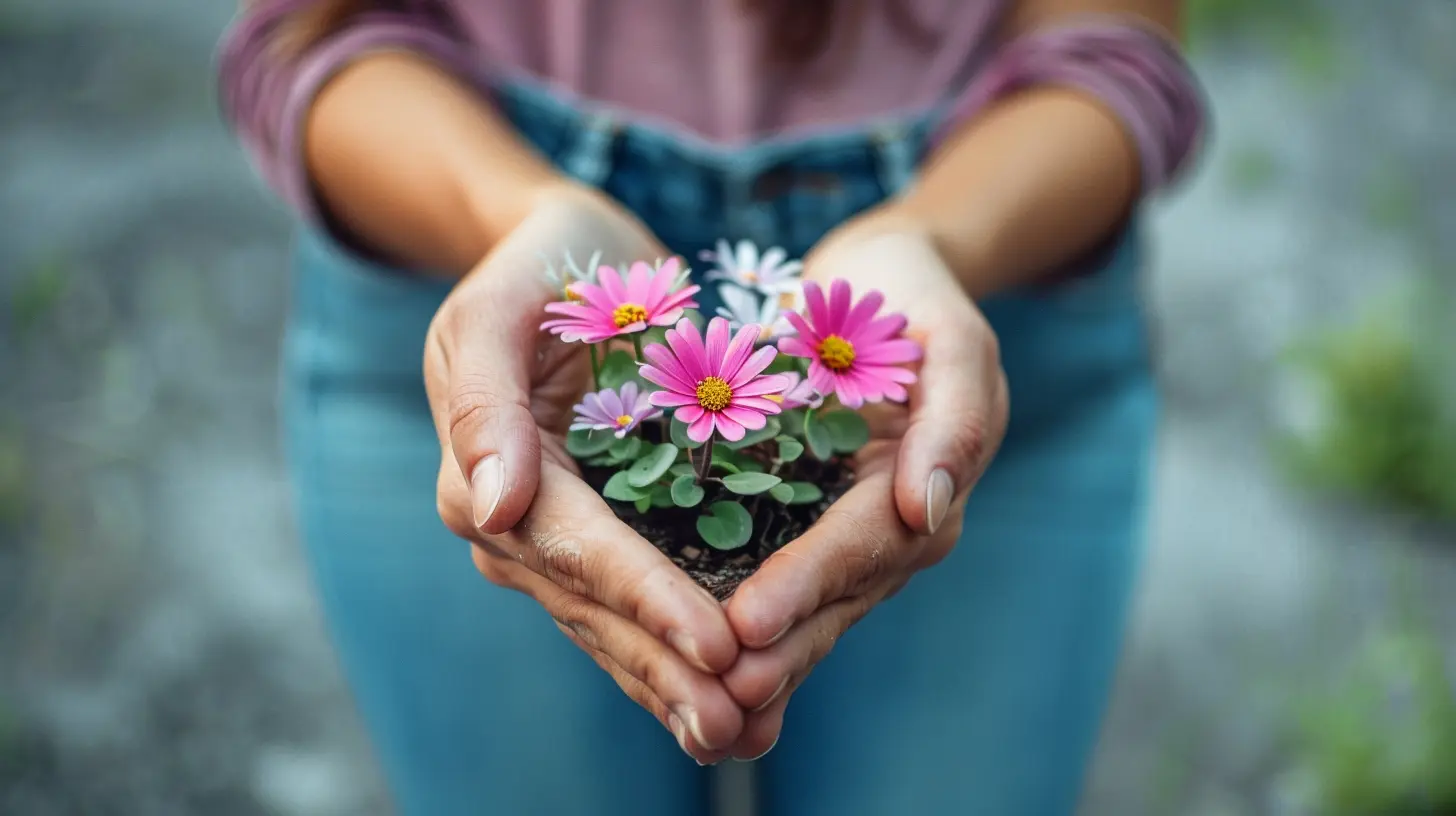
Why Self-Compassion Matters More Than You Think
You might be thinking, “I just need to be tougher. Toughen up = success.” Nah, that’s a myth. Beating yourself up doesn’t make you stronger. It just makes you... bruised.Here’s what self-compassion can actually do for you:
- Reduces anxiety and depression
- Improves emotional regulation
- Boosts motivation (yes, kindness is more motivating than criticism!)
- Increases self-worth
- Improves relationships with others
- Makes you more resilient during tough times
So, yeah, it’s kind of a big deal.
The Big Misconception: Is Self-Compassion Just Self-Pity?
Let’s clear the air. Self-compassion is NOT feeling sorry for yourself.Self-pity says, “Poor me, my life is the worst.”
Self-compassion says, “This is really hard right now, and I deserve care and support.”
See the difference?
Self-compassion doesn't let you wallow—it helps you stay grounded and move forward. It’s the toolkit your mental health wishes you’d start using more often.
Signs You Might Be Lacking Self-Compassion
Let’s take a quick self-check. Do any of these sound familiar?- You constantly criticize yourself for even the tiniest mistakes.
- You feel like you’re never good enough (no matter what you do).
- You avoid your feelings or distract yourself from emotional pain.
- You compare yourself to others and always come up short.
- You believe you have to be perfect to be loved or accepted.
If you’re nodding along, you’re not alone. And the good news? You can turn it around.
How to Practice Self-Compassion and Boost Your Mental Health
Alright, now onto the good stuff. How exactly do you build this magical thing called self-compassion?1. Notice Your Inner Critic (and Talk Back)
That little voice in your head that’s always shouting, “You suck!”? Yeah, it needs to chill.Start listening to how you talk to yourself. Would you say those things to a friend? No? Then don’t say them to yourself.
Try this: When you mess up, stop and say, “This is hard right now, but failure is part of learning. I’m doing the best I can.”
Rewriting that internal dialogue is step one.
2. Embrace Your Imperfections
Perfection is a trap. Social media makes it seem like everyone else has their lives perfectly together. Truth bomb: nobody does.Flaws, failures, and awkward moments—they're part of the deal.
Give yourself permission to be imperfect. The goal is progress, not perfection. It’s okay to be a work in progress.
3. Practice Mindfulness
No, you don’t have to meditate on a mountaintop.Mindfulness is just paying attention—on purpose, without judgment.
When you’re overwhelmed, pause and check in with yourself. What am I feeling right now? Where is this feeling sitting in my body?
Don’t label your experience as “good” or “bad.” Just let it be, like clouds drifting across the sky.
4. Speak to Yourself Like a Friend
Imagine your best friend is going through what you’re going through. What would you say?Try writing a letter to yourself—as if you were writing to someone you care deeply about. You’ll be surprised how kind your words can be when you shift perspective.
Don’t be afraid to say, “Hey, I know this sucks right now, but it doesn’t mean you’re a failure. You’re learning, and you’re growing.”
5. Set Boundaries for Your Mental Health
Self-compassion also means knowing when to say no. You can’t pour from an empty cup.If you’re constantly putting everyone else’s needs before your own, resentment builds—and mental exhaustion follows.
Respect your time, your energy, and your well-being. That’s not selfish, it’s smart.
6. Celebrate Small Wins
We’re so quick to celebrate other people’s achievements—graduations, promotions, even 30-day fitness streaks.But what about our own wins? Even the tiny ones, like getting out of bed on a hard day, deserve props.
Make it a habit to acknowledge what you’re doing right. One small win at a time adds up to big change.
7. Journal Your Experience
Writing stuff down isn’t just for angsty teenagers.Journaling is a great way to process emotions and track your self-compassion journey. You don’t need a fancy notebook or perfect grammar—just write what you feel.
Try prompts like:
- What would I say to a friend going through this?
- What’s one thing I did today that I’m proud of?
- How can I be kinder to myself right now?
Your journal becomes your sounding board, your safe space.
8. Surround Yourself With Kindness (Yes, That Includes People)
You can’t bloom in toxic soil.If the people around you are negative, judgmental, or emotionally draining—guess what? That’s going to affect how you treat yourself.
Surround yourself with people who lift you up, support your growth, and remind you of your worth. Choose your circle wisely.
Real Talk: Self-Compassion Isn’t Always Easy
Let’s not pretend otherwise—it takes time to rewire years of self-beatdowns.Some days, being kind to yourself will feel like swimming upstream. You’ll fall back into old habits. That’s okay. Be compassionate about that too.
Self-compassion is a practice, not a destination. You build it in tiny moments of awareness and intentional kindness—one breath, one choice, one thought at a time.
The Ripple Effect: How Self-Compassion Boosts Mental Health
When you start treating yourself with more care, everything shifts:- You stress less.
- You sleep better.
- Your self-talk improves.
- Your decisions become healthier.
- You bounce back from setbacks faster.
It’s like putting on emotional armor—only instead of shielding you from pain, it helps you move through it with grace.
Final Thoughts: Be Your Own Safe Haven
We live in a world that’s constantly demanding more—more hustle, more success, more perfection.But what if you gave yourself more grace instead?
Practicing self-compassion is like turning down the noise of the world and tuning into the truth: You are enough. Exactly as you are. Right now.
So next time you’re tempted to beat yourself up, try this instead:
Pause. Breathe. Be kind.
Maybe the most powerful act of self-care isn’t bubble baths or green juice. Maybe it’s simply telling yourself, “I’m doing okay. I’ve got my own back.”
And that, my friend, is how you boost your mental health—one kind thought at a time.
all images in this post were generated using AI tools
Category:
Healthy LifestyleAuthor:

Laura Hudson
Discussion
rate this article
2 comments
Poppy Myers
Embracing self-compassion is a powerful step towards healing. Remember, you are worthy of love and understanding, especially from yourself. Treat yourself with kindness, celebrate small victories, and watch your mental health flourish. You've got this!
April 19, 2026 at 3:02 AM
Leslie McMahan
Practicing self-compassion is essential for mental health; it fosters resilience and promotes overall well-being. Embrace kindness!
April 15, 2026 at 2:57 PM
Laura Hudson
Thank you for your insightful comment! I completely agree—self-compassion is a key pillar for mental health and resilience. Embracing kindness truly transforms our well-being!