How to Shop for Organic Superfoods on a Budget
3 May 2026
In today’s world, health is wealth—literally. Everyone’s chasing better energy, stronger immunity, and glowing skin. And what’s one of the hottest trends to help with that? Superfoods. But not just any kind—organic superfoods.
Here’s the thing though: organic often comes with a hefty price tag. So, how do you fuel your body with nutrient-packed foods without draining your wallet? I’ve got you covered. Let’s dive into some down-to-earth strategies that’ll help you shop for organic superfoods on a budget, without sacrificing quality or your sanity.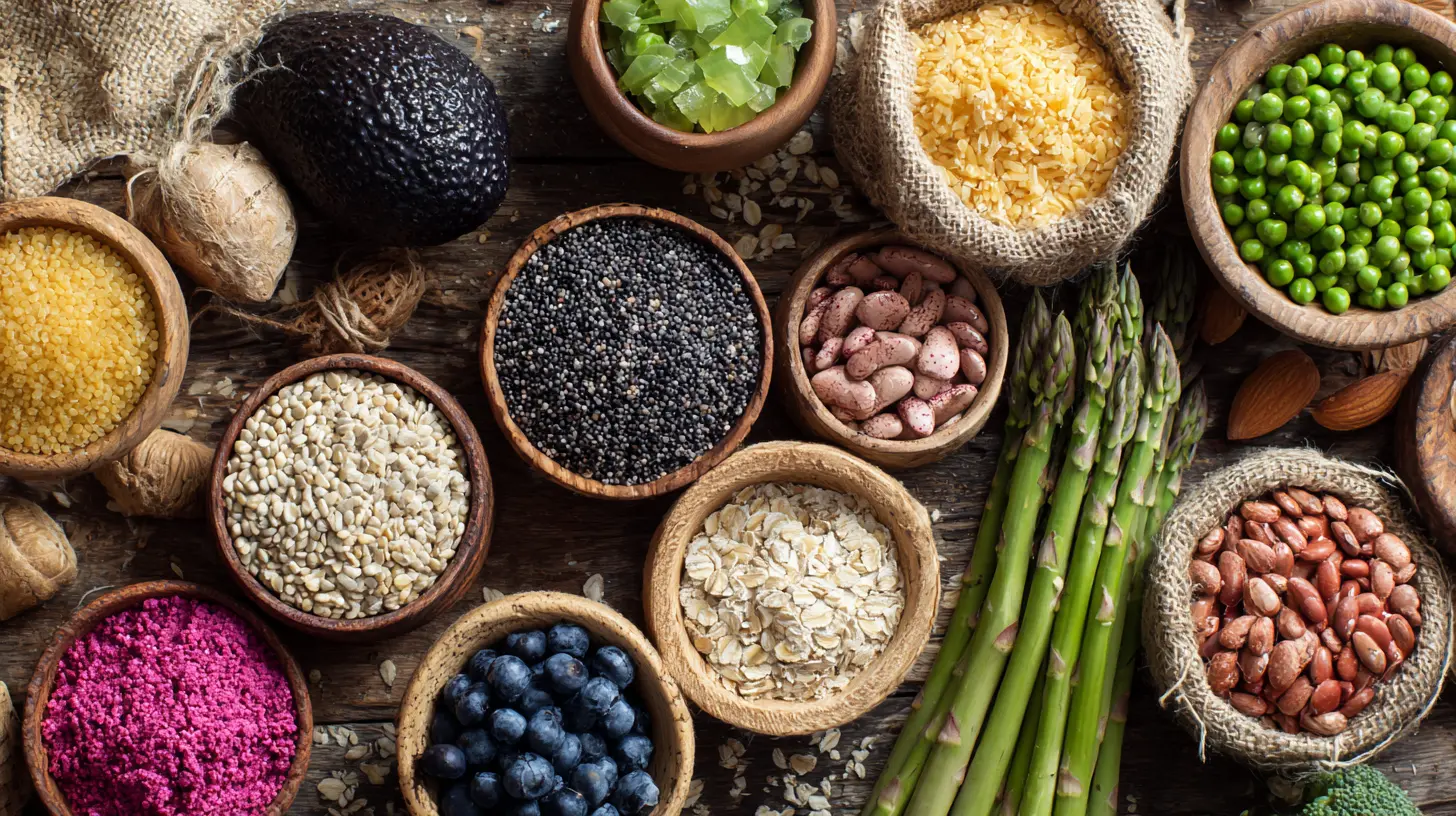
What Are Organic Superfoods Anyway?
Alright, before we start making shopping lists, let’s break things down.Superfoods are foods that are packed to the brim with nutrients—vitamins, minerals, antioxidants, and other good stuff. Think berries, leafy greens, seeds, nuts, and exotic powders like spirulina or maca.
Now, when we say organic, we mean these items are grown without synthetic pesticides, fertilizers, or genetically modified organisms (GMOs). It’s better for your body and for the planet.
Sounds amazing, right? But also... kinda expensive. Let’s fix that.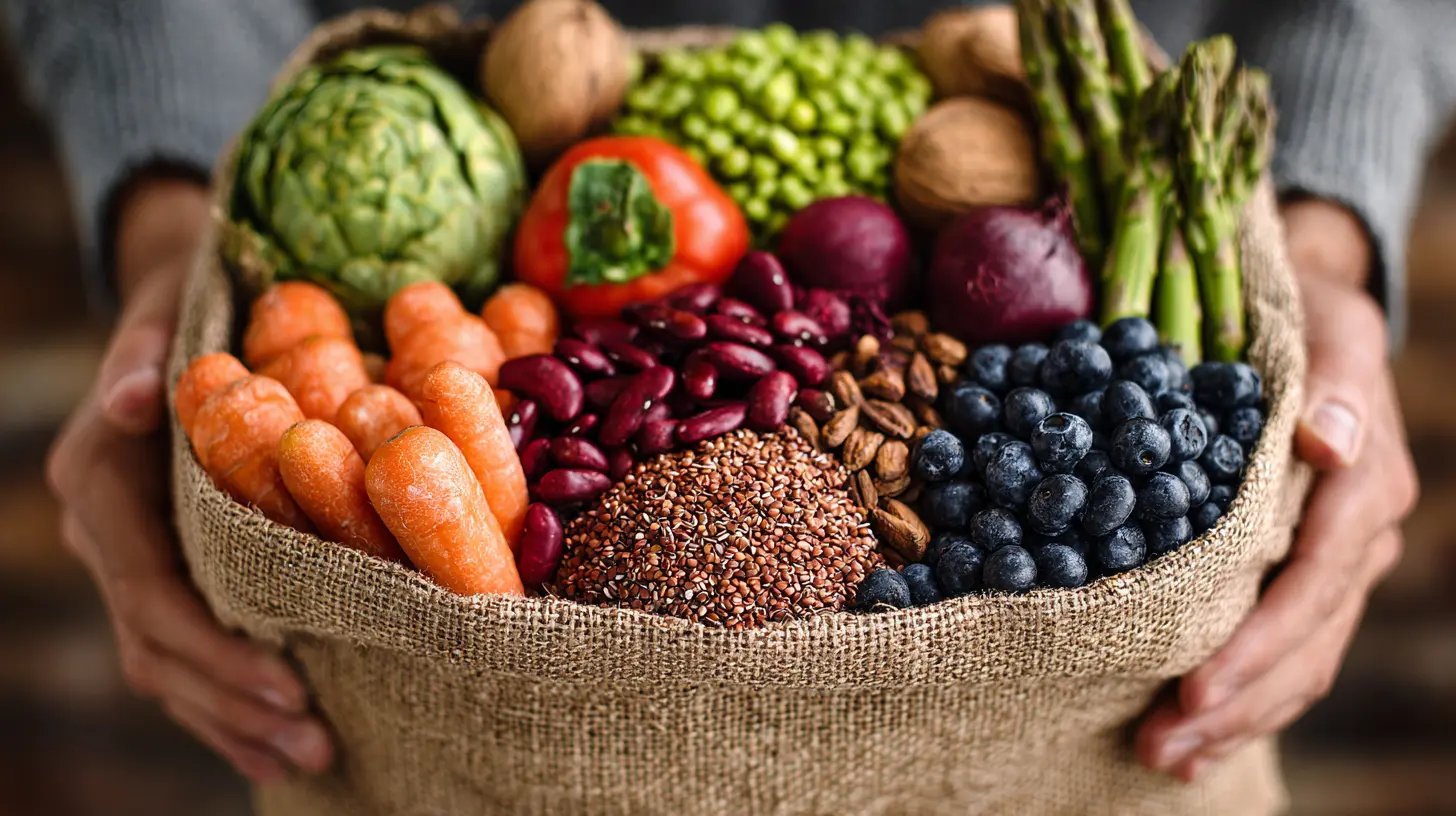
1. Start with a Budget-Friendly Superfood List
Not all superfoods are unicorn-level rare and pricey. Some are already hanging out in your kitchen—and yep, they come in organic form too.Here are some affordable and easy-to-find organic superfoods:
- Oats – High in fiber, great for your heart and budget-friendly.
- Carrots – Loaded with beta-carotene and super cheap.
- Sweet potatoes – Packed with nutrients and super satisfying.
- Bananas – A potassium powerhouse and usually under a buck.
- Cabbage – Super affordable, underrated, and nutrient-rich.
- Sunflower seeds – A great source of healthy fats.
- Beans and lentils – Full of protein and fiber, and crazy cheap.
- Kale (when in season) – A classic leafy green with a superfood resume.
? Pro tip: Skip the imported, trendy superfoods that cost a fortune (we’re looking at you, goji berries). Focus on what's local and in season—it’ll always be less expensive.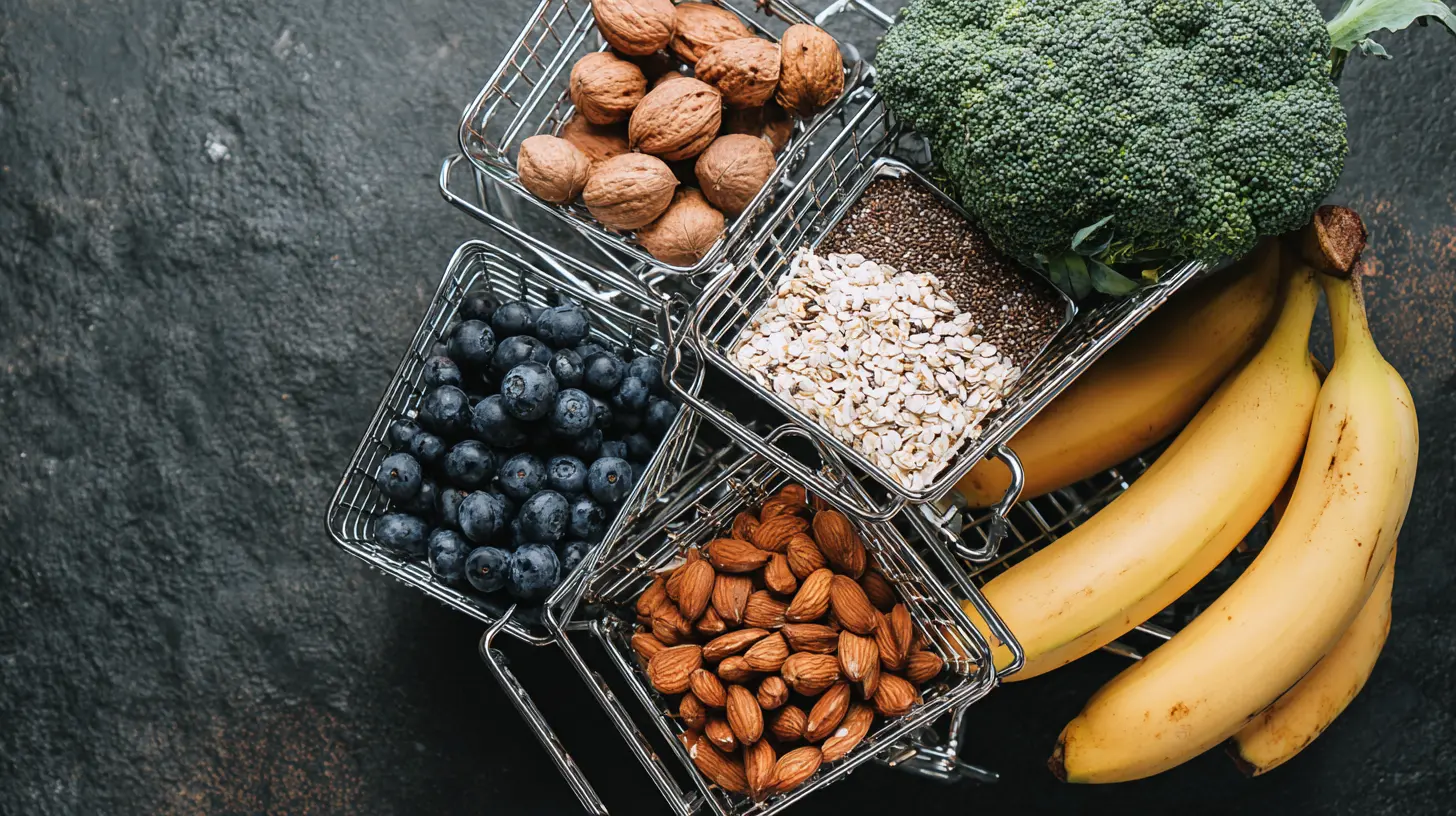
2. Buy In Bulk (Especially Online)
When it comes to nuts, seeds, grains, and dried fruits, buying in bulk is a game-changer.Not only do you save money per ounce, but you also cut back on packaging waste. Win-win!
Here’s what you should look for:
- Head to bulk bins at health food stores or co-ops.
- Try online retailers like Thrive Market, BulkSupplements, or Amazon for deals.
- Buy items you use often—chia seeds, quinoa, brown rice, etc.
⚠️ Just make sure you've got airtight containers at home. No one wants pantry moths, trust me.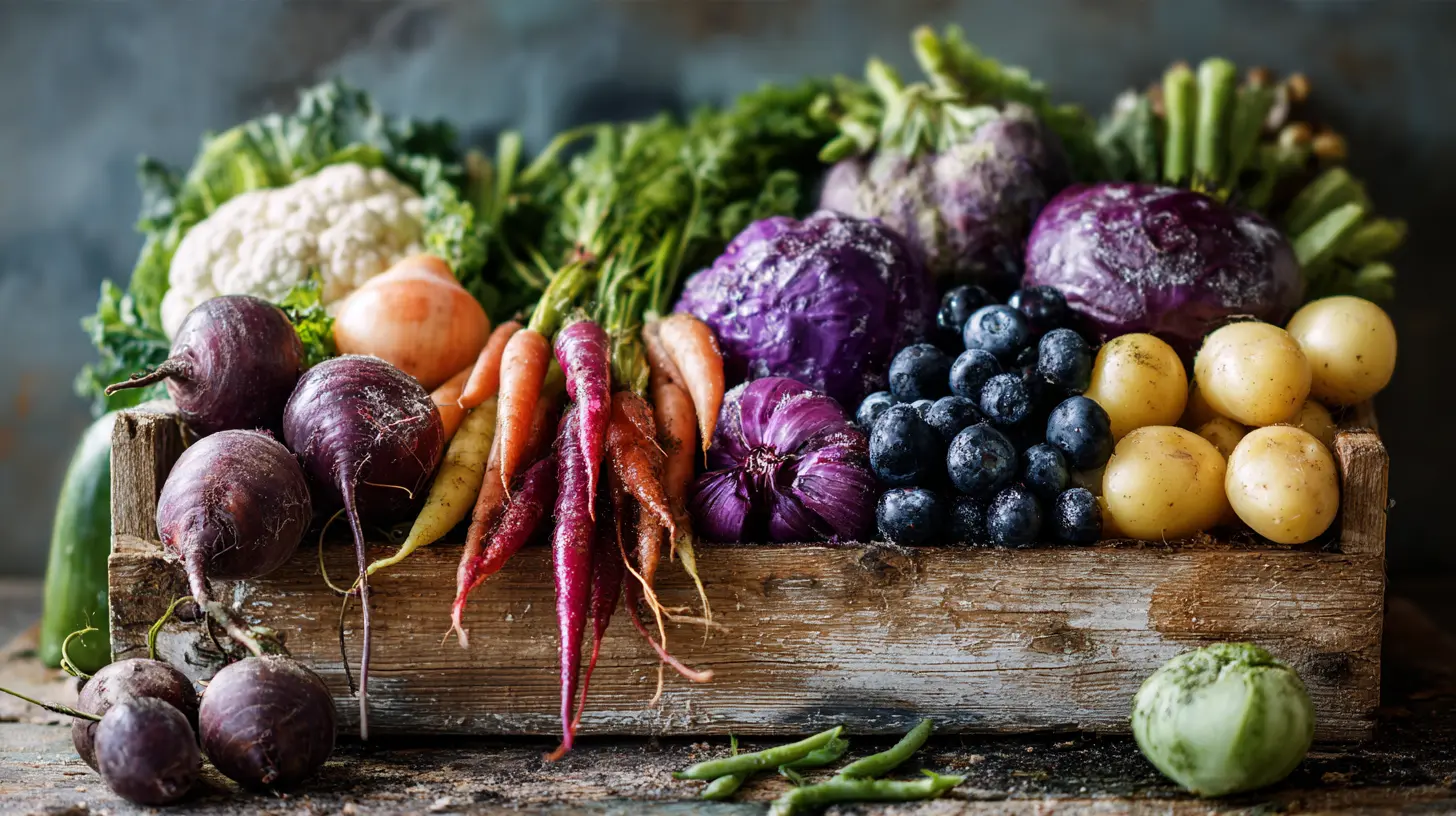
3. Shop Seasonally (And Freeze What You Can)
Ever noticed how strawberries cost $2 in June, but $8 in January? That’s seasonal pricing in action.Shopping seasonally means you get the freshest produce at its lowest price point. Here’s a quick trick: shop at farmer’s markets or check seasonal produce charts for your area.
Once you’ve scored some deals, freeze your haul:
- Wash, chop, and toss those berries or greens into freezer bags.
- Same goes for herbs—freeze them in olive oil in an ice cube tray.
This way, you lock in nutrients and flavor, and extend their life for smoothies, soups, or stir-fries.
4. Join a CSA or Look for Local Co-ops
Ever heard of Community Supported Agriculture (CSA)? It’s basically like a subscription box for organic produce—from a local farm.You pay a monthly or seasonal fee and get a fresh box of farm-grown goodies, often including organic fruits, veggies, and sometimes even fresh eggs or herbs.
Why it’s awesome:
- You get a variety of items you might not normally buy.
- It supports local farmers.
- It’s usually far cheaper per pound than store-bought organic items.
There’s also food co-ops, which are community-owned grocery stores. You might become a member, volunteer a few hours, and get deep discounts on organic food.
5. Use Coupons, Apps, and Reward Programs
Who says tech can’t help you eat better?There are so many apps and rewards programs that offer discounts, cashback, and digital coupons specifically for organic and health foods.
Check out:
- Ibotta – Earn cashback for buying select organic items.
- Fetch Rewards – Scan your receipt for points.
- Flipp – Find deals and match up coupons with store prices.
- Store loyalty apps – Whole Foods, Kroger, Sprouts, and others have digital coupons.
Sure, it takes a few extra minutes—but the savings really add up over time. And hey, every dollar counts.
6. Don’t Be Afraid of Store Brands
A lot of people assume store brands = lower quality. But when it comes to organic, that’s just not true.Stores like:
- Trader Joe’s
- ALDI
- 365 by Whole Foods
- Simple Truth from Kroger
...offer high-quality organic superfoods at a fraction of the cost. You’re often paying less simply because there’s no flashy marketing or middleman.
So yeah, always compare prices and check labels. You might be surprised at what you find.
7. Reduce Waste, Save Cash
Here’s something nobody talks much about: food waste = wasted money.Think about the spinach you forgot in the back of the fridge. That might as well be cash thrown in the bin.
Here’s how you can reduce waste and get the most out of your organic buys:
- Meal plan before shopping so you only buy what you need.
- Do a fridge check to use up aging produce first.
- Use scraps! Make soups, smoothies, or even compost for your garden.
- Store food properly – leafy greens like to be wrapped in a paper towel in the fridge. Onions and potatoes? Keep ’em in a cool, dark place.
Being mindful about what you have keeps your budget—and your body—on track.
8. Grow Your Own Easy Superfoods
No green thumb? No worries. You don’t need a full-blown garden to grow a few organic goodies at home.Start small:
- Herbs like basil, parsley, or mint grow well on windowsills.
- Sprouts take DAYS and need only a jar and some water.
- Greens like lettuce or spinach grow in pots or containers.
Growing your own means you know exactly what’s going into your food—and there’s no price tag better than free.
9. Choose Priorities: Go Organic on the "Dirty Dozen"
If your budget's tight, you don’t have to buy everything organic. Focus on the "Dirty Dozen"—these are the fruits and veggies that usually have the highest pesticide residue when conventionally farmed.The Environmental Working Group updates this list annually, but here are the usual suspects:
1. Strawberries
2. Spinach
3. Kale
4. Apples
5. Grapes
6. Peaches
7. Cherries
8. Pears
9. Tomatoes
10. Celery
11. Potatoes
12. Bell Peppers
Buying these organic makes the biggest impact. For others (like avocados, onions, or pineapples), conventional is just fine and easier on your wallet.
10. Prep and Cook at Home
Buying a pricey smoothie at a juice bar might feel healthy, but making your own at home? That’s next-level smart.Prepping and cooking your own meals helps in three major ways:
1. You control what goes in (hello, clean ingredients).
2. You save BIG compared to pre-packaged health foods.
3. Batch cooking = fewer impulse buys and food waste.
Try making:
- DIY trail mix with bulk seeds and nuts.
- Your own granola using oats, honey, and coconut oil.
- Smoothie packs (freeze fruit, dump in blender with plant milk later).
Health food doesn’t have to mean fancy food. It just means real food—and often, the simpler, the better.
11. Be Patient and Consistent
Let’s be real—switching to organic superfoods and staying within budget doesn’t happen overnight. But with consistent habits and a little creativity, it becomes second nature.Start where you can. Swap one or two items a week. Use what you’ve got. And give yourself some grace—progress always beats perfection.
Once you start reaping the benefits (hello, more energy and fewer sick days), you’ll wonder why you didn’t do it sooner.
Final Thoughts
Shopping for organic superfoods on a budget isn’t about deprivation—it’s about smart choices.You don’t need to spend a fortune to take care of your body. You just need a little know-how, a dash of patience, and maybe a bit of freezer space.
So next time someone says eating healthy costs too much? You’ll know better—and you’ll have the receipts (literally and figuratively) to prove it.
Here’s to eating clean and saving green!
all images in this post were generated using AI tools
Category:
SuperfoodsAuthor:

Laura Hudson
Discussion
rate this article
2 comments
Stella McNeil
Shopping for organic superfoods on a budget can feel tricky, but with a little planning and creativity, it's totally doable. Let's eat healthy without breaking the bank... we got this!
July 1, 2026 at 4:01 PM
Zephyrwind McKinley
Shopping for organic superfoods on a budget is totally achievable. Focus on seasonal produce, buy in bulk, and prioritize quality over quantity. Your health and wallet will thank you. Go for it!
May 5, 2026 at 2:26 PM
Laura Hudson
Thanks for the great tips! Staying mindful about seasonal produce and bulk buying really makes a difference. I'll keep those in mind.