Micronutrients Essential for Bone Health
18 June 2026
Ever stopped to think about what keeps your bones strong and sturdy? Most of us jump straight to calcium, which—let’s be honest—is the poster child for bone health. But here’s the truth: calcium isn’t the only nutrient doing the heavy lifting. There’s a whole team of unsung heroes working behind the scenes to keep your skeleton solid. Let’s shine a spotlight on those tiny but mighty players — micronutrients essential for bone health.
Whether you're hoping to prevent osteoporosis, recovering from a fracture, or just aiming to stay active long into old age, knowing your micronutrients is the first step in building a rock-solid foundation.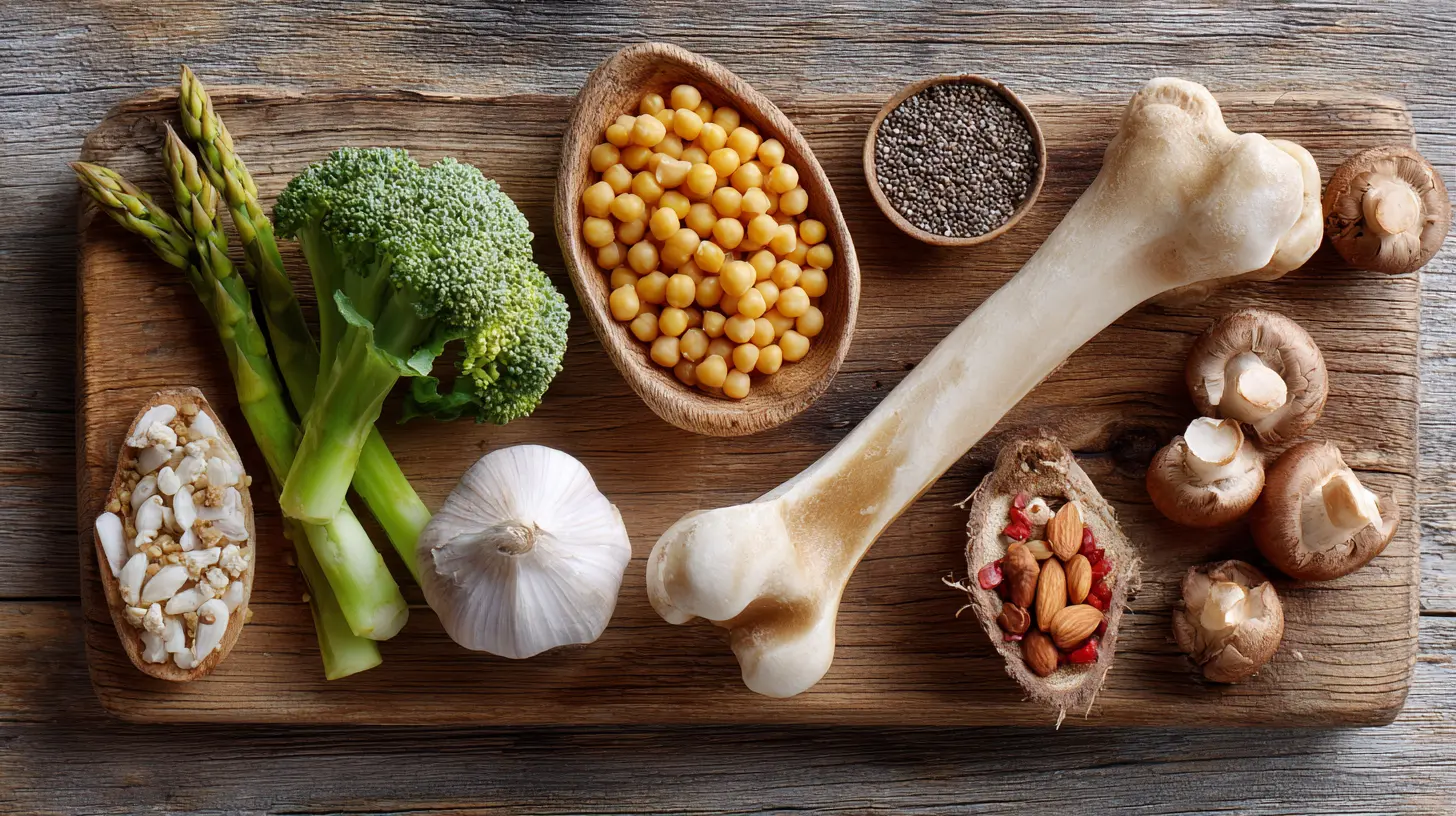
Why Bone Health Should Be on Your Radar
Think your bones are just lifeless scaffolding? Think again. Bones are living, breathing tissue. They’re constantly changing—breaking down and rebuilding. This process, called remodeling, happens throughout your life. But as we get older, the breakdown speeds up, and the rebuilding can’t always keep pace. That’s when bones become brittle and prone to fractures.It’s not just the elderly who need to watch out. Poor bone health can start early—thanks to bad diets, lack of exercise, or even too much soda (yes, really). So, whether you’re 25 or 75, this concerns you.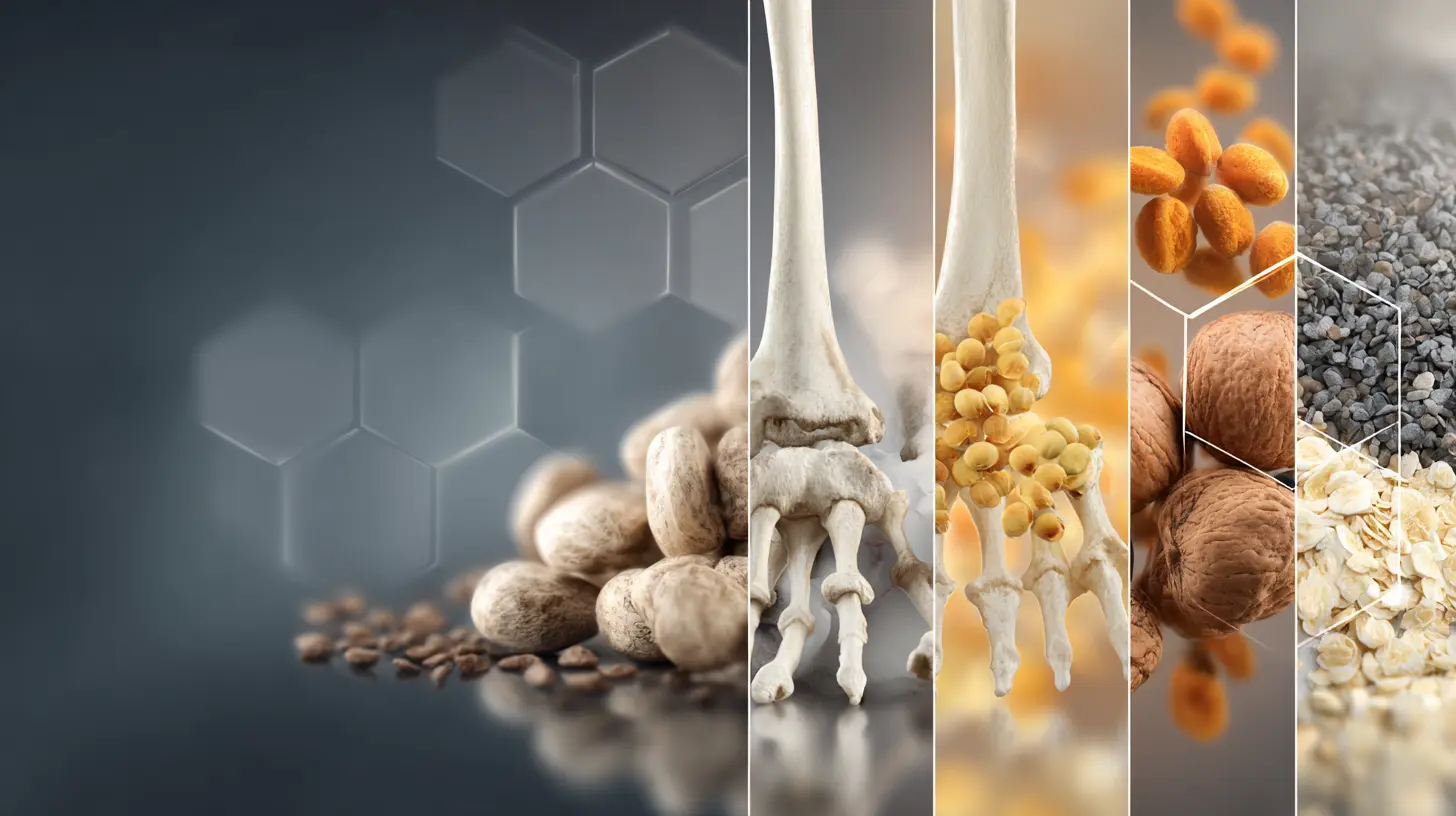
What Are Micronutrients?
Before we dive in, quick refresher: Micronutrients are vitamins and minerals that our bodies need in small amounts. Unlike macronutrients (carbs, fats, and protein), they don’t provide energy, but they play crucial roles in almost every bodily function—including bone health.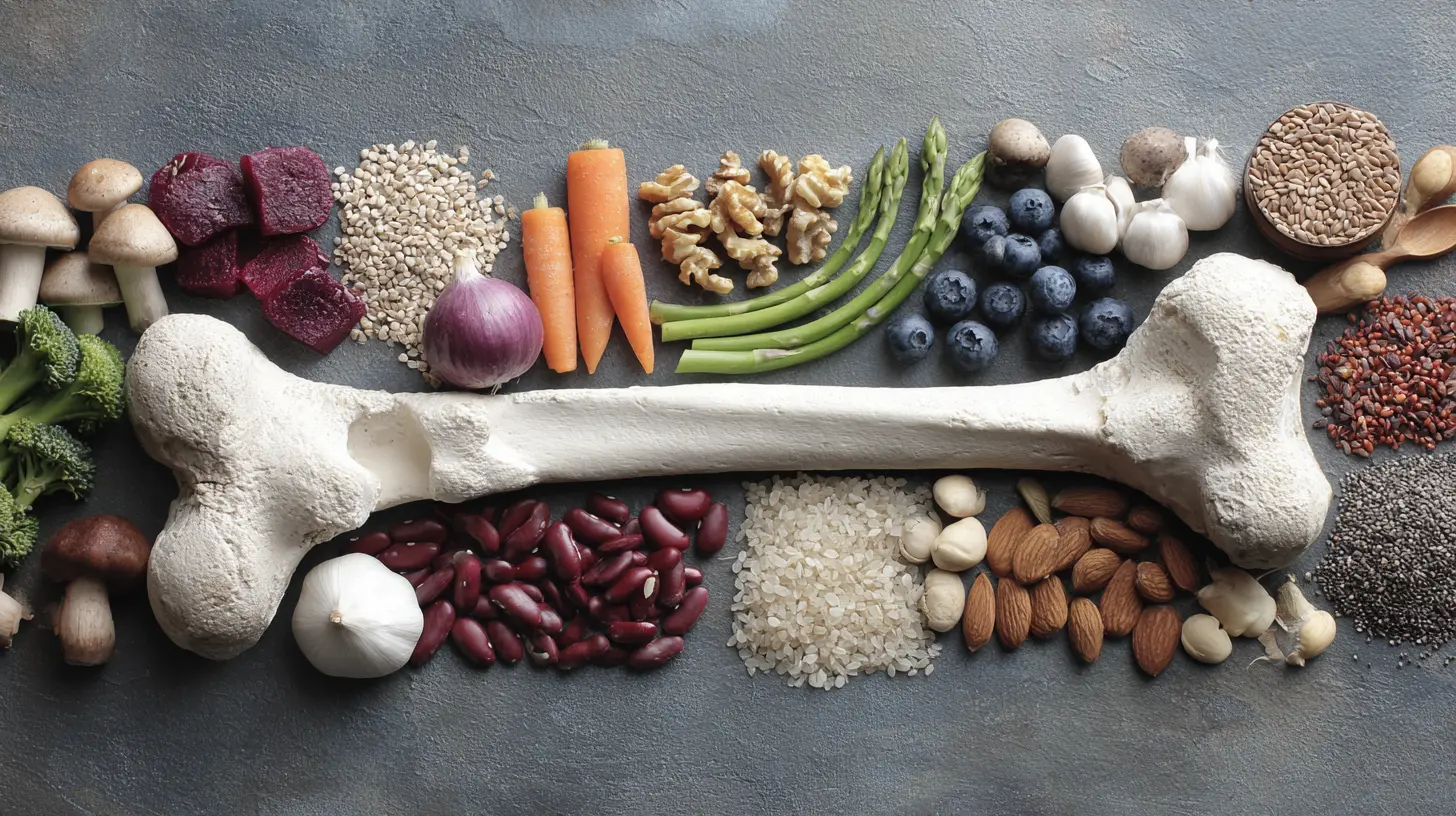
The Bone-Building Dream Team of Micronutrients
Let’s break down the key micronutrients your bones are begging for—and why each one matters.1. Calcium – The Superstar (But Not the Only One)
We couldn’t skip calcium even if we tried. It makes up a major part of your bone structure, acting like the bricks in the wall. Without enough calcium, your body starts pulling it from your bones to keep blood levels steady—which obviously weakens your skeleton.How Much You Need:
- Adults (19-50 years): 1,000 mg/day
- Women over 50 & Men over 70: 1,200 mg/day
Top Food Sources:
- Dairy products (milk, yogurt, cheese)
- Leafy greens (kale, bok choy)
- Almonds and fortified foods
Pro Tip: Calcium doesn’t work alone—it needs a few teammates to get the job done.
2. Vitamin D – The Gatekeeper
You can eat all the calcium in the world, but without enough vitamin D, your body won’t absorb it properly. Think of vitamin D as the key that opens the door so calcium can actually get into your bloodstream and bones.Sunshine Vitamin, Anyone?
Your skin produces vitamin D when exposed to sunlight. That’s why it’s called the sunshine vitamin. But thanks to desk jobs and sunscreen, many people are deficient.
Daily Needs:
- Adults up to 70: 600 IU/day
- Adults over 70: 800 IU/day
Where to Get It:
- Sunlight (10–30 mins a few times a week)
- Fatty fish (salmon, mackerel)
- Fortified milk or cereals
- Supplements (especially in winter)
3. Magnesium – The Silent Supporter
Magnesium is like the backstage crew—quiet but vital. It helps convert vitamin D into its active form, so your body can actually absorb that calcium. It also contributes directly to bone structure.Recommended Intake:
- Men: 400–420 mg/day
- Women: 310–320 mg/day
Magnesium-Rich Foods:
- Spinach, nuts, seeds
- Whole grains
- Dark chocolate (yes, really!)
4. Vitamin K2 – The Traffic Controller
Meet the traffic cop of bone health. Vitamin K2 helps direct calcium to where it’s needed (your bones) and keep it away from places it doesn’t belong (like your arteries). Without K2, calcium can wander off and cause problems.Why It Matters:
When calcium deposits in arteries instead of bones, it can lead to heart disease. K2 helps prevent this misdirection.
Sources:
- Natto (fermented soybeans — a K2 powerhouse)
- Eggs
- Cheese
- Chicken
Not to Be Confused With:
Vitamin K1 (found in green leafy veggies) is good too, but K2 has more direct action in bones.
5. Phosphorus – Calcium’s Right-Hand Man
Calcium and phosphorus are BFFs in bone-building. About 85% of the phosphorus in your body lives in your bones and teeth. It’s essential for making the mineral matrix that gives bones their rigidity.Daily Needs:
- Adults: 700 mg/day
Top Sources:
- Meat, poultry, fish
- Dairy
- Whole grains
Watch Out:
Too much phosphorus (especially from soda and processed foods) can mess with calcium levels. It’s all about balance.
6. Zinc – The Repair Guy
Zinc doesn’t just boost immunity—it’s also key for bone formation and regeneration. It plays a role in collagen production, which forms the basic framework of bones before they harden with minerals.How Much You Need:
- Men: 11 mg/day
- Women: 8 mg/day
Best Sources:
- Shellfish (especially oysters)
- Beef and pork
- Chickpeas and lentils
7. Vitamin C – The Collagen Creator
Bones aren’t just hard—they’re also flexible (to a point). That’s thanks to collagen, a protein that provides structure and resilience. Vitamin C is crucial for synthesizing this collagen.Added Bonus:
Vitamin C is a strong antioxidant, fighting the inflammation that can lead to bone loss.
Sources Include:
- Citrus fruits
- Bell peppers
- Strawberries
- Broccoli
8. Boron – The Undercover Agent
Boron may not be in your multivitamin, but it plays a sneaky important role in bone health. It helps the body retain and use calcium, magnesium, and vitamin D more effectively.Where to Get Your Boron Fix:
- Apples
- Pears
- Avocados
- Legumes
- Nuts
There are no official daily requirements, but even small amounts support bone maintenance.
9. Silicon – The Forgotten Builder
Not to be confused with silicone (the stuff in breast implants), silicon helps with collagen formation and bone mineralization. It’s especially helpful during peak bone-building years (like adolescence).Food Sources Include:
- Whole grains
- Bananas
- Green beans
- Mineral water
Micronutrient Deficiencies: How They Sneak Up on You
Think you’re covered just because you eat “pretty healthy”? Not so fast. Micronutrient deficiencies can be silent but sinister. Your bones might already be feeling the effects before you notice anything wrong. A common red flag? A fracture from a minor fall—that’s not normal and could be a sign of weakened bones.Other signs include:
- Muscle cramps (low calcium or magnesium)
- Fatigue
- Depression (possible low vitamin D)
- Frequent colds (low zinc or vitamin C)
Can You Get All These Nutrients From Food?
Absolutely—but only if you’re eating a varied, nutrient-dense diet and not skipping meals. The Standard Western Diet (full of refined carbs and sugar) is often lacking in many of these essential micronutrients.That said, supplements can help fill in gaps. Just remember: more is not always better. Taking mega-doses of one nutrient could throw off the balance and even do harm. Always check with your healthcare provider before diving into a supplement routine.
It’s Not Just About What You Eat
Sure, nutrition is the foundation, but lifestyle matters too. If you really want to protect your bones:- Exercise regularly – especially weight-bearing and resistance training
- Avoid smoking – it lowers bone density
- Limit alcohol and soda – they interfere with nutrient absorption
- Get enough sleep – your bones repair overnight
Final Thoughts: Think Beyond Calcium
Your bones are more than just a calcium bank. They’re dynamic, living structures that need a diverse mix of micronutrients to stay strong. Whether you're munching on leafy greens, soaking up some sun, or tossing nuts into your yogurt, small changes can make a big difference.So next time you think about bone health, remember—calcium is the headliner, but it’s the whole band of vitamins and minerals that steal the show.
Strong bones = strong life. Let’s give them the support they deserve.
all images in this post were generated using AI tools
Category:
Healthy BonesAuthor:

Laura Hudson
Discussion
rate this article
1 comments
Brigitte McAllister
Strong bones start with the right micronutrients. Nourish yourself for a healthier, more vibrant life!
June 18, 2026 at 3:49 PM
Laura Hudson
Absolutely! Micronutrients play a crucial role in bone strength and overall health. Prioritizing them is key to feeling your best.