The Importance of Bone Health in Your 30s and 40s
6 July 2026
When you're in your 30s and 40s, bone health might not be at the top of your priority list. After all, osteoporosis and fractures are usually associated with old age, right? Well, not exactly. The truth is, the choices you make now play a massive role in the strength of your bones later.
Think of your bones like a savings account—you need to make deposits early in life to ensure a strong foundation for the future. If you neglect them now, you could end up paying the price with fractures, osteoporosis, or chronic pain later on. So, let’s talk about why bone health matters and what you can do to keep your skeleton strong and sturdy.
Why Bone Health Matters in Your 30s and 40s
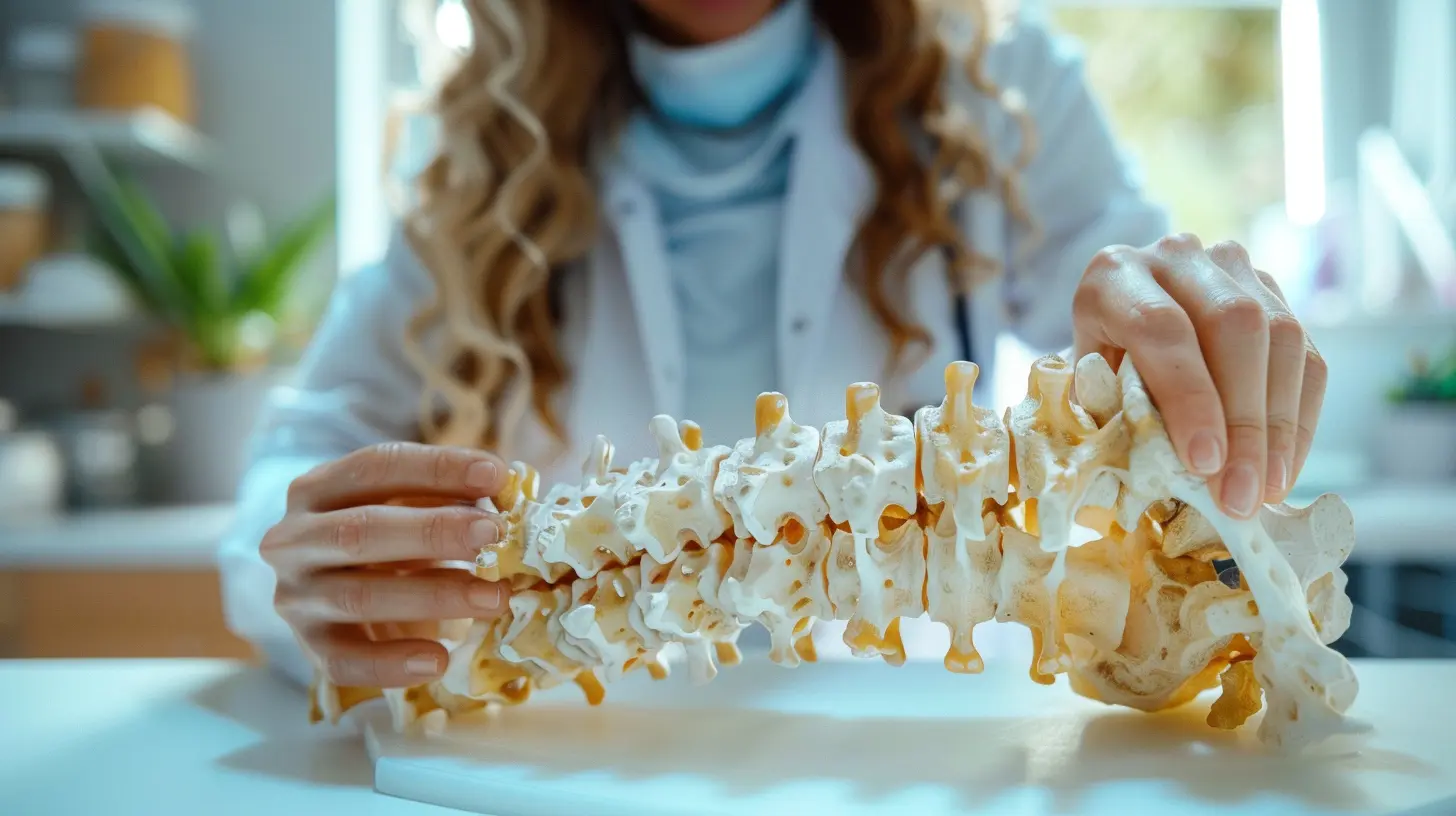
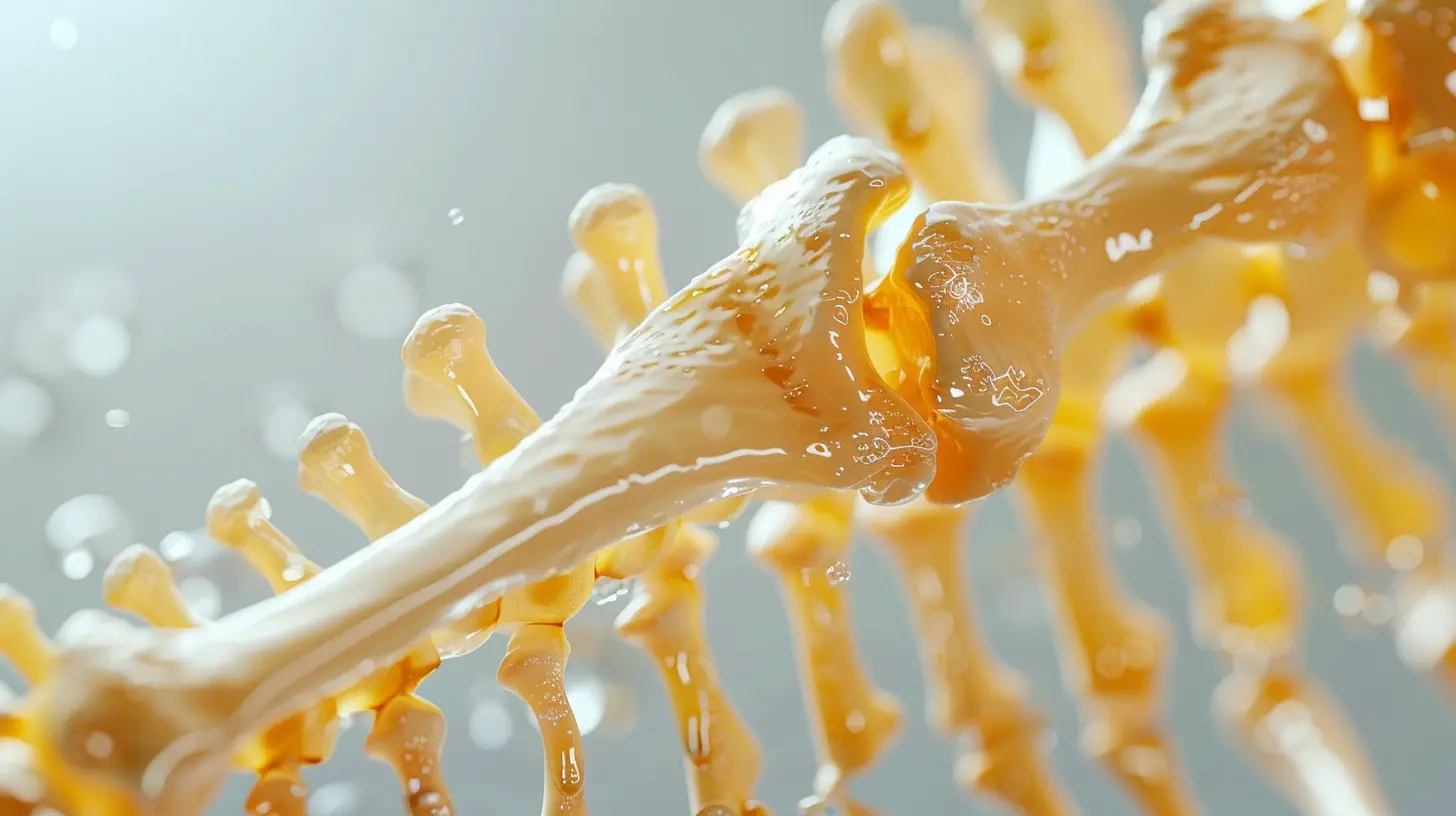
Your bones might seem solid and unchanging, but they’re actually living tissues that are constantly breaking down and rebuilding. During childhood and early adulthood, your body builds bone mass at a fast pace. However, by the time you reach your 30s, that process slows down. And as you move through your 40s, bone breakdown starts to outpace bone formation.That’s why these decades are critical. If you don’t take care of your bones now, they’ll become weaker over time, increasing your risk of fractures and osteoporosis later in life.
Consequences of Poor Bone Health
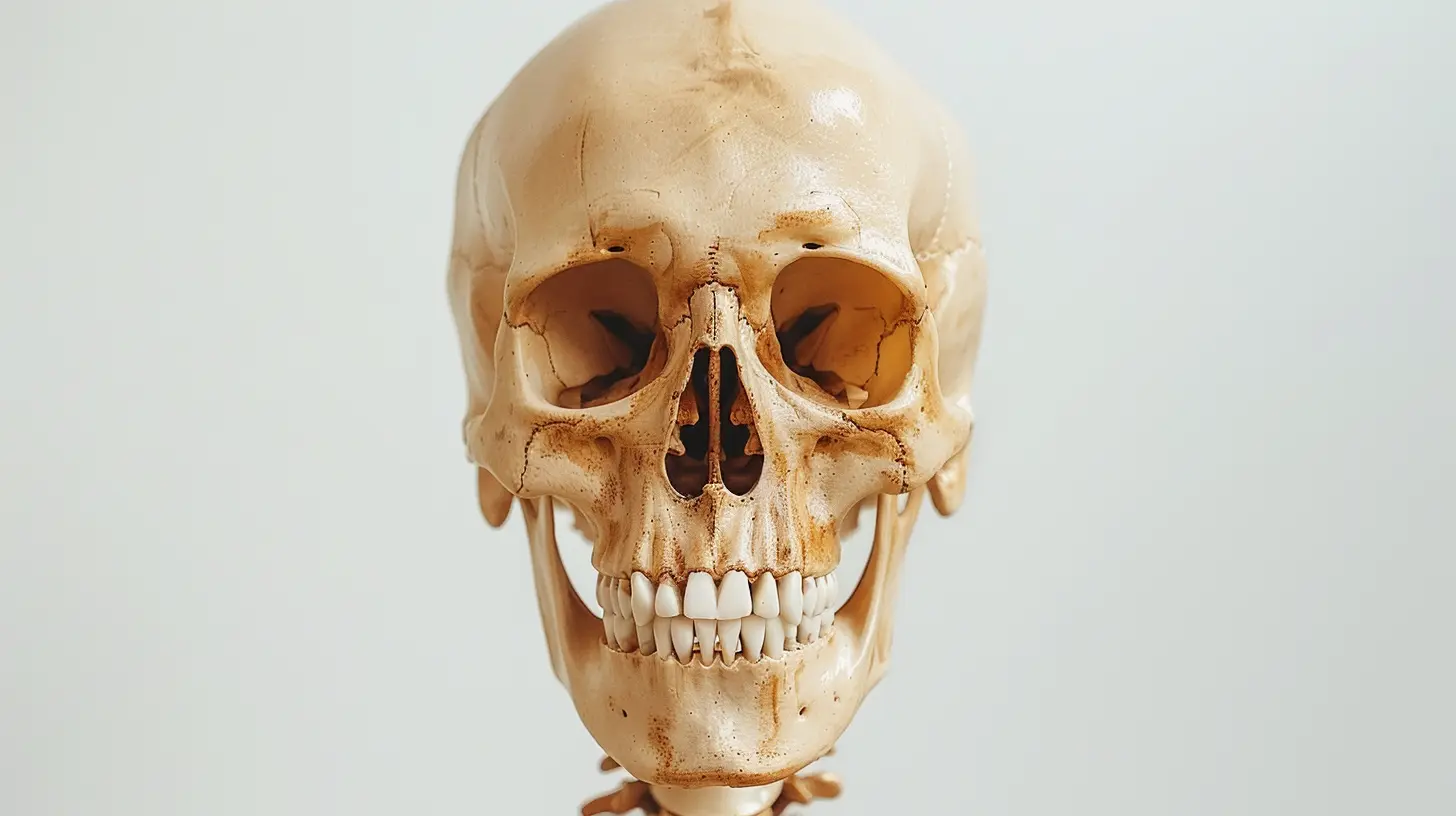
Ignoring bone health can lead to serious problems as you age:- Osteoporosis: A condition where bones become weak and brittle, making them more prone to fractures.
- Fractures: Weakened bones mean greater chances of breaking a hip, wrist, or spine from minor falls.
- Chronic Pain: Poor bone health can contribute to back pain and joint issues.
- Posture Problems: Weak bones can lead to poor posture, increasing the risk of a hunched back (kyphosis) in old age.
The good news? It’s never too late to start strengthening your bones.
How to Keep Your Bones Strong and Healthy
Bone health is all about making smart lifestyle choices. Let’s break down the key factors that can help you build and maintain strong bones well into your later years.1. Get Enough Calcium
Calcium is the building block of strong bones. If you don’t get enough, your body will start pulling calcium from your bones, making them weaker over time.Best Sources of Calcium:
- Dairy Products: Milk, cheese, and yogurt- Leafy Greens: Kale, spinach, and collard greens
- Nuts and Seeds: Almonds, chia seeds, and sesame seeds
- Fortified Foods: Some plant-based milks, cereals, and orange juice contain added calcium
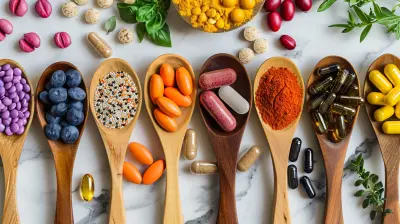
If you struggle to get enough calcium from food, supplements can help—but always consult your doctor first.
2. Boost Your Vitamin D Intake
Think of vitamin D as calcium’s best friend. It helps your body absorb calcium effectively. Without enough vitamin D, even a calcium-rich diet might not be enough.How to Get More Vitamin D:
- Sunlight: Spending 15-30 minutes in direct sunlight a few times a week can boost your vitamin D levels.- Fatty Fish: Salmon, tuna, and mackerel are great sources.
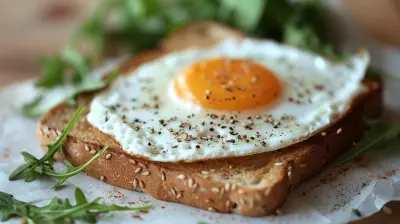
- Egg Yolks and Dairy: These provide moderate amounts of vitamin D.
- Supplements: If you’re not getting enough from food and sunlight, a vitamin D supplement might be necessary.
3. Prioritize Strength Training and Weight-Bearing Exercise
Bones get stronger when you challenge them. If you live a sedentary lifestyle, your bones don’t get the stimulation they need to stay dense and strong.Best Exercises for Bone Health:
- Weightlifting: Lifting weights helps stimulate bone formation.- Bodyweight Exercises: Squats, push-ups, and lunges help maintain bone strength.
- Walking or Jogging: These put healthy stress on your bones, strengthening them over time.
- Yoga and Pilates: Great for improving balance and flexibility, reducing the risk of falls and fractures.
4. Cut Back on Bone-Damaging Habits
Certain lifestyle choices can weaken your bones, even if you eat well and exercise.- Too Much Alcohol: Excess alcohol interferes with calcium absorption and can weaken bones over time.
- Smoking: Smoking reduces bone density and slows down the body’s ability to heal fractures.
- Excessive Caffeine: High caffeine intake can lead to calcium loss through urine. Stick to moderate amounts.
5. Maintain a Healthy Weight
Being underweight can increase your risk of bone loss, while being overweight can put excess stress on your joints and bones. Strive for a balanced diet and maintain a healthy weight to keep your bones in optimal condition.6. Eat More Bone-Friendly Nutrients
Calcium and vitamin D are crucial, but they’re not the only nutrients that matter for bone health.- Magnesium: Helps convert vitamin D into its active form. Found in nuts, seeds, and whole grains.
- Vitamin K: Supports bone mineralization. Found in leafy greens like kale and spinach.
- Protein: Essential for bone structure. Get it from lean meats, beans, and dairy products.
- Omega-3 Fatty Acids: Have anti-inflammatory effects that support bone health. Found in fatty fish, flaxseeds, and walnuts.
7. Keep an Eye on Bone Density
By the time you hit your 40s, it’s a good idea to get your bone density checked, especially if you have risk factors for osteoporosis (such as a family history, certain medical conditions, or long-term steroid use). A bone density test (DEXA scan) can give you valuable insights into your bone health and help you take action if needed.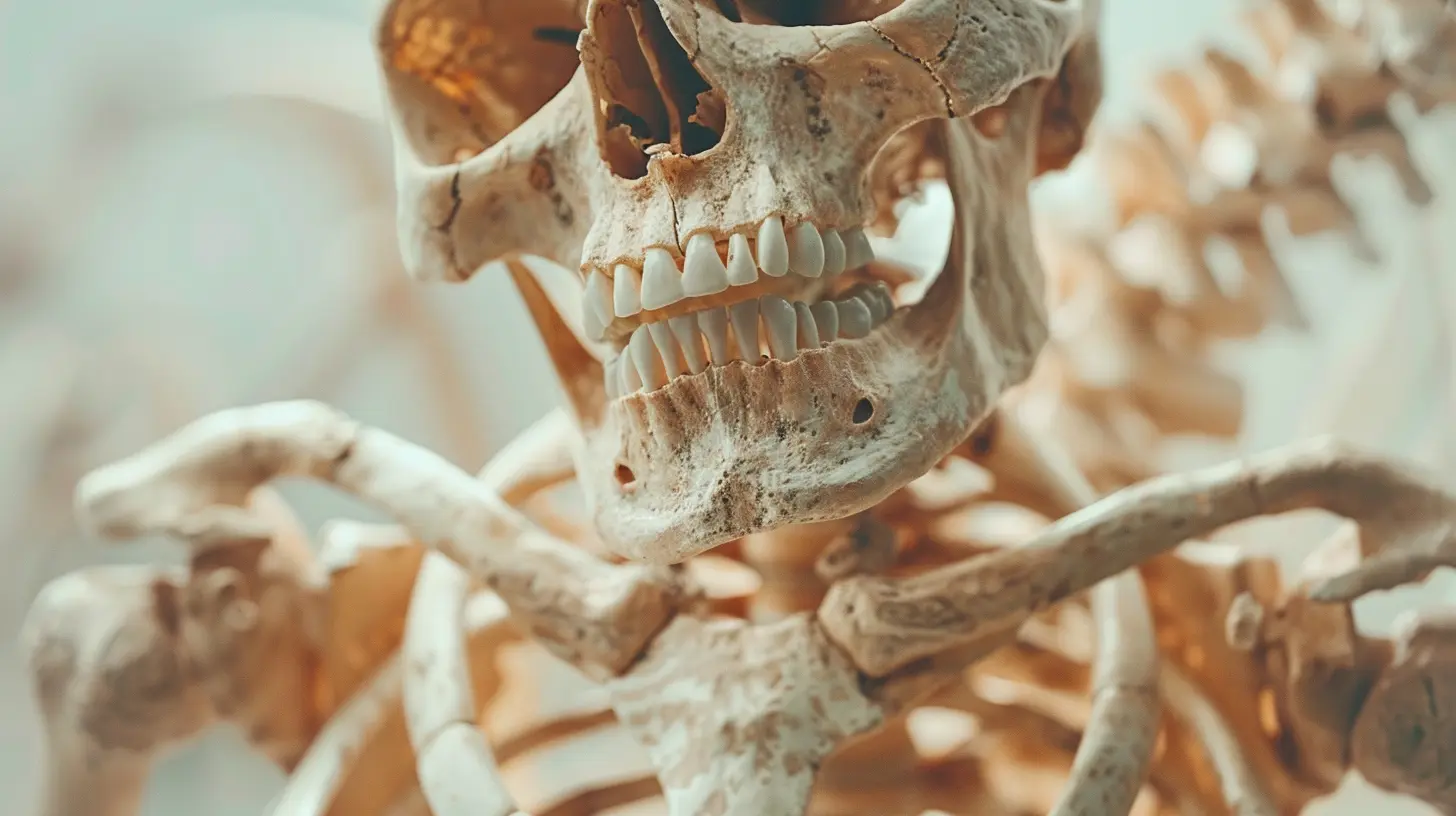
The Bottom Line
Your 30s and 40s are the perfect time to invest in your bone health. A few small lifestyle changes—like eating a calcium-rich diet, getting enough vitamin D, exercising regularly, and avoiding bone-damaging habits—can go a long way in keeping your bones strong for life.Think of it this way: your bones are literally holding you up every single day. The least you can do is return the favor by taking good care of them!
all images in this post were generated using AI tools
Category:
Healthy BonesAuthor:

Laura Hudson
Discussion
rate this article
1 comments
Zealot Cantu
Taking care of your bones in your 30s and 40s is crucial. Regular exercise, a balanced diet rich in calcium and vitamin D, and routine check-ups can help prevent issues later. Prioritizing bone health now sets the foundation for a stronger future.
July 7, 2026 at 3:50 PM
Laura Hudson
Absolutely, investing in bone health now pays off down the line. Small changes can make a big difference!