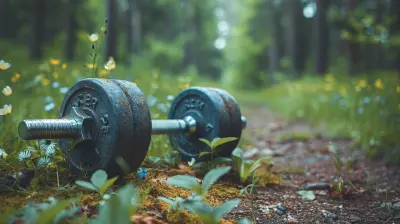
Why Exercising in Nature Can Have Profound Effects on Your Heart
23 March 2026
When it comes to staying fit and keeping your heart healthy, exercise is a no-brainer. But did you know that where you exercise can make a huge difference? Sweating it out in the gym is great, but stepping outside into the fresh air to get your body moving can do wonders for your heart.
Exercising in nature isn't just about burning calories or toning muscles—it’s about nourishing your heart and mind. The combination of fresh air, natural scenery, and movement creates a powerful synergy that boosts heart health in ways an indoor workout simply can’t match. Let’s dig into why exercising in nature is a heart-healthy choice you won’t want to miss.

1. Nature Reduces Stress, Which Helps Your Heart
Stress isn’t just bad for your mood—it’s a silent killer when it comes to heart health. Chronic stress increases cortisol levels, which can lead to high blood pressure, inflammation, and an increased risk of heart disease.But here’s the good news: nature is a natural stress reliever. Studies show that spending time outdoors can lower cortisol levels, reduce anxiety, and promote relaxation. When you exercise outside, you're not just moving your body—you’re also calming your mind. Whether it’s jogging through a quiet park or hiking a scenic trail, outdoor workouts help to lower stress hormones and reduce strain on your heart.

2. More Oxygen, Better Circulation
Ever notice how refreshing it feels to take a deep breath of fresh air? That’s because natural environments generally have better air quality than indoor spaces. Indoor gyms often have recycled air filled with dust, chemical cleaners, and even airborne bacteria.When you exercise outside, you’re inhaling clean, oxygen-rich air, which improves oxygen circulation in your body. More oxygen means better blood flow, lower blood pressure, and improved heart function. Your heart doesn’t have to work as hard, and that can lower your risk of heart disease over time.

3. Natural Terrain Challenges Your Heart More
Outdoor workouts are rarely predictable. You might go from a steep hill to a downhill sprint, from soft grass to a rocky path. This constant variation challenges your muscles and cardiovascular system in ways that a treadmill or stationary bike simply can’t.When you're tackling uneven terrain, your heart has to adjust to different levels of exertion, which boosts heart rate variability (HRV). HRV is a marker of heart health—higher variability means a stronger, more resilient heart. So whether you’re hiking, biking, or jogging, nature’s playground naturally pushes your heart to get stronger.

4. Spending Time in Green Spaces Lowers Blood Pressure
Did you know that people who spend more time in green spaces tend to have lower blood pressure? It's not just a coincidence. Research links exposure to nature with reduced hypertension, which is a major risk factor for heart disease.Walking in a forest, by a lake, or even in a city park reduces blood pressure and promotes relaxation. The combination of movement, fresh air, and natural beauty helps dilate blood vessels, allowing blood to flow more easily—taking pressure off your heart and arteries.
5. Sunshine Boosts Your Heart-Healthy Vitamin D Levels
Vitamin D plays a crucial role in regulating blood pressure, reducing inflammation, and supporting overall cardiovascular health. Unfortunately, many people are deficient in Vitamin D due to spending too much time indoors.Exercising in nature means more exposure to sunlight, which helps your body naturally produce vitamin D. Just 20-30 minutes of sunlight a few times a week can be enough to support your heart health. Of course, don’t forget the sunscreen—but soaking up some natural rays is one of the simplest ways to keep your heart strong.
6. Nature Encourages Longer and More Enjoyable Workouts
Let’s be honest—staring at four walls while running on a treadmill can get boring fast. On the other hand, when you're outside, there’s always something new to see, hear, and experience.The beauty of nature acts as a natural motivator, making you more likely to stick to your workout. Whether it’s the sound of birds chirping, the scent of fresh grass, or the sight of a beautiful sunset, nature provides endless mental stimulation that keeps you going. And the more you enjoy your exercise, the more likely you are to make it a habit, leading to long-term heart benefits.
7. Outdoor Social Activities Can Strengthen Your Heart
Exercising outdoors often means you’re more likely to engage in social activities—think group hikes, outdoor yoga, or a casual game of soccer in the park.Social connection is surprisingly important for heart health. Studies have shown that people with strong social ties have lower risks of heart disease, lower blood pressure, and even longer lifespans. So when you combine exercise with social interaction in a natural setting, your heart reaps double the benefits!
8. Nature Helps You Sleep Better, Aiding Heart Recovery
A good night’s sleep is one of the most underrated factors in heart health. Poor sleep can lead to increased stress, high blood pressure, and a higher risk of heart attacks.Spending time outdoors—especially in the morning or afternoon—helps regulate your body’s natural sleep-wake cycle (circadian rhythm). Sunlight exposure signals your body when to be alert and when to wind down. As a result, outdoor exercisers often sleep better, giving their hearts the time they need to rest and recover.
9. Forest Bathing: The Heart-Boosting Power of Trees
Ever heard of “forest bathing”? It’s a Japanese practice called Shinrin-yoku, which means immersing yourself in a forest environment. And guess what? It has serious benefits for your heart.Trees release organic compounds called phytoncides, which have been shown to lower blood pressure, reduce heart rate, and decrease stress hormones. Even just 30 minutes of walking in a wooded area can lead to long-lasting cardiovascular benefits.
10. Cold Air Workouts Can Strengthen Your Heart
If you think outdoor exercise is only for warm weather, think again! Cold-weather workouts—like brisk winter walks or snowshoeing—actually help strengthen your cardiovascular system.Exercising in cooler temperatures forces your heart to work more efficiently, pumping blood to keep you warm and energized. Plus, cold air can help improve lung function and endurance, making it even more beneficial for your heart. Just make sure to dress appropriately and stay hydrated.
Final Thoughts
Your heart is one of the most important organs in your body, and taking care of it should be a top priority. While hitting the gym is always an option, stepping outside to exercise offers unique and powerful benefits that an indoor workout simply can’t provide.From reducing stress and lowering blood pressure to improving oxygen circulation and boosting Vitamin D, nature is a natural medicine for your heart. So next time you’re thinking about exercising, lace up your shoes, step outside, and let the great outdoors do its magic on your heart. Your body—and your mind—will thank you for it.
all images in this post were generated using AI tools
Category:
Outdoor WorkoutsAuthor:

Laura Hudson
Discussion
rate this article
2 comments
Hugo Clayton
Embrace the great outdoors! Exercising in nature not only strengthens your body but also nourishes your heart and soul. Feel rejuvenated!
April 4, 2026 at 5:01 AM
Laura Hudson
Thank you! I completely agree—nature truly enhances both our physical and emotional well-being.
Elle Baxter
Exercising in nature not only boosts cardiovascular health by lowering blood pressure and reducing stress, but also enhances mood and motivation. These combined effects contribute significantly to overall heart health and well-being.
March 24, 2026 at 3:37 AM
Laura Hudson
Thank you for highlighting these key benefits! Exercising in nature truly nurtures both physical and mental well-being, making it essential for heart health.