When Local News Fades, Public Health Suffers: The Hidden Crisis in Our Communities
April 24, 2026 - 08:42
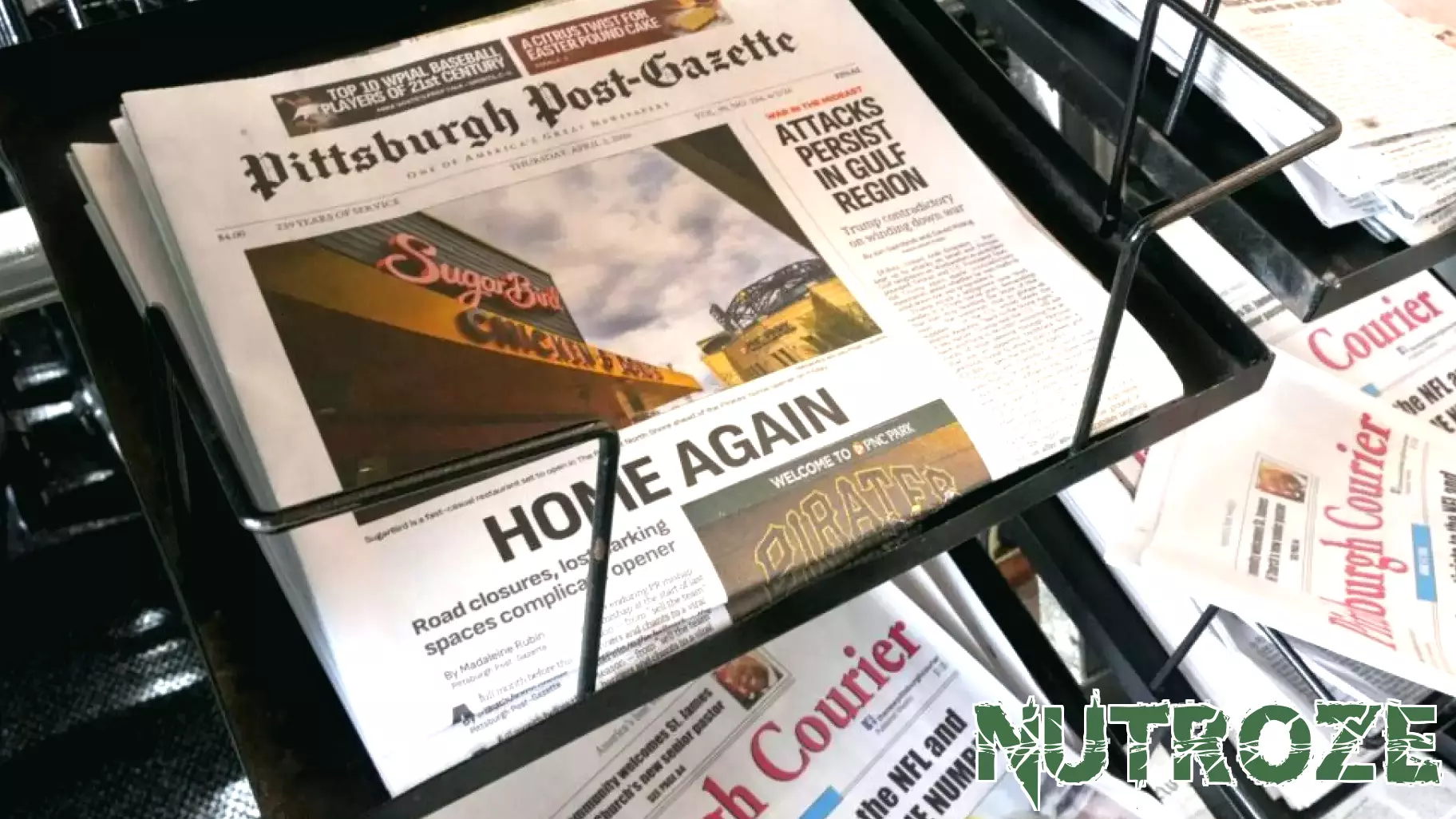
Health and science reporting is frequently dismissed as a luxury—a nice-to-have addition to a newsroom’s budget, easily cut when finances tighten. But a growing body of evidence reveals that this perspective is dangerously shortsighted. The decline of local journalism is not merely a cultural or democratic concern; it is a direct and measurable threat to public health.
Across the United States, communities that lose their local newspapers see a measurable drop in health outcomes. Without dedicated reporters covering hospital board meetings, disease outbreaks, or environmental hazards, residents lose a vital early-warning system. When a water supply is contaminated, when a factory releases toxic emissions, or when a new virus begins circulating, it is often local journalists who first sound the alarm. Without them, these threats go unnoticed until they become crises.
The problem is compounded by the loss of science and medical beat reporters. These specialists translate complex research into actionable information, helping people make informed decisions about vaccinations, medications, and preventive care. When they disappear, misinformation fills the void. Studies have linked the closure of local newspapers to increased rates of preventable hospitalizations and even higher mortality from conditions like heart disease and diabetes.
This is not an abstract issue. It is a reality for millions of Americans living in news deserts—areas with little to no local news coverage. In these communities, public health agencies struggle to communicate urgent warnings, and residents lack the trusted sources needed to separate fact from fiction. The result is a population more vulnerable to disease, less likely to seek timely care, and more susceptible to dangerous health fads.
Treating health and science reporting as optional coverage is a policy failure with life-or-death consequences. Restoring local journalism is not just about saving newspapers; it is about saving lives.
MORE NEWS
July 23, 2026 - 03:53
Reducing muscle protein activity strengthens bone health, study suggestsA recent study has found that reducing the activity of a specific muscle protein may actually help strengthen bones, offering a potential new path for treating brittle bone disease. The research...
July 22, 2026 - 01:53
UNC Center for Environmental Health and Susceptibility receives $7.7M from NIEHS - UNC Gillings School of Global Public HealthJuly 21, 2026 The Center for Environmental Health and Susceptibility (CEHS) at the University of North Carolina has secured a five-year, $7.7 million award from the National Institute of...

July 21, 2026 - 01:34
WVU Health leadership failed to address painkiller thefts as opioids devastated West VirginiaWest Virginia University Health Systems has agreed to a federal settlement after years of failing to report and prevent painkiller thefts by its own employees. The case reveals a pattern of...
July 20, 2026 - 00:03
The Norfolk Department of Public Health launches new Front Door platformNORFOLK, Va. - The Norfolk Department of Public Health has introduced a new free platform called Front Door, aimed at helping uninsured adults in the southern part of Hampton Roads access medical...